

Major Energy Rebate Programs Available to Californians
California is currently a powerhouse for energy efficiency incentives, thanks to a combination of state initiatives and federal funding from the Inflation Reduction Act (IRA). Understanding how to apply for energy rebates in California starts with knowing which bucket of money you are dipping into.
The most talked-about program is HEEHRA (Home Electrification and Appliance Rebates). California was awarded $290 million for this program specifically to help low-to-moderate income households switch to electric appliances. Close behind is the HOMES program, which received $291 million to focus on whole-home energy performance.
While HEEHRA is about specific “stuff”—like a new heat pump—the HOMES program is about “results,” rewarding you for how much total energy your home saves. We also have TECH Clean California, a statewide initiative that makes these rebates accessible by training contractors and managing the incentive distribution.
For smaller, quicker wins, Golden State Rebates offers instant coupons for products like smart thermostats. If you are looking into Energy Efficient Thermostat Installation, these instant savings can often be applied right at the point of sale.
| Feature | HEEHRA Program | HOMES Program |
|---|---|---|
| Focus | Point-of-sale appliance rebates | Whole-home energy savings |
| Income Limit | Under 150% Area Median Income (AMI) | Open to all (larger rebates for LMI) |
| Best For | Replacing a specific HVAC or Water Heater | Major renovations and insulation |
| Verification | Income-based upfront qualification | Modeled or measured energy savings |
How to apply for energy rebates in California through TECH Clean California
TECH Clean California is the “engine” behind many of these rebates. To access HEEHRA funds, you must work through this system. The process focuses heavily on heat pump technology, which can reduce electricity use by up to 75% compared to old-school electric resistance heating.
The golden rule here is that you cannot do this alone as a DIY project. To qualify, you must use a TECH-certified contractor. These professionals have undergone specific training to ensure your new system is sized correctly and installed to high-efficiency standards. This is also the best time to consider WiFi Thermostats & Home Automation to ensure your new, efficient HVAC system is running only when you actually need it.
Utility-specific incentives from PG&E, SCE, and SDG&E
Beyond the big state and federal programs, your local utility provider likely has its own “stash” of cash. In our service areas across San Diego and Orange County, SDG&E and SCE offer various perks:
- EV Chargers: Income-eligible households can find rebates up to $5,000 for home charging equipment.
- Battery Storage: Programs like the Self-Generation Incentive Program (SGIP) provide rebates for adding battery backup to your solar system.
- Golden State Rebates: These are funded by utility customers and provide instant “point-of-sale” coupons for energy-efficient appliances through participating retailers.
Eligibility: Income Thresholds and Property Types
Eligibility for the biggest rebates in California is largely determined by your Area Median Income (AMI). This isn’t a single number for the whole state; it varies by county. For example, what counts as “moderate income” in Carlsbad or Solana Beach might be different than in other parts of the state.
- Low Income (<80% AMI): These households qualify for the highest rebates, sometimes covering 100% of the project cost up to specific caps (like $8,000 for a heat pump).
- Moderate Income (80% – 150% AMI): These households qualify for significant partial rebates, often up to $4,000 for heat pump HVAC systems.
- Above 150% AMI: While you may not qualify for HEEHRA, you are still eligible for federal tax credits and certain utility-specific rebates.
Property type also matters. Single-family homes, condos, and manufactured homes are all eligible. For those managing multifamily properties, rebates can reach up to $14,000 per unit for comprehensive electrical and HVAC upgrades.
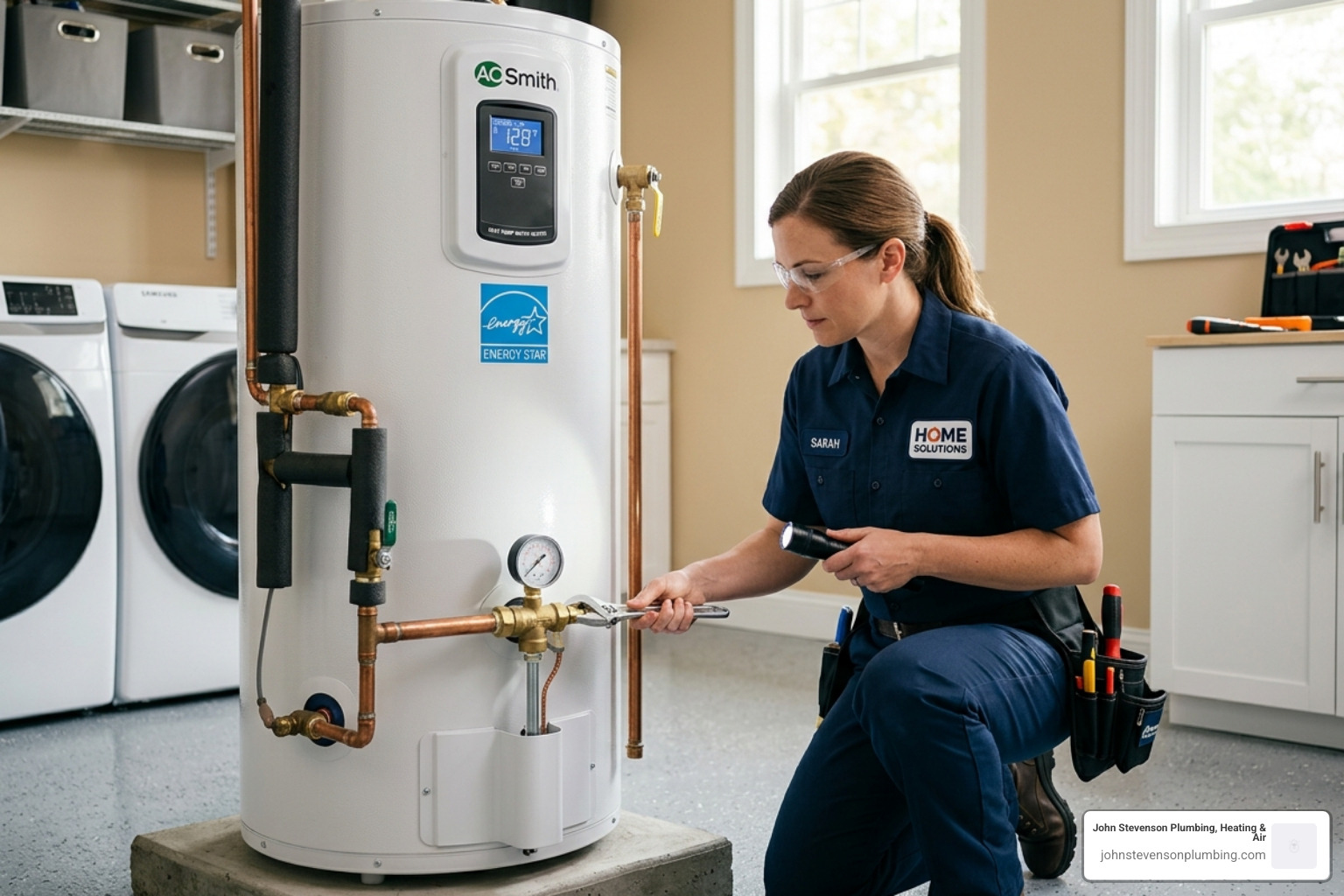
To keep your new high-efficiency systems running perfectly after installation, many of our customers join the Complete Comfort Club to stay ahead of maintenance and ensure they continue to meet the efficiency standards required by these programs.
Qualifying upgrades for California homeowners
Not every “new” appliance qualifies. To get the money, the equipment usually needs to be ENERGY STAR certified and meet specific performance tiers. Common qualifying upgrades include:
- Heat Pump HVACs: Replacing gas furnaces or old AC units.
- Heat Pump Water Heaters: A massive energy saver for California homes.
- Electrical Panels: If your home needs a “heavy up” to 200 amps to handle new electric appliances, there are rebates specifically for the panel and wiring.
- Weatherization: Insulation and air sealing that keep your conditioned air inside.
Step-by-Step: How to Apply for Energy Rebates in California
If you want to navigate this process like a pro, you have to follow the sequence. Jumping the gun and buying equipment before verification is the fastest way to lose out on thousands of dollars.
- Income Verification: Start at the HEEHRA Eligibility Express portal. You will need to provide documentation to prove your AMI bracket. Once verified, you get a qualification code.
- Find a HEEHRA-Trained Contractor: Use the “Switch Is On” finder. Look for the specific HEEHRA badge. Only these contractors can “reserve” the funds for you in the state’s system.
- The Quote and Reservation: Your contractor will look at your home and provide a quote. They then submit a “reservation request” using your qualification code. This “locks in” the money for your project for a set period.
- Installation: Once the reservation is approved, the work begins.
- Redemption: After the job is done and inspected, the contractor submits the final paperwork, and the rebate is applied (often as an instant discount on your invoice).
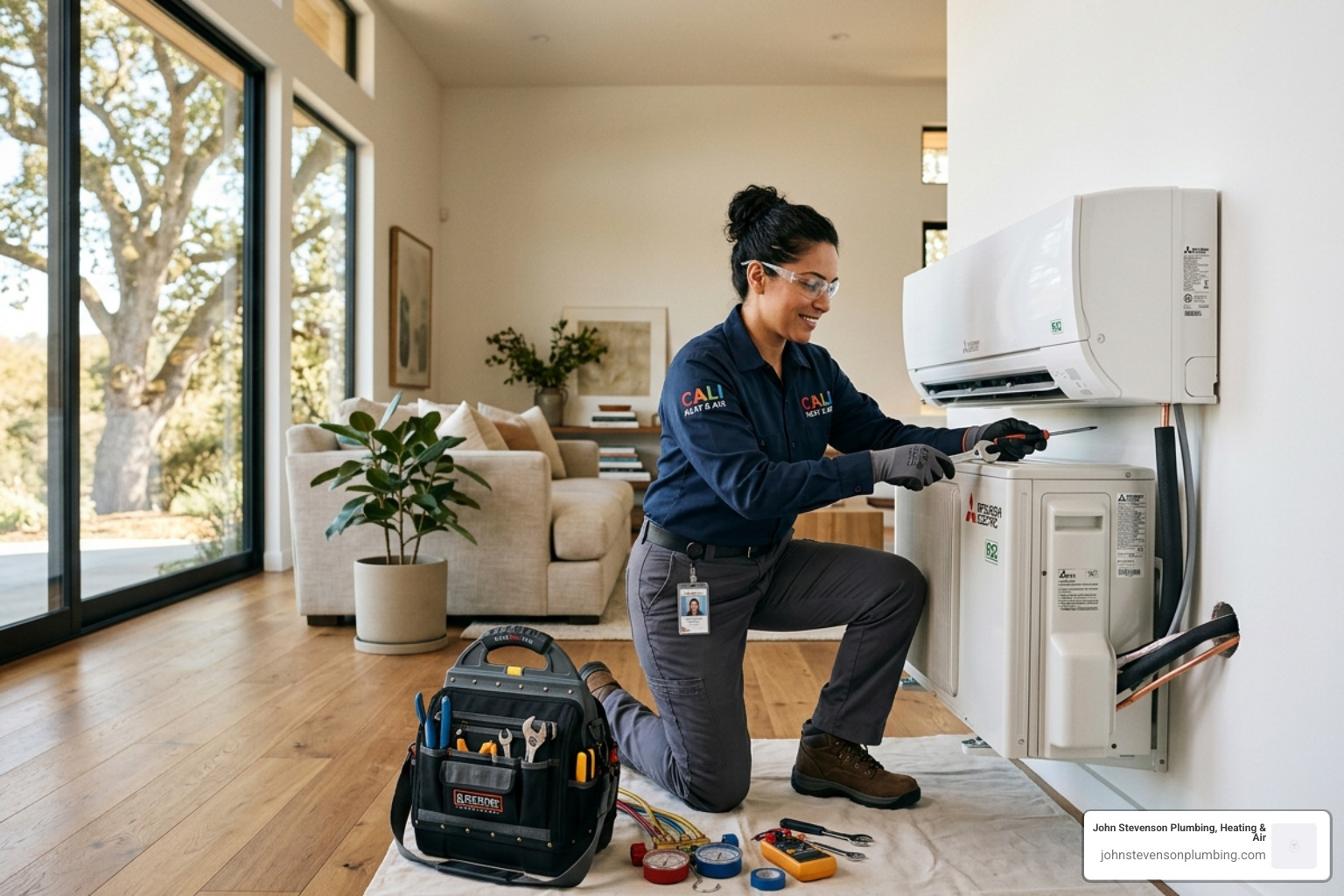
While we don’t discuss specific labor rates here, you can find helpful context on general AC Installation Costs to help you budget for the portion of the project not covered by rebates.
Documentation needed for how to apply for energy rebates in California
Don’t get caught at the finish line without your paperwork. You will generally need:
- Tax Forms: Your most recent 1040, W-2s, or 1099s to verify income.
- Utility Bills: To prove you are a customer of the utility (like SDG&E) through which you are claiming incentives.
- Proof of Residence: A driver’s license or property tax bill.
Reserving your rebate funds
In California, rebate funds are often “first-come, first-served.” For example, HEEHRA Phase I single-family funds were fully reserved by early 2026. This means that even if you are eligible, if the “bucket” is empty, you go on a waitlist. Always check the TECH Clean California Budget Report before signing a contract to see if funds are currently available in your area.
Maximizing Savings with Stackable Incentives and Tax Credits
The real “pro move” is stacking. You aren’t limited to just one rebate. You can often combine a state rebate, a utility incentive, and a federal tax credit.
Federal Tax Credits (The 25C Credit): Under the Inflation Reduction Act, you can claim 30% of the cost of energy-efficient upgrades, up to $2,000 per year for heat pumps. You claim this when you file your taxes using IRS Form 5695. Unlike rebates, which are often instant, this is a credit that reduces the amount of tax you owe.
GoGreen Home Loans: If the upfront cost is still a hurdle, California offers GoGreen Home financing. These are zero-fee, lower-interest loans designed specifically for energy efficiency projects, and they are available to a wide range of credit scores.
Combining utility rebates with state programs
Many homeowners in places like Oceanside or Vista find they can “triple dip.” For example:
- HEEHRA Rebate: For the heat pump unit itself.
- SDG&E Incentive: For smart thermostat integration.
- Federal Tax Credit: For the remaining out-of-pocket costs.
Some programs, like Golden State Rebates, offer instant coupons for items like heat pump water heaters that can be used alongside these larger programs. Always ask your contractor to check for “stackability” before they finalize your reservation.
Frequently Asked Questions about California Energy Rebates
What is the current status of HEEHRA Phase I funds for 2026?
As of February 24, 2026, the single-family portion of HEEHRA Phase I is fully reserved. This means the state has enough applications to account for all the money currently in that specific pot. However, Phase II is under development, and multifamily rebates may still have different availability. If you apply now, you will likely be placed on a waitlist.
How do I find a TECH Clean California-certified contractor?
The most reliable way is through the Switch Is On website. You can filter by zip code and look for the “HEEHRA” badge next to the contractor’s name. This badge confirms they have completed the required training to handle the federal rebate paperwork.
How can I avoid common energy rebate scams?
Scammers often target homeowners by promising “free” appliances or asking for your social security number over the phone to “check eligibility.”
- Never share financial statements or tax returns with a contractor directly; use the official state portals for income verification.
- Avoid “door-to-door” rebate offers. Official programs require you to seek out a certified contractor.
- Verify the badge. Always check the contractor’s credentials on the official TECH Clean California portal before signing anything.
Conclusion
Learning how to apply for energy rebates in California is an investment of time that pays off in long-term comfort and lower utility bills. Whether you are in Carlsbad, San Marcos, or Irvine, the path to a more efficient home is paved with these incentives.
At John Stevenson Plumbing, Heating & Air, we are dedicated to helping our neighbors navigate these complex transitions. From high-efficiency HVAC installations to water heater upgrades, our 5-Star Service Guarantee ensures the job is done right the first time. We also offer Charlie’s Care Club to provide ongoing support and peace of mind for your home’s most vital systems.
Ready to make your home more efficient? Contact our experts for energy-efficient home upgrades and let’s see which rebates can work for you!