
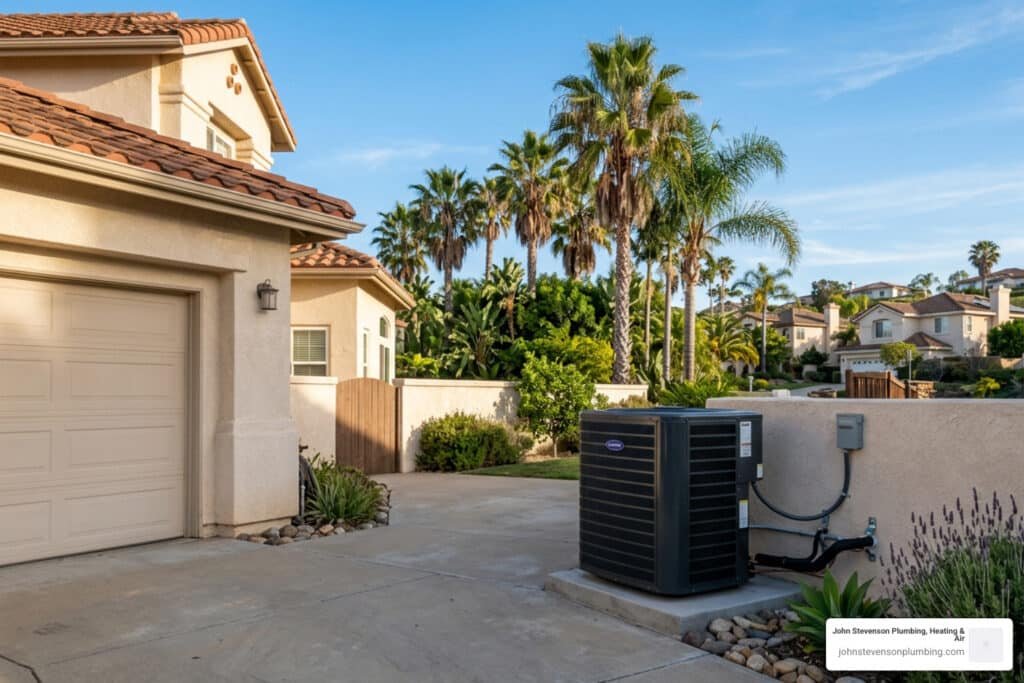
Why is heat pump installation in Escondido CA the ideal year-round solution?
When we talk about heat pump installation in Escondido CA, we are talking about a revolution in home comfort. Unlike a traditional furnace that burns gas to create heat, or an air conditioner that uses a massive amount of energy to “create” cold, Heat Pumps are masters of relocation. They simply move heat from one place to another.
In the summer, the system pulls heat out of your home and dumps it outside. In the winter, it finds ambient heat in the outdoor air (yes, even when it feels chilly to us!) and pumps it into your living room. Because Escondido enjoys such moderate temperatures, the system doesn’t have to “struggle” to find heat or fight against sub-zero blizzards. This makes San Diego HVAC Services involving heat pumps incredibly efficient. By transferring heat rather than generating it, these systems can provide up to three times more heat energy than the electrical energy they consume.
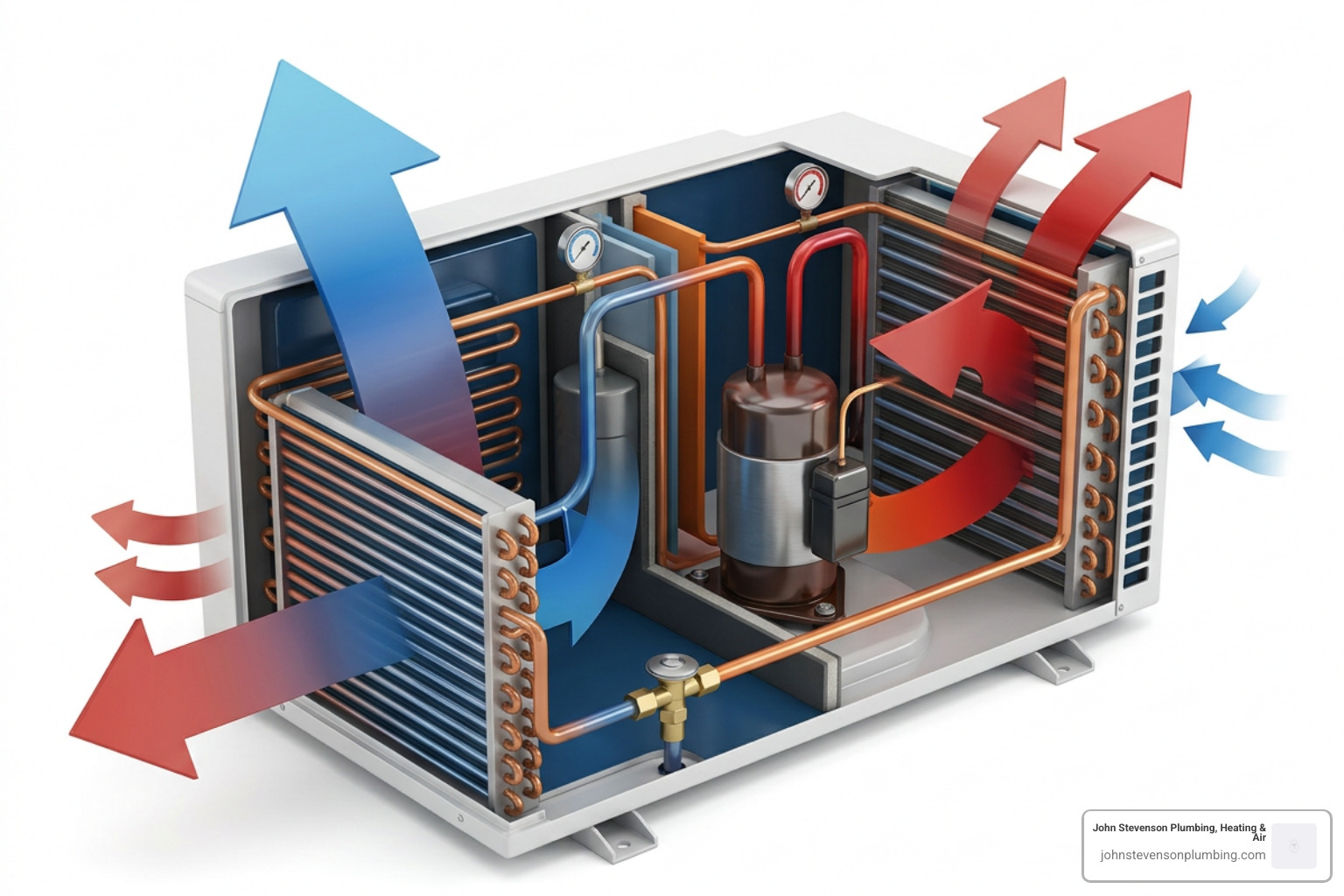
Choosing the right unit for your heat pump installation in Escondido CA
Not all heat pumps are created equal. When we help you select a system, we look at two primary efficiency ratings: SEER2 and HSPF2.
- SEER2 (Seasonal Energy Efficiency Ratio): This measures how efficiently the unit cools your home during the summer. The higher the number, the less electricity it uses to keep you frosty when the Escondido sun is beating down.
- HSPF2 (Heating Seasonal Performance Factor): This measures heating efficiency. Since we live in a region where we use both heating and cooling, finding a balance between these two numbers is key to long-term savings.
| Rating Type | What it Measures | Why it Matters in Escondido |
|---|---|---|
| SEER2 | Cooling Efficiency | Vital for those humid July and August afternoons. |
| HSPF2 | Heating Efficiency | Keeps those December nights cozy without a huge bill. |
Beyond ratings, “sizing” is the most critical part of Heat Pump Installation. If a unit is too small, it will run constantly and never get the house comfortable. If it’s too large, it will “short cycle,” turning on and off so fast that it never properly dehumidifies the air. We perform a detailed load calculation to ensure your new system fits your home like a glove.
What are the different types of systems available for local properties?
Every home in Escondido CA is unique, which is why there isn’t a “one-size-fits-all” heat pump. Depending on your property’s layout and your existing infrastructure, we might recommend one of several types:
- Air-Source Heat Pumps: These are the most common. They look similar to a standard AC condenser and use the outside air as the heat source or heat sink. They are versatile, reliable, and perfect for our local climate.
- Hybrid Dual-Fuel Systems: These combine an electric heat pump with a gas furnace. In extremely rare instances where temperatures drop significantly, the system automatically switches to gas. It’s the “best of both worlds” for those who want a backup plan.
- Geothermal (Ground-Source): These units tap into the stable temperatures underground. While they have a higher initial setup complexity, they are incredibly efficient and can last 20 to 25 years.
- Water-Source: If your property is near a suitable body of water, these systems use the water’s temperature to regulate your home. They are highly efficient but limited by geography.
Whether you are looking for Heat Pumps or specialized Heat Pumps for a larger estate, understanding these options helps you make an informed choice for your family’s future comfort.
Is a ductless heat pump installation in Escondido CA right for you?
If you live in an older Escondido home that doesn’t have existing ductwork, or if you’ve added a new room or “granny flat,” a ductless mini-split might be your best friend. These systems offer “zoned comfort,” meaning you can control the temperature in each room individually.
Because they don’t lose energy through leaky ducts, they are often the most efficient HVAC Services option available. Their compact design makes them unobtrusive, and they can be mounted high on a wall or even recessed into a ceiling.
How does the professional installation process actually work?
We believe in transparency, so we want you to know exactly what happens when our team arrives for a heat pump installation in Escondido CA. We don’t just “swap boxes.” We follow a rigorous 360-degree approach:
- Comprehensive Home Assessment: We don’t guess. We measure your square footage, check your insulation levels, and count your windows to perform a precise load calculation.
- Ductwork Inspection: Before we install a high-efficiency Heating Installation, we ensure your “delivery system” (the ducts) is up to the task. Leaky ducts can waste 30% of your system’s output.
- Preparation and Layout: We protect your home with drop cloths and carefully plan the placement of the indoor and outdoor units for maximum airflow and minimum noise.
- The “Heavy Lifting”: We install the outdoor condenser, the indoor air handler, and the refrigerant lines that connect them.
- Electrical and Controls: Our certified techs handle the high-voltage connections and install your new smart thermostat.
- System Calibration & Testing: This is where the magic happens. We charge the refrigerant to the exact ounce and test the airflow to ensure the system is running at peak factory specifications.
- Final Walkthrough: We won’t leave until you know how to use your new system and we’ve answered every single question.
What to expect during your heat pump installation in Escondido CA
Most standard installations take between one and three days. We arrive punctually with a fully stocked fleet, so we aren’t constantly running back to the shop for parts. During the process, there will be some noise as we secure mounting brackets and run lines, but we strive to keep the disruption to a minimum. Once the Heat Pump Installation is complete, we perform a rigorous performance test to confirm everything is optimized for the specific layout of your home.
When is it time to stop repairing and start replacing my old unit?
It’s a common dilemma: do you pay for one more Heating Repair, or do you invest in a replacement? While we are experts at fixing systems, there comes a point where “throwing good money after bad” doesn’t make sense.
Keep an eye out for these telltale signs that it’s time to upgrade:
- The 10-15 Year Mark: Most heat pumps have a lifespan of 10 to 15 years. If your unit was built in the 80s or 90s, it’s likely running at a fraction of the efficiency of a modern model.
- Frequent Breakdowns: If you have our number on speed dial because the system fails every other month, the cumulative cost of repairs will soon exceed the cost of a new unit.
- Strange Noises or Smells: Grinding, squealing, or burning odors are signs of major component failure, such as a dying compressor or motor.
- Ice Buildup: While a little frost is normal in winter, heavy ice buildup often indicates a refrigerant leak or a failed defrost timer.
- Safety Hazards: Older gas-hybrid systems can develop cracks in the heat exchanger, posing a carbon monoxide risk.
- Spiking Utility Bills: If your energy usage is climbing but your habits haven’t changed, your system is likely working twice as hard to do half the work.
Regular Heat Pump Maintenance can extend the life of your unit, but once the major components like the coil or compressor start to go, a replacement is often the most financially sound decision.
Frequently Asked Questions about Heat Pumps
Are heat pumps effective in the Escondido climate?
Absolutely! In fact, Escondido has one of the best climates in the world for heat pump technology. Because we rarely see temperatures drop below freezing, the system can operate in its most efficient “high-efficiency” mode almost 100% of the year. They provide crisp, cool air in the summer and gentle, consistent heat in the winter.
How long does a typical heat pump system last?
On average, you can expect 10 to 15 years of reliable service. However, with consistent annual maintenance, many high-quality models can push toward the 20-year mark. Factors like salt air (if you’re closer to the coast) and how hard the system has to work will influence this lifespan.
What maintenance is required after a new installation?
We recommend a “check-up” twice a year—once before the cooling season and once before the heating season. This involves cleaning the coils, checking refrigerant levels, inspecting electrical connections, and clearing the condensate drains. It’s the best way to protect your investment and keep your warranty valid.
Conclusion
At John Stevenson Plumbing, Heating & Air, we don’t just install equipment; we provide peace of mind. Our 5-Star Service Guarantee ensures that your heat pump installation in Escondido CA is handled by certified technicians who respect your home and your time. With upfront pricing and our 24-hour satisfaction check-ins, you can rest easy knowing you’ve made the right choice for your family’s comfort.
If you are tired of fluctuating temperatures and high energy bills, it is time to experience the difference a modern heat pump can make. Whether you are in Escondido CA or any of our surrounding service areas, we are here to help. Schedule your consultation today and let us help you find the perfect comfort solution for your home.