
Why Knowing How to Prevent Clogged Drains Saves You Time, Money, and Stress
How to prevent clogged drains is simpler than most homeowners think — and it starts before water ever backs up in your sink. Clogged drains are one of the most frequently reported plumbing problems in U.S. homes, and the good news is that most clogs are entirely preventable with a few consistent habits.
Here’s a quick overview of the most effective ways to keep your drains clear:
- Install mesh strainers or hair catchers on all sink, shower, and tub drains
- Never pour grease, fats, or oils down any drain — cool and trash them instead
- Flush drains weekly with hot water to break down early buildup
- Use baking soda and vinegar monthly as a natural maintenance rinse
- Only flush toilet paper — keep wipes, hygiene products, and paper towels out of toilets
- Scrape food scraps into the trash before rinsing dishes
- Brush hair before showering to reduce shedding in the drain
- Apply enzyme-based drain treatments monthly to break down organic buildup
- Schedule professional drain cleaning every 18 to 22 months
Most drain clogs don’t happen overnight. They build up gradually — layer by layer — from hair, soap scum, grease, food particles, and minerals. In fact, approximately 85% of U.S. households deal with hard water, which means mineral scaling is quietly narrowing pipes in most American homes right now. Left unchecked, a slow drain turns into a full blockage, and a simple fix becomes a costly repair.
Whether you’re dealing with a sluggish kitchen sink or a shower that pools around your ankles, this guide walks you through everything you need to know to stop the problem before it starts.
Understanding the Common Causes of Clogged Drains
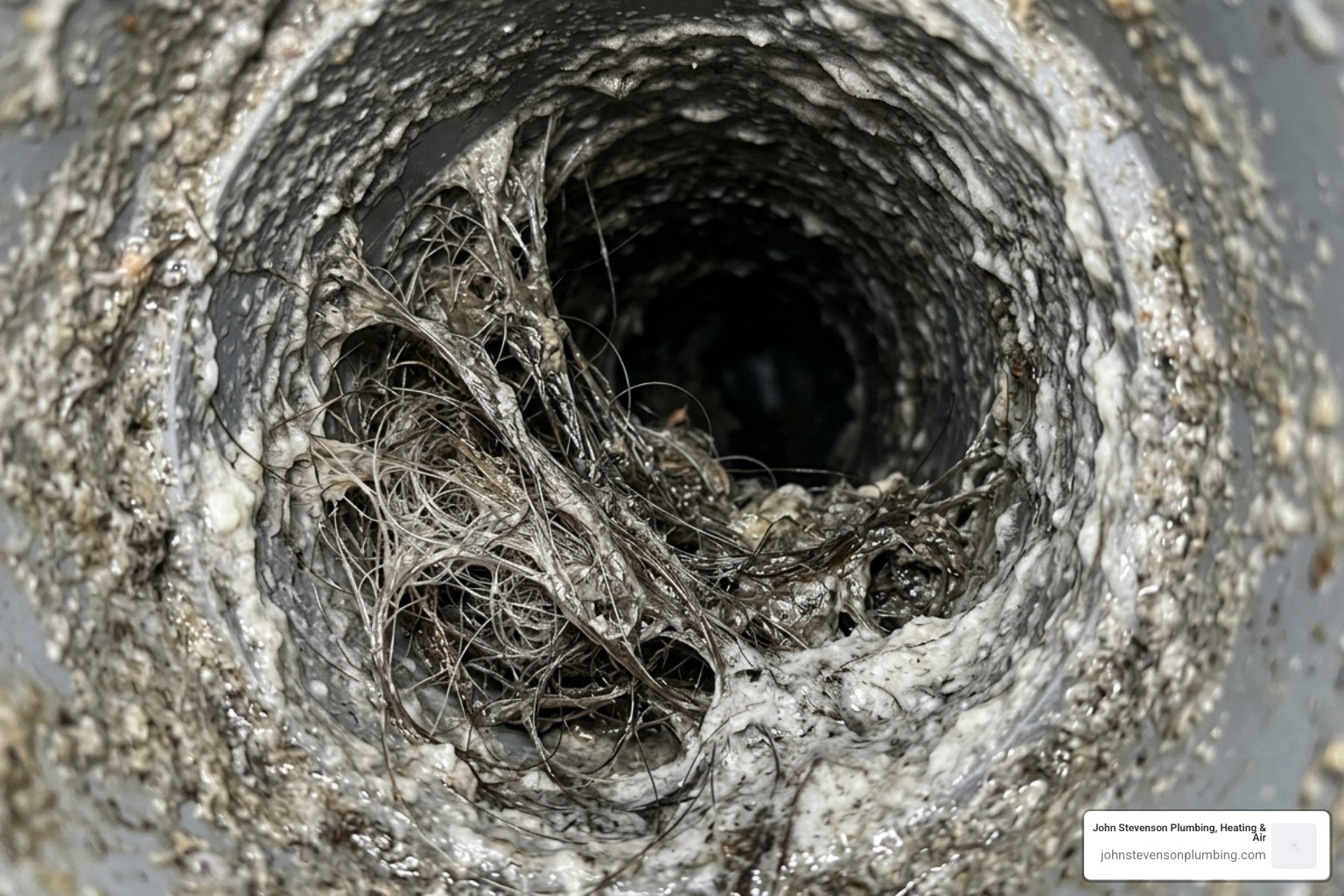
To master how to prevent clogged drains, we first have to understand what we are fighting against. In our experience serving homes from Carlsbad to Rancho Santa Margarita, we’ve seen that most Blocked Drains aren’t caused by a single “accident,” but by the slow accumulation of everyday materials.
The Major Culprits
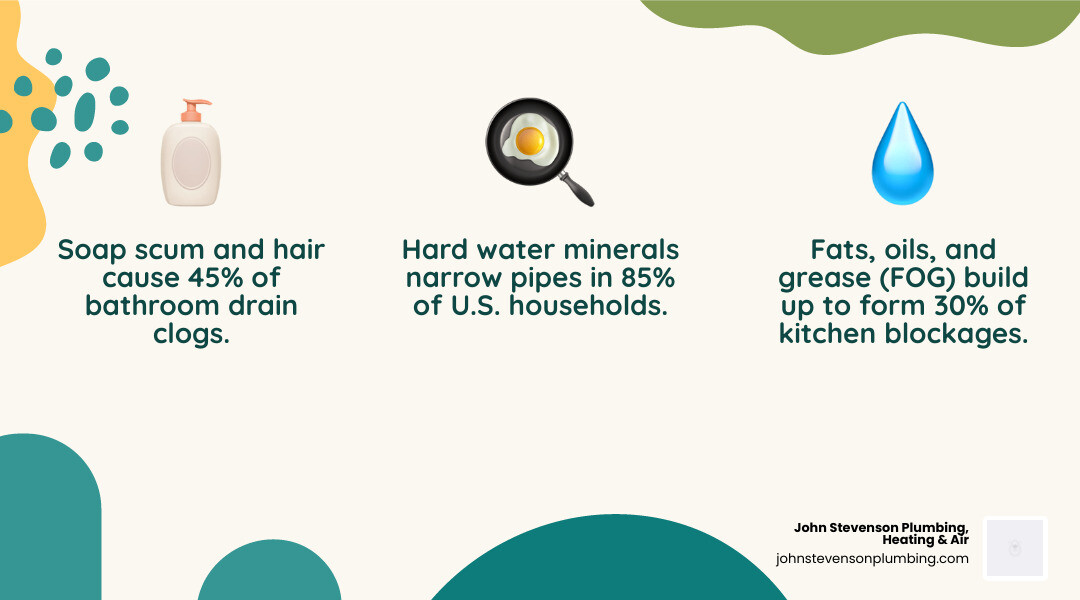
- Hair Accumulation: This is the undisputed king of bathroom clogs. Strands of hair bind together, creating a net that catches other debris.
- Soap Scum: When soap fat combines with minerals in your water, it creates a chalky, sticky substance that coats the inside of your pipes.
- FOG (Fats, Oils, and Grease): In the kitchen, liquid grease might look harmless, but it solidifies as it cools. It acts like “pipe glue,” trapping food particles and eventually sealing the pipe shut.
- Mineral Scaling: According to the USGS, approximately 85% of U.S. households are supplied with hard water. Over time, calcium and magnesium deposits create a “crust” inside your pipes, narrowing the flow.
Organic vs. Inorganic Blockages
Understanding the difference between these two categories helps you choose the right prevention strategy.
| Type of Blockage | Common Examples | Best Prevention Method |
|---|---|---|
| Organic | Hair, food scraps, grease, “bio-slime” | Mesh strainers, enzyme cleaners, FOG disposal |
| Inorganic | Mineral scale, toy parts, “flushable” wipes | Water softeners, drain screens, trash cans |
Effective Strategies for How to Prevent Clogged Drains
Proactive maintenance is the cornerstone of a healthy plumbing system. By investing a few minutes each week into Drain Services, you can avoid the headache of a midnight backup. One often overlooked issue is the development of “bio-slime”—a repugnant, bacterial buildup that thrives in moist environments, especially in bathroom Drains.
Using Mesh Strainers: How to Prevent Clogged Drains Daily
The simplest tool in your arsenal is the mesh strainer. These inexpensive fine-mesh screens sit over your drain opening and catch solids before they enter the plumbing.
- In the Kitchen: Use them to catch coffee grounds and small food scraps that escape your initial plate-scraping.
- In the Bathroom: Install dedicated hair catchers in showers and tubs.
- Pet Bathing Tip: If you wash your dog in the tub, place a washcloth over the drain or use a heavy-duty hair catcher. Pets shed significantly more than humans, and their coarse fur is a recipe for an immediate Drain Cleaning emergency.
Natural Solutions: How to Prevent Clogged Drains with Baking Soda
You don’t need harsh chemicals to keep your pipes clear. In fact, we recommend avoiding caustic cleaners entirely. Instead, a monthly natural rinse can work wonders for Drain Cleaning in Carlsbad, CA.
- Pour half a cup of baking soda down the drain.
- Follow it with half a cup of white vinegar.
- Let the fizzing reaction sit for 15-20 minutes. This helps break down soap scum and minor grease buildup.
- Flush the drain with a kettle of boiling water (use hot tap water if you have PVC pipes to avoid heat damage).
For long-term organic breakdown, consider enzyme-based cleaners. Unlike chemicals that “burn” through clogs, enzymes use natural bacteria to “eat” organic matter like hair and food, keeping your pipes smooth without damaging the plumbing material.
Room-by-Room Prevention: Kitchen and Bathroom Tips
Different rooms face different challenges. Your kitchen is a battleground against grease, while your bathroom fights a war against hair and paper products.
Kitchen Sink and Garbage Disposal Care
Many homeowners believe the garbage disposal is a “magic hole” where food disappears. In reality, it’s only meant for light food residue. To keep your kitchen Drain Cleaning needs to a minimum:
- Grease Disposal: Never pour liquid fat down the sink. Keep a sealable container (like an old coffee can) under the sink. Once the grease cools and solidifies, toss the container in the trash.
- The “No-Go” List: Keep coffee grounds, eggshells, potato skins, and fibrous vegetables (like celery) out of the disposal. These items either don’t grind well or create a paste that clogs the P-trap.
- Cold Water Usage: Always run cold water while the disposal is on. This keeps any remaining fat in a solid state so it can be ground up and flushed through, rather than melting and coating the pipes.
- Maintenance Tricks: Periodically grind ice cubes to sharpen the blades and citrus peels to deodorize the unit. This keeps the assembly efficient and smelling fresh.
Bathroom and Toilet Guidelines
In the bathroom, the goal of Drain Cleaning prevention is to stop “binding.”
- Switch to Liquid Soap: Bar soaps are made with fats that contribute heavily to soap scum. Switching to liquid body wash can significantly reduce the “sticky” buildup in your shower.
- Pre-Shower Brushing: Brush your hair before hopping in the shower to remove loose strands that would otherwise end up in the drain.
- The Toilet Rule: Only two things should ever be flushed: human waste and toilet paper. Even products labeled as “flushable wipes” do not break down in the sewer line. They catch on imperfections in the pipe and create massive “fatbergs” that require professional Drain Services to remove.
When to Move Beyond DIY Maintenance
Sometimes, despite your best efforts, nature or time takes over. If you notice persistent slow drainage, gurgling sounds from your pipes, or unpleasant odors that won’t go away, it’s time to call in the experts.
One of the most effective professional solutions we offer is Hydro Jetting. This process uses high-pressure water to literally “scrub” the inside of your pipes, removing years of grease and mineral buildup.
The Threat of Tree Roots
If you live in a beautiful, established neighborhood like those in Encinitas or San Clemente, tree roots are a major factor. Roots seek out the moisture inside your sewer lines, entering through microscopic cracks. Once inside, they grow rapidly, creating a reinforced “nest” that catches everything you flush.
We recommend a sewer camera inspection if you experience recurring clogs. This allows us to see exactly what’s happening underground without digging up your yard. For optimal health, most residential sewer lines should be professionally cleaned every 18 to 22 months. Regular Hydro Jetting can prevent these roots from ever causing a full-scale backup.
Frequently Asked Questions about Drain Prevention
Why should I avoid chemical drain cleaners?
While they are marketed as a quick fix, chemical cleaners are often more trouble than they are worth. They are highly corrosive and can damage the rubber gaskets in your plumbing or even melt PVC pipes if used too frequently. Furthermore, they produce toxic fumes and are dangerous if they splash back on your skin or eyes. Safer enzymatic alternatives are much better for your home’s long-term health.
How do tree roots affect my home’s drainage?
Outdoor debris and tree roots are the primary causes of main sewer line blockages. Roots are incredibly strong; they can expand existing cracks in your pipes as they grow. Once a root system establishes itself in your sewer line, DIY methods like plunging will not work. You need professional intervention to clear the intrusion and potentially repair the pipe.
What is “bio-slime” and how do I stop it?
Bio-slime is a colony of bacteria that forms a film inside your drain. It often occurs in bathroom sinks where mouthwash is used. The bacteria from your mouth, combined with the moist environment of the drain, creates a repugnant black or grey sludge.
- The Habit Fix: Avoid rinsing the sink with water immediately after spitting mouthwash; let the disinfectant properties of the mouthwash sit in the drain for a bit.
- The DIY Fix: Some homeowners find success by hanging a small piece of copper wire from the drain stopper, as copper has natural antimicrobial properties that kill the slime-producing bacteria.
Conclusion
Preventing clogged drains doesn’t require a degree in engineering—just a few smart habits and a little bit of consistency. By using strainers, disposing of grease properly, and sticking to a natural cleaning schedule, you can keep your home’s plumbing running smoothly for years to come.
However, when the DIY methods aren’t enough, John Stevenson Plumbing, Heating & Air is here to help. Our Carlsbad plumbing experts are backed by our 5-Star Service Guarantee, ensuring you get thorough diagnostics and upfront pricing every time. Whether you need a routine inspection or help with Blocked Drains, our certified technicians are ready to serve our neighbors throughout San Diego and Orange County.
Don’t wait for a backup to ruin your day—stay proactive and keep your drains flowing free!