

Why Summer Cooling Costs Are Eating Your Budget (And What to Do About It)
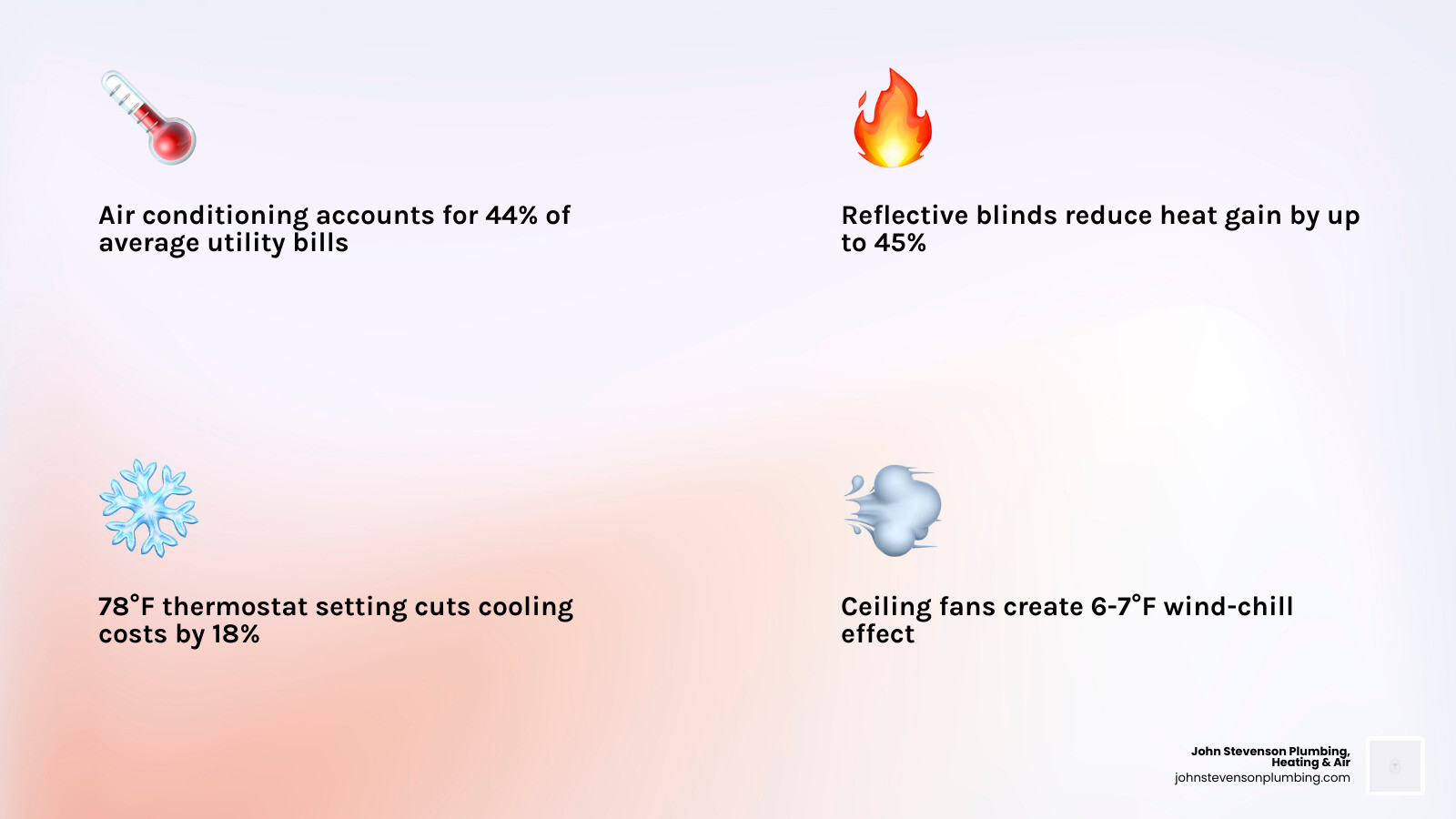
How to lower cooling costs in summer is one of the smartest questions a Carlsbad homeowner can ask — because air conditioning alone accounts for 44% of the average American’s utility bill, and Southern California summers push those numbers even higher.
Here are the most effective ways to reduce your summer cooling costs:
- Set your thermostat to 78°F — this single change can cut cooling costs by up to 18% compared to keeping it at 72°F
- Use a programmable or smart thermostat — automatic setbacks save up to 10% on annual energy bills
- Clean or replace AC filters monthly — dirty filters increase energy use by 5% to 15%
- Block sunlight with window coverings — reflective blinds reduce heat gain by up to 45%; closed drapes cut it by 33%
- Use ceiling fans strategically — the wind-chill effect makes a room feel 6 to 7 degrees cooler without lowering the actual temperature
- Seal air leaks around doors and windows — caulking and weatherstripping keep cooled air in and hot air out
- Shift heat-generating tasks to cooler hours — avoid using ovens, dryers, and dishwashers during the hottest parts of the day
- Schedule annual AC maintenance — a well-maintained system runs more efficiently and lasts longer
- Consider upgrading to ENERGY STAR equipment — older systems lose efficiency after 10 years
- Use landscaping for shade — trees and exterior shading reduce how much heat reaches your home in the first place
The average household spends around $1,900 per year on utility bills, with nearly half of that going toward heating and cooling. In a warm climate like Carlsbad’s, the cooling side of that equation carries a lot of weight. The good news? Most of the strategies that make the biggest difference are straightforward, and some cost nothing at all.
Master Your Thermostat to Lower Cooling Costs in Summer
If you want to know the secret to a lower utility bill in April 2026, look no further than your thermostat. It is the “brain” of your cooling system, and how you interact with it determines whether your energy bill stays manageable or sky-rockets.
The Department of Energy suggests that setting your thermostat to 78°F when you are at home is the “sweet spot” for efficiency. While it might sound a bit warm at first, pairing this setting with a ceiling fan can keep you perfectly comfortable. If you’re used to keeping the house at 72°F, making the jump to 78°F could lop as much as 18% off your summer cooling costs.
Furthermore, you can save as much as 10% a year on heating and cooling by simply turning your thermostat back 7 to 10 degrees for eight hours a day from its normal setting. This is easiest to do while you are at work or asleep. If this sounds like too much manual labor, it might be time for an Energy Efficient Thermostat Installation. Modern units do the heavy lifting for you, and WiFi Thermostats & Home Automation allow you to adjust the temperature from your phone if you forget to change it before leaving the house.
Benefits of Smart and Programmable Thermostats
Investing in a smart thermostat is one of the most valuable tools for Southern California families. These devices use learning algorithms to understand your schedule. After a week or two, the thermostat knows when you leave for work and when you return, automatically adjusting the temperature to save energy while you’re gone and cooling things down just before you walk through the door.
A professional Thermostat Installation ensures that the device is placed in the optimal part of your home—away from drafts or direct sunlight—so it reads the temperature accurately. This automation removes the human error factor, ensuring you never “accidentally” leave the AC blasting at 70°F for an empty house.
Avoiding Common Thermostat Mistakes
One of the most common mistakes homeowners make is cranking the thermostat down to 60°F when they get home to a hot house, thinking it will cool the room faster. In reality, your AC works at the same speed regardless of the setting; it will just run longer and waste energy by overshooting the target.
Another mistake is placing lamps, TVs, or other heat-producing appliances near the thermostat. The sensor picks up the heat from these devices and “thinks” the house is hotter than it actually is, causing the AC to run unnecessarily. If your system seems to be cycling constantly despite your best efforts, you may need an Orange County AC Repair expert to calibrate your sensors or check for underlying issues.
Essential Maintenance and System Upgrades
Your air conditioner is a finely tuned machine. Just like a car, it needs regular care to maintain its “miles per gallon” (or in this case, its SEER rating). Neglecting basic tasks is one of the fastest ways to see your bills climb.
The most important DIY task is cleaning or replacing your air filters. When a filter is clogged with dust and pet hair, your AC has to work much harder to pull air through the system. Cleaning or replacing these filters once per month can lower your AC’s energy consumption by 5% to 15%. This simple habit is a cornerstone of AC Maintenance. For those living in dustier areas or homes with multiple pets, consistent Orange County AC Maintenance is even more critical to keep the system from choking on debris.
Upgrading Equipment to Lower Cooling Costs in Summer
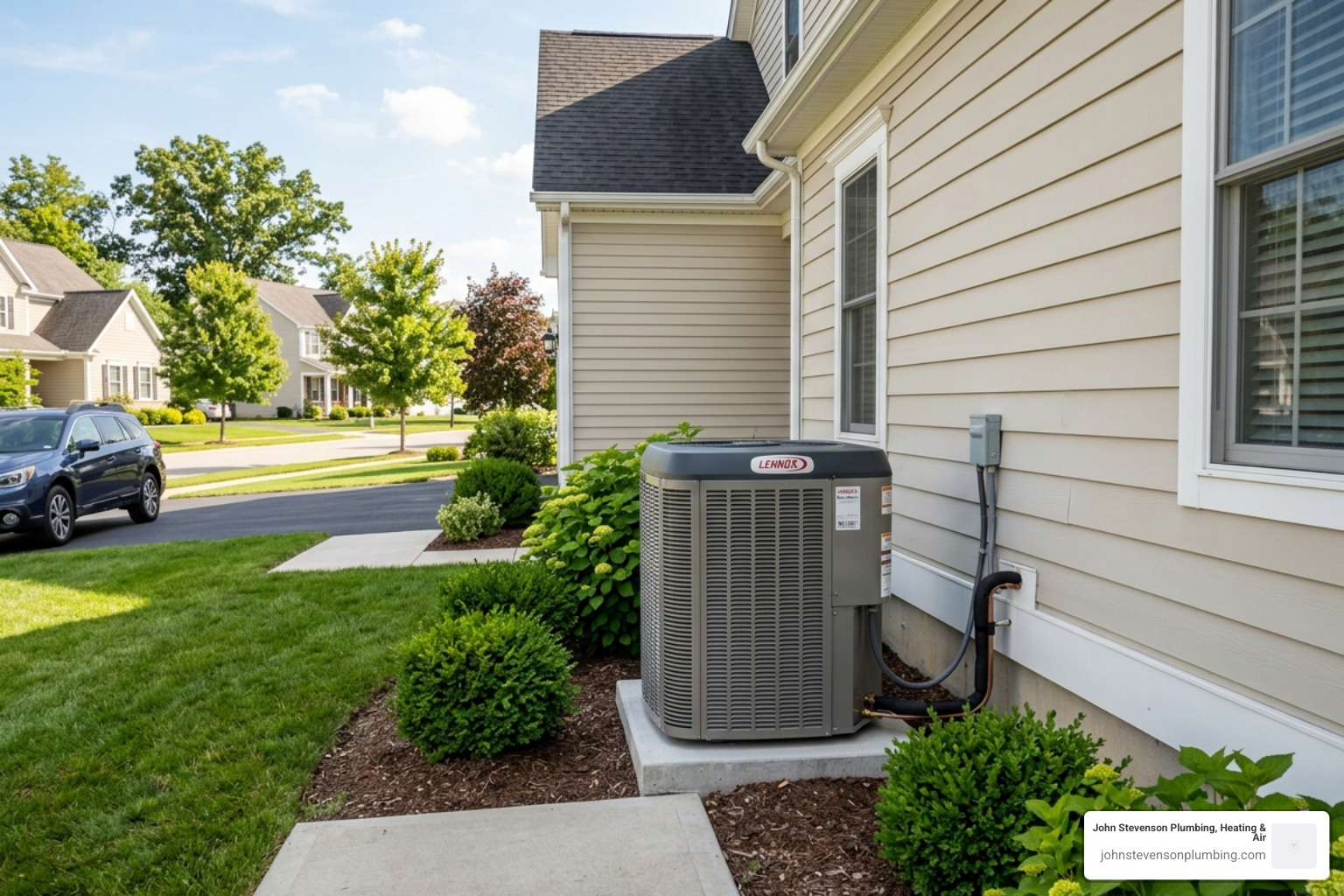
Sometimes, no amount of maintenance can save an aging unit. If your air conditioner is more than 10 to 15 years old, its efficiency has likely declined significantly compared to modern standards. Newer ENERGY STAR certified units meet strict government efficiency guidelines and can provide superior cooling for a fraction of the electricity.
If you find yourself calling for repairs every summer, it might be more cost-effective to look into AC Installation for a high-efficiency model. In many cases, an Orange County AC Installation of a new heat pump or central air system pays for itself over time through lower monthly bills. If you aren’t sure if your system has reached its end of life, an expert evaluation for AC Replacement can give you a clear picture of your potential savings.
Professional Tune-Ups and System Longevity
Beyond the filter, there are internal components that require a professional touch. Over the course of a year, the outdoor condenser coils can become caked with dirt, and the indoor evaporator coils can grow dusty. This prevents the heat exchange process that makes AC possible.
A professional tune-up involves cleaning these coils, checking refrigerant levels, and ensuring all electrical connections are tight. Low refrigerant, for example, makes the system work overtime without providing much cooling. Catching these issues early through a standard AC Repair visit can prevent a total system breakdown during a July heatwave.
Passive Cooling and Sealing Strategies
You don’t always have to rely on mechanical cooling to stay comfortable. In fact, about 76% of the sunlight that falls on a standard double-pane window enters your home to become heat. By using passive strategies, you can stop the heat before it ever gets inside.
Window treatments are your first line of defense. When completely closed and lowered on a sunny window, highly reflective blinds can reduce heat gain by around 45%. Even standard drapes can reduce interior heat gain by 33% if you keep them closed during the sunniest parts of the day. This is especially important for west-facing windows that catch the brutal afternoon sun. Improving your Orange County Indoor Air Quality also involves keeping these areas clean and free of dust that can be kicked up by the AC.
Sealing Leaks to Lower Cooling Costs in Summer
There is no point in paying to cool the air if it’s just going to leak out of the house. Air leaks around doors, windows, and through the attic can make your AC feel like it’s trying to cool the whole neighborhood.
Using caulk to seal cracks and weatherstripping to seal movable joints like doors and windows is a low-cost way to keep the cool air in. Don’t forget about your ductwork, either. Leaky ducts can lose up to 30% of the air they carry before it ever reaches your rooms. Professional Orange County Duct Cleaning often includes an inspection to see if your ducts need sealing with mastic sealant or metal tape (never use standard “duct tape” for ducts, as it degrades quickly).
Natural Ventilation and the Stack Effect
In Carlsbad, we are often blessed with cooler evening temperatures. You can use this to your advantage through “night flushing.” This involves opening windows on opposite sides of the house to create a cross-breeze.
If you have a multi-story home, you can utilize the “stack effect.” By opening windows on the lower floor and the upper floor, the warm air naturally rises and exits through the top windows, pulling cooler air in through the bottom. For homes where traditional ducting is a challenge, Ductless Mini-Splits can provide targeted cooling to specific rooms, allowing you to turn off the AC in the rest of the house.
Lifestyle Habits to Reduce Indoor Heat
Your daily habits contribute more to your home’s temperature than you might realize. Every time you turn on the oven or take a steaming hot shower, you are adding heat and humidity that your AC has to work to remove.
| Appliance/Activity | Heat Impact | Energy Saving Tip |
|---|---|---|
| Incandescent Lighting | High (90% heat) | Switch to LED (75% less energy) |
| Standard Oven | Very High | Use microwave or grill outside |
| Hot Shower | High Humidity | Use exhaust fan for 20 mins |
| Dishwasher | Moderate Heat | Run full loads at night |
| Water Heater | Constant (18% of use) | Set to 120°F |
Switching to energy-efficient lighting alone can reduce energy use by up to 75%. If you’ve ever put your hand near an old-fashioned bulb, you know how much heat they put off. LEDs stay cool to the touch and won’t fight your air conditioner. Additionally, since water heating accounts for about 18% of your energy use, lowering the temperature to 120°F saves money and reduces the ambient heat in your utility closet. Improving your Indoor Air Quality often goes hand-in-hand with these efficiency upgrades.
Strategic Fan Usage and Wind-Chill
Ceiling fans are a homeowner’s best friend, but only if used correctly. In the summer, your fan blades should rotate counter-clockwise to push a breeze directly downward. This creates a “wind-chill effect” that can make you feel 6 or 7 degrees cooler.
The most important thing to remember is that fans cool people, not rooms. They don’t actually lower the air temperature; they just help evaporate moisture from your skin. Always turn the fan off when you leave the room to avoid wasting electricity. If you notice your fans are just moving dust around, it might be time for Duct Cleaning to ensure your home’s surfaces stay cleaner.
Landscaping and Exterior Shading
Long-term savings can be found right in your yard. Planting deciduous trees on the south and west sides of your home provides shade during the summer while allowing the sun to warm the house in the winter after the leaves fall.
Exterior shading like pergolas, awnings, or even window film can block the sun before it ever hits the glass. This is far more effective than interior blinds alone. By keeping the “envelope” of your home shaded, you significantly reduce the load on your HVAC system. This holistic approach to comfort is a key part of maintaining Orange County Indoor Air Quality.
Frequently Asked Questions about Summer Cooling
What is the best thermostat setting for summer?
According to the U.S. Department of Energy, the best setting is 78°F when you are at home and higher when you are away. This minimizes the temperature difference between the indoors and outdoors, which slows the flow of heat into your home and saves you up to 10% on your annual bills.
How often should I change my AC filter?
You should check your filter every month. If it looks dirty, replace or clean it. At a minimum, most homes need a new filter every 90 days, but homes with pets or allergies should aim for every 30 days. Keeping a clean filter can improve efficiency by 5% to 15%.
Do ceiling fans actually lower the room temperature?
No. Ceiling fans circulate air to create a wind-chill effect on your skin, making you feel 6 to 7 degrees cooler. Since they don’t change the actual air temperature, they should be turned off in empty rooms to save energy.
Conclusion
Lowering your cooling costs doesn’t require sacrificing your comfort. By combining smart thermostat habits, regular maintenance, and simple lifestyle changes, you can keep your Carlsbad home cool without the stress of a massive utility bill.
At John Stevenson Plumbing, Heating & Air Conditioning, we are committed to helping our neighbors in Carlsbad and throughout Orange County stay comfortable year-round. Whether you need a quick tune-up, a smart thermostat installation, or a full system replacement, our certified technicians are here to help. We stand behind our work with a 5-Star Service Guarantee, upfront pricing, and a 24-hour satisfaction check-in to ensure your home is performing at its peak.
Ready to start saving? Contact us today for Peak Performance HVAC Services and let us help you beat the heat!