
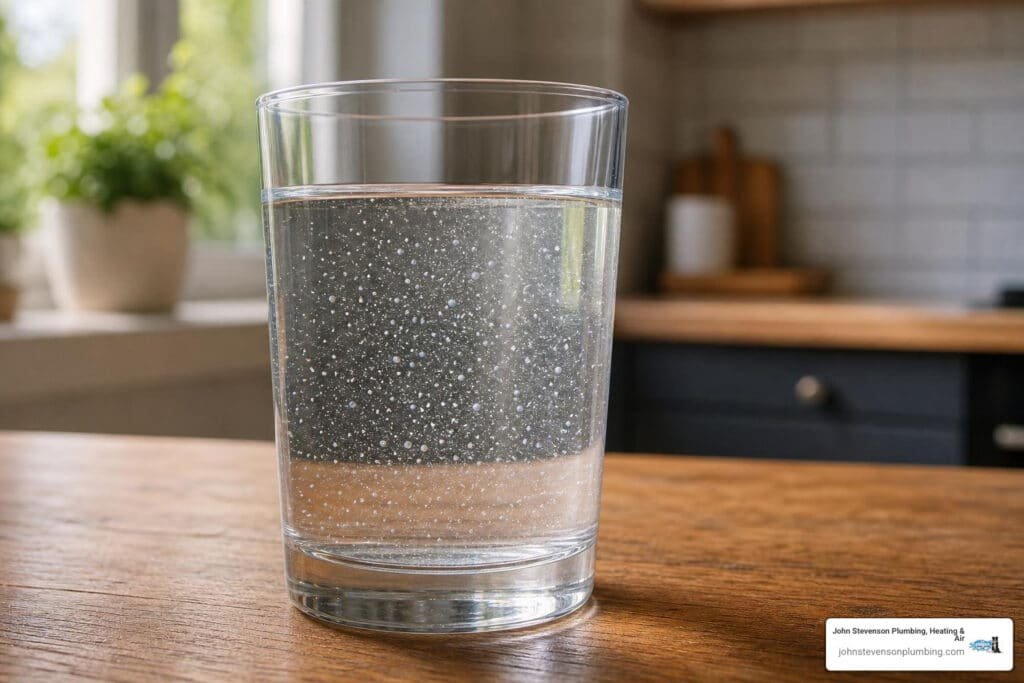
Is Hard Water Bad for Your Health? What Carlsbad Homeowners Need to Know
Is hard water bad for your health? For most people, the short answer is no — but the full picture is more nuanced than that.
Here is a quick summary before we dive deeper:
| Concern | What the Science Says |
|---|---|
| Drinking safety | Safe for most people; no known serious health risks |
| Cardiovascular health | Hard water (121–180 mg/L) linked to up to 20% lower heart disease risk |
| Bone health | Calcium and magnesium in hard water support bone density |
| Kidney stones | No clear link; dietary calcium from water may actually reduce stone risk |
| Skin and hair | Can cause dryness, irritate eczema, and disrupt skin pH |
| Soft water risks | Higher sodium content; corrosive to pipes; may leach lead |
| Cancer risk | Moderately hard water associated with 12% lower all-cause cancer risk |
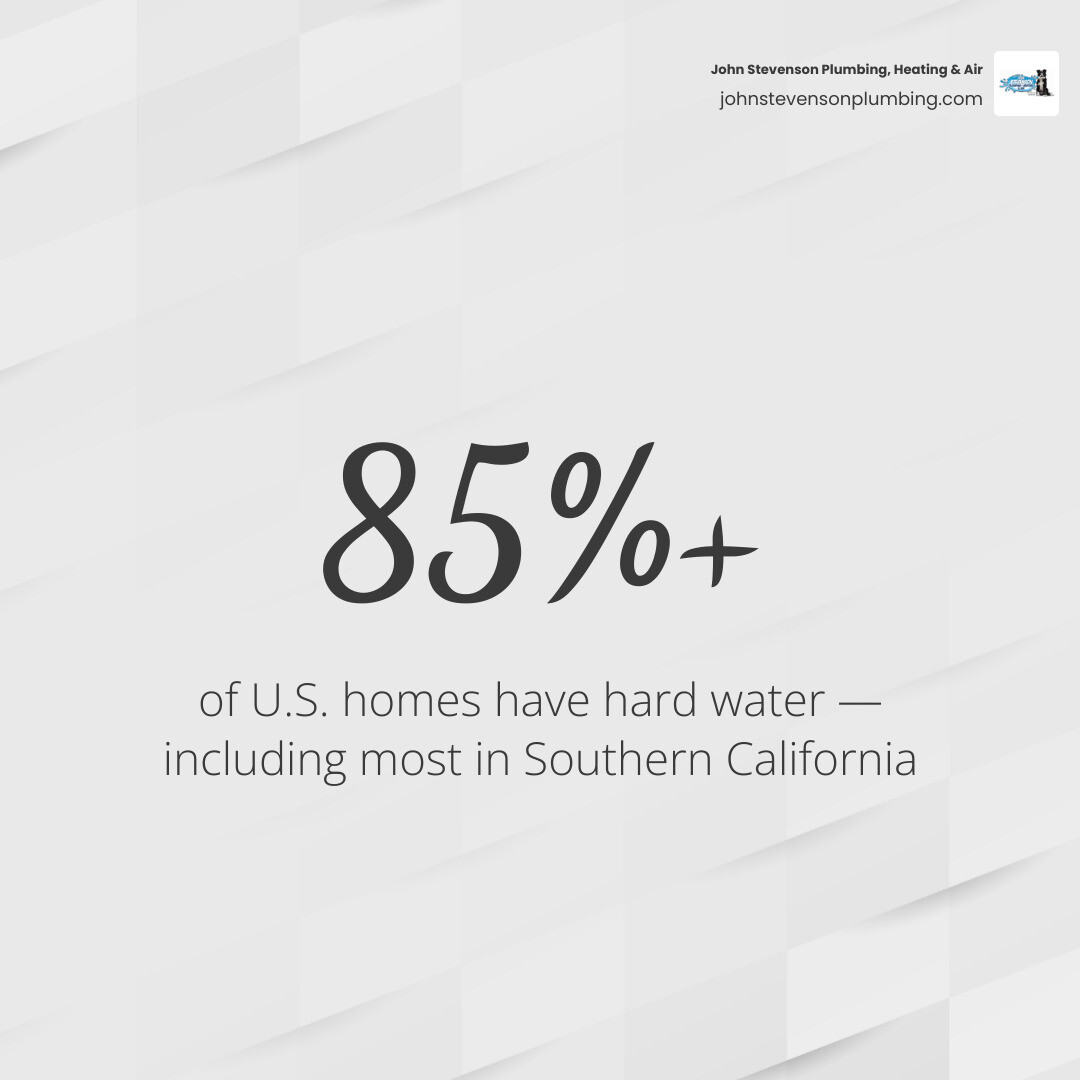
More than 85% of homes in the United States have some level of hard water — and that includes most homes across Southern California. If you live in Carlsbad or anywhere in San Diego County, chances are your tap water contains elevated levels of dissolved calcium and magnesium picked up as groundwater moves through limestone and mineral-rich rock. That mineral content is what gives water its “hardness,” and it affects everything from your morning shower to the lifespan of your water heater.
The good news is that these minerals are not toxic. In fact, several large-scale studies suggest they may actively support heart health, bone density, and digestion. The concerns worth paying attention to are more specific — skin irritation, plumbing scale, and the trade-offs that come with water softening.
I’m John Stevenson, and in this guide I’ll walk you through exactly what the research says so you can make informed decisions about your home’s water quality.
Understanding Water Hardness: Minerals, Chemistry, and the Home
To understand whether water hardness affects our well-being, we first have to look at what is happening at a chemical level. When rain falls, it is naturally soft and slightly acidic. However, as it filters through the ground and flows into regional aquifers, it dissolves minerals from the surrounding soil and rock formations.
The primary culprits behind water hardness are calcium and magnesium ions. When water contains high concentrations of these dissolved minerals, it is classified as “hard.” Water hardness is typically measured in parts per million (ppm), milligrams per liter (mg/L), or grains per gallon (gpg).
According to the United States Geological Survey (USGS), the water hardness scale is broken down as follows:
- Soft Water: Less than 60 ppm (mg/L)
- Moderately Hard Water: 60 to 120 ppm (mg/L)
- Hard Water: 121 to 180 ppm (mg/L)
- Very Hard Water: Greater than 180 ppm (mg/L)
For context, Montreal’s municipal water is typically around 116 ppm (moderately hard), while ocean seawater has an extreme hardness of approximately 6,630 ppm due to its massive concentration of dissolved mineral salts.
Water hardness is also split into two distinct chemical categories:
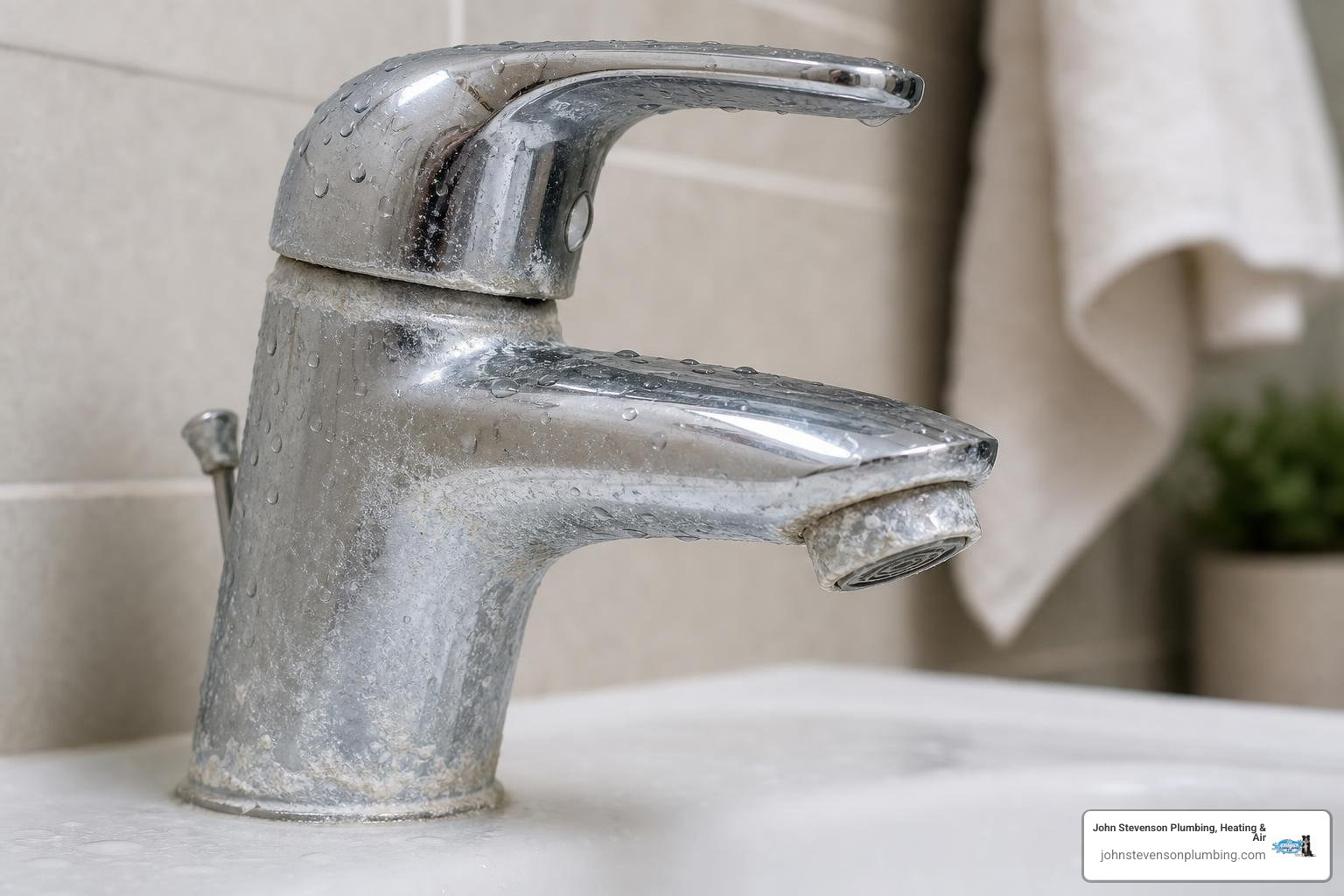
- Temporary Hardness: This is caused by dissolved bicarbonate minerals (calcium bicarbonate and magnesium bicarbonate). Because bicarbonates are highly sensitive to heat, you can actually boil temporary hardness out of your water. When heated, these minerals precipitate out of the liquid, leaving behind that chalky white crust (limescale) you often see at the bottom of your tea kettle.
- Permanent Hardness: This is caused by calcium and magnesium sulfates or chlorides. Unlike temporary hardness, permanent hardness cannot be boiled out of water; it requires chemical treatment or physical ion-exchange systems to remove.
While drinking these minerals is generally safe, they present a massive headache for your home’s infrastructure. When hard water is heated inside your home’s plumbing, the minerals precipitate and form a rock-hard scale. This plumbing scale acts as an insulating barrier inside your water heater, forcing it to work much harder to warm your water.
Over time, scaling severely reduces appliance efficiency, skyrockets your monthly energy costs, and can cause premature water heater failure. It also causes a phenomenon known as tuberculation — mineral deposits restricting water flow inside metal pipes to the point of freezing valves. To learn more about how our regional water characteristics impact your home’s systems, check out our detailed guide on how to Don’t Get Drained by Southern California’s Complex Water Quality Issues.
Is Hard Water Bad for Your Health? The Medical Facts
When homeowners ask us, “is hard water bad for your health”, they are often relieved to learn that major public health organizations, including the World Health Organization (WHO), do not consider water hardness to be a health hazard. In fact, many medical and scientific researchers view hard water as a beneficial source of dietary minerals rather than a threat.
The human body requires a daily intake of essential minerals to function properly. Interestingly, the calcium and magnesium found in hard water have incredibly high bioavailability. Because these minerals are dissolved in water as hydrated ions (Ca2+ and Mg2+), they are actually easier for your digestive system to absorb than the minerals found in solid food or standard dietary supplements.
Consider this statistic: individuals living in hard water areas who drink 2 liters of water a day ingest approximately 52 mg of magnesium directly from their tap. This accounts for roughly 12% of the daily recommended intake of 420 mg. Furthermore, cooking vegetables in hard water actually prevents them from losing their natural magnesium content during the boiling process, whereas cooking them in soft water strips those nutrients away.
In large-scale epidemiological studies, researchers have observed a consistent, inverse relationship between water hardness and stroke mortality as well as general cardiovascular issues. This means that populations drinking moderately hard to hard water regularly exhibit better overall systemic health outcomes than those relying on completely soft, demineralized water.
Cardiovascular and Bone Density Benefits of Mineral-Rich Water
The heart-healthy benefits of hard water are primarily driven by magnesium absorption. Magnesium plays a vital role in regulating blood pressure, supporting muscle contraction, and maintaining a steady heart rhythm. It acts as a natural defense mechanism against coronary artery spasms and stress-induced vascular damage.
A massive 2024 study analyzing nearly 450,000 UK Biobank participants over a 13-year period revealed a clear “Goldilocks” zone for water hardness. The researchers discovered a U-shaped relationship between water hardness and cardiovascular issues like atrial fibrillation (AF), heart failure (HF), coronary heart disease (CHD), and stroke.
The study found that domestic water with a hardness level between 121 and 180 mg/L (the classic “hard water” range) was associated with:
- A 17% lower risk of developing atrial fibrillation
- A 20% lower risk of coronary heart disease
- An 18% lower risk of heart failure
- A 12% lower risk of stroke
However, when water hardness exceeded 180 mg/L (very hard water), the cardiovascular benefits began to diminish, and the risk of other minor health issues slightly increased.
Beyond heart health, the calcium in hard water directly supports bone mineral density. A clinical study focusing on French women aged 75 and older demonstrated that an increase of 100 mg of calcium per day from drinking water was associated with a 0.5% increase in femoral bone density. Similar research in Italy showed that women drinking local mineral-rich spring water maintained significantly higher spine mineral density than those drinking low-calcium water. For individuals with osteoporosis or those struggling to meet their daily calcium requirements, drinking moderately hard water can be a valuable dietary asset.
Is Hard Water Bad for Your Health if You Have Kidney Stones?
Because more than 75% of kidney stones are composed of calcium salts (specifically calcium oxalate), many people assume that drinking calcium-rich hard water will lead to kidney stone formation. However, clinical studies and urological research show that this is largely a myth.
In fact, consuming calcium through your drinking water can actually lower your risk of developing certain types of kidney stones. When you ingest calcium, it binds to dietary oxalates in your digestive tract before they can reach your kidneys. This prevents the oxalates from entering your bloodstream and forming painful stones in your urinary tract.
While drinking hard water increases urinary calcium concentration, large population studies have failed to show any direct, causal link between water hardness and the rate of kidney stone formation. The most critical factor in preventing kidney stones is staying thoroughly hydrated, regardless of whether your water is hard or soft.
That said, if you have a personal or family history of recurrent, severe kidney stones, or if you suffer from compromised kidney function, it is always wise to seek personalized medical advice from your healthcare provider regarding your daily mineral intake.
Dermatological Impacts: Skin, Hair, and Eczema
While hard water is a boon for your internal organs, it is undeniably tough on your exterior. If you have ever stepped out of the shower feeling like your skin is tight, itchy, or covered in an invisible film, you have experienced the cosmetic downsides of hard water.
When you wash with hard water, the dissolved calcium and magnesium react chemically with the fatty acids in traditional soaps. Instead of producing a rich, cleansing lather, this reaction creates a sticky, insoluble residue known as soap scum.
This residue has several negative effects on your skin and hair:
- Clogged Pores: Soap scum clings to your skin, trapping dirt, oil, and bacteria. This can lead to body acne, breakouts, and general irritation.
- Stripped Moisture: Hard water minerals draw moisture out of your skin, leaving it dry and flaky.
- Hair Damage and Dandruff: The mineral buildup coats your hair shafts, making them stiff, frizzy, and highly prone to breakage. It also dries out the scalp, which can trigger or worsen dandruff.
- Altered Skin pH: Healthy skin is naturally slightly acidic, which helps maintain its protective barrier. Hard water minerals can disrupt this delicate pH balance, weakening your skin’s natural defense against bacteria and environmental irritants.
Is Hard Water Bad for Your Health and Skin Barrier Function?
For individuals dealing with atopic dermatitis (eczema), the skin barrier irritation caused by hard water can be particularly challenging. When the skin barrier is compromised, irritants and allergens can easily penetrate the deeper layers of the skin, triggering painful flare-ups.
Epidemiological studies in Japan and the United Kingdom have suggested that exposure to hard water and chlorine is a significant environmental risk factor that can increase the prevalence of eczema in children. However, the relationship is complex.
In a well-known clinical trial conducted by the University of Nottingham, researchers studied 336 children with eczema over a three-month period. One group of children used softened water in their homes, while the control group continued using hard water. Interestingly, the children using softened water showed a 20% improvement in their symptoms, while those using hard water showed a 22% improvement.
This suggests that while hard water can certainly dry out the skin and cause temporary irritation, it is not the sole cause of eczema, and installing a water softener may not act as a complete “cure” for chronic skin conditions. If you or your children suffer from sensitive skin, using mild, synthetic detergents (syndet bars) instead of traditional soaps, taking shorter, cooler showers, and applying a high-quality moisturizer immediately after bathing can help mitigate the drying effects of hard water.
Soft Water vs. Hard Water: Softening Methods and Health Risks
To combat the household and cosmetic nuisances of hard water, many homeowners choose to install water softening systems. But how do these systems work, and do they introduce health risks of their own?
The most common residential water softeners use a process called ion exchange. Inside the system, hard water passes through a tank filled with tiny resin beads coated in positively charged sodium ions. As the water flows over the beads, the calcium and magnesium ions (which carry a stronger positive charge) cling to the resin, displacing the sodium ions into the water supply.
While ion-exchange water softeners are incredibly effective at protecting your home’s plumbing and appliances, they alter the chemical makeup of your drinking water in ways that require careful consideration:
- Increased Sodium Levels: Because the system exchanges minerals for sodium, softened water contains higher sodium levels. While this is generally not an issue for healthy individuals, it can be a serious concern for people managing high blood pressure, diabetes, or kidney issues who must adhere to strict low-sodium diets. To avoid this, many homeowners use potassium chloride pellets instead of traditional sodium pellets, or they bypass the kitchen tap entirely so their drinking water remains unsoftened.
- Pipe Corrosion and Lead Leaching: Soft water lacks the mineral buffer found in hard water, making it chemically “hungry” and highly corrosive to metal plumbing systems. In older homes with copper or lead pipes, highly soft water can leach toxic heavy metals directly into your drinking water. Conversely, a thin layer of mineral scale from moderately hard water acts as a protective shield, preventing this dangerous corrosion.
- Bacterial Growth: If water softening equipment is not regularly cleaned and maintained, bacteria and fungi can accumulate on the resin beds, potentially contaminating your home’s water supply.
Here is a quick comparison of how hard and soft water stack up across various categories:
| Characteristic | Hard Water (121–180 mg/L) | Soft Water (<60 mg/L) |
|---|---|---|
| Mineral Content | High in calcium and magnesium | Low in minerals; higher in sodium or potassium |
| Plumbing Impact | Causes scale buildup and reduces appliance efficiency | Corrosive to metal pipes; can leach lead and copper |
| Cardiovascular Impact | Associated with lower heart disease and stroke risk | Lacks protective mineral benefits |
| Skin & Hair Impact | Causes dryness, frizzy hair, and skin barrier irritation | Gentle on skin; allows soaps to lather easily |
| Taste Profile | Often preferred for its crisp, mineral taste | Can taste flat or slightly salty |
If you are weighing your options, it is highly beneficial to understand the differences between various home water systems. Take a look at our guide on Choosing Between a Water Softener and Filtration System to find the right balance for your household.
How to Test and Manage Water Hardness in Southern California
If you live in Carlsbad, San Marcos, Oceanside, Vista, or any of the surrounding San Diego or Orange County communities, taking control of your water quality starts with knowing what is coming out of your tap.
Here are the practical steps you can take to test and manage your home’s water hardness:
- Review Your Local Water Quality Report: Municipal water providers are required by law to publish annual water quality reports. A quick online search for your city’s name alongside “water quality report” will give you a detailed breakdown of the average hardness levels in your area.
- Perform a DIY Soap Shake Test: For a quick, fun home test, fill a clean, clear plastic bottle halfway with tap water. Add a few drops of liquid dish soap and shake vigorously. If the water quickly creates a thick layer of suds and remains clear underneath, your water is relatively soft. If the soap struggles to lather, creates a cloudy film, and settles quickly, you are dealing with hard water.
- Use a Certified Testing Kit: For precise results, you can purchase a water hardness test kit utilizing test strips, or send a sample to a certified laboratory to analyze your water’s specific mineral and contaminant levels.
- Target Your Water Treatment: You do not have to soften every drop of water in your home. Many Carlsbad homeowners choose to soften only the hot water line to protect their water heater and appliances, while keeping the cold water line unsoftened for drinking. Alternatively, installing a point-of-use reverse osmosis system at the kitchen sink can remove excess minerals and sodium from your drinking water while keeping your whole-home plumbing protected.
Frequently Asked Questions About Water Quality
Does boiling hard water make it soft?
Boiling only removes temporary hardness, which is caused by dissolved calcium and magnesium bicarbonates. When you boil the water, these minerals precipitate out as solid carbonate scale (which you will need to clean out of your kettle). Boiling does not affect permanent hardness caused by calcium and magnesium sulfates or chlorides, as these minerals remain dissolved in the water regardless of temperature.
Can hard water cause digestive issues?
For most people, drinking hard water does not cause digestive problems. However, if your water is extremely hard and contains high concentrations of both magnesium and sulfate, it can act as a mild, natural saline laxative (similar to Epsom salts or milk of magnesia). This can occasionally cause minor gastrointestinal discomfort or loose stools in individuals with highly sensitive digestive systems, though it can also help alleviate chronic constipation.
Is soft water safe for people on low-sodium diets?
Ion-exchange water softeners add a small amount of sodium to your water as they remove calcium and magnesium. While the amount of sodium is relatively low, it can add up if you drink several glasses of water a day. If you are managing high blood pressure, kidney issues, or are on a strict low-sodium diet, we highly recommend using potassium chloride pellets in your softener instead of sodium, or utilizing a reverse osmosis filtration system to remove the added sodium from your drinking water.
Conclusion
When it comes to water quality, there is no single “perfect” setup. Moderately hard water is incredibly beneficial for your heart, bones, and general internal health, but it can take a serious toll on your skin, hair, and home’s plumbing systems. On the flip side, soft water makes cleaning a breeze and keeps your appliances running efficiently, but it strips away essential dietary minerals and can introduce corrosion concerns.
Finding the ideal water quality balance for your home requires looking at your specific household needs, health priorities, and plumbing infrastructure.
At John Stevenson Plumbing, Heating & Air Conditioning, we have spent decades helping Carlsbad homeowners navigate the unique water challenges of Southern California. Whether you want to test your water’s mineral levels, protect your plumbing from scale buildup, or explore customized water softening and filtration options, our certified technicians are here to help.
With our upfront pricing, thorough diagnostics, and 5-Star Service Guarantee, you can trust us to find the perfect solution for your home. Ready to transform your home’s water? Contact us today to explore our comprehensive water quality solutions.