
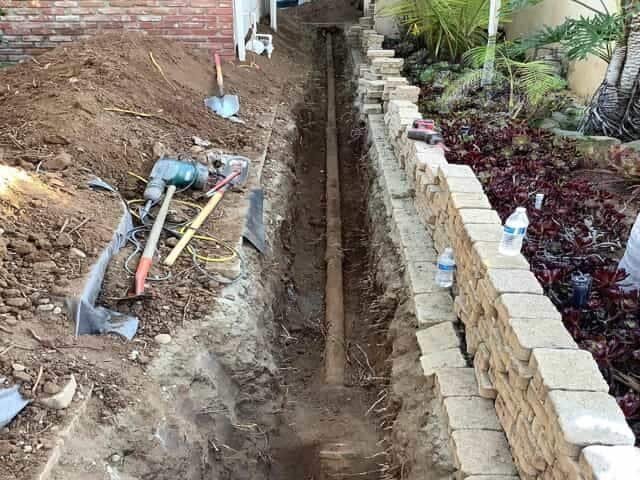
Understanding the Legal Boundaries: Who Is Responsible for Sewer Line Repair Homeowner or City?
When wastewater backups occur, property owners often ask: who is responsible for sewer line repair, homeowner or city? The answer comes down to local municipal codes, property boundaries, and public right-of-way rules. Every residential plumbing system connects to a broader public utility infrastructure, but the boundary separating private property from municipal responsibility is not always located where property owners assume.
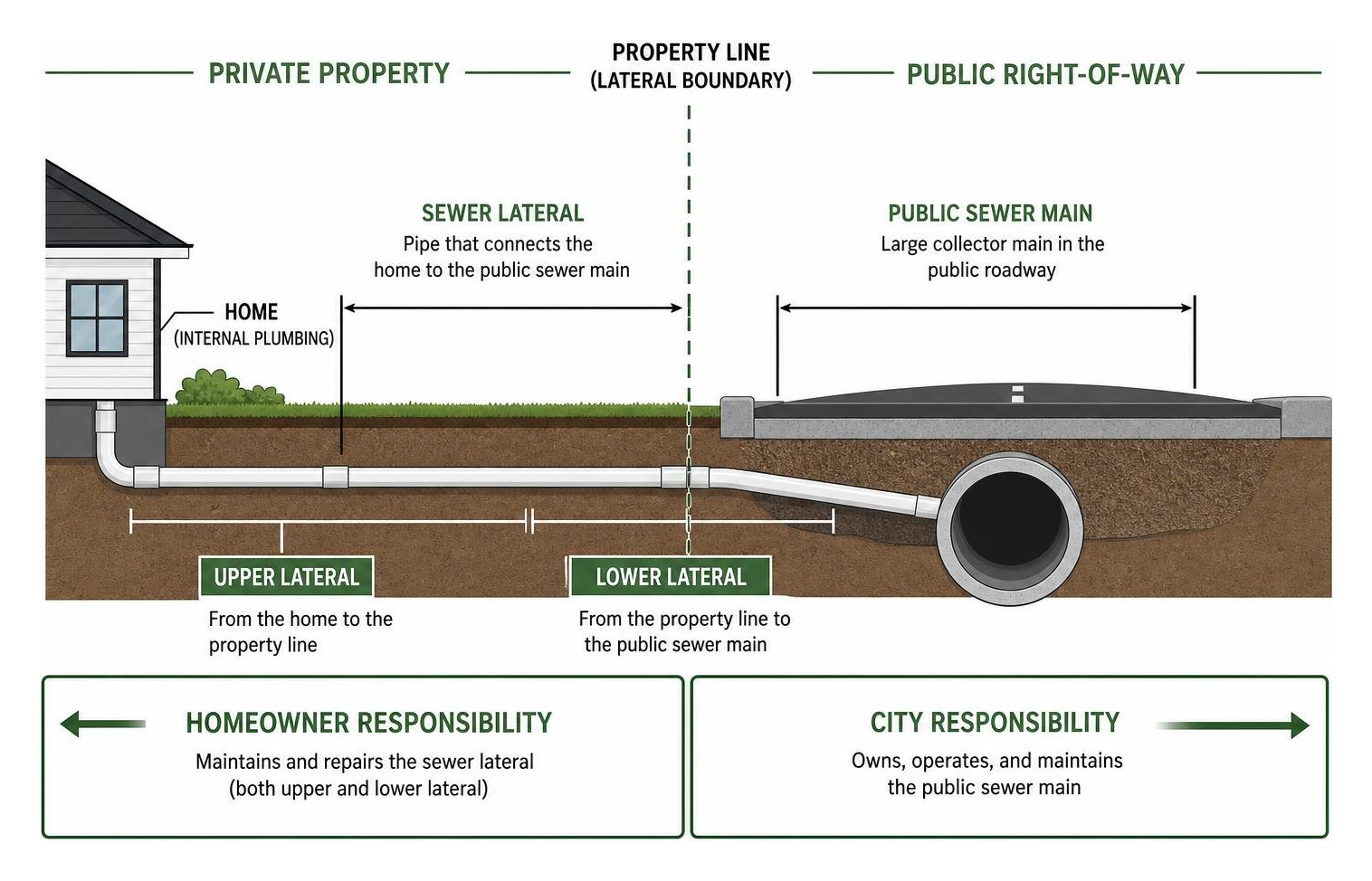
In most jurisdictions throughout Southern California, including San Diego County and Orange County, the public sewer network consists of large collector mains buried deep beneath public roadways. These mains are owned, operated, and maintained by the local municipality or regional sanitation district. In contrast, the pipe connecting your home’s internal plumbing to that municipal main—known as the sewer lateral—is fundamentally private infrastructure.
Whether you are already facing drainage trouble or planning ahead with a pre-purchase sewer line inspection, understanding how local municipal codes define lateral ownership is essential to protecting your home and avoiding unexpected repair liabilities.
Upper Lateral vs. Lower Lateral: Determining Responsibility
To understand legal responsibility, municipal public works departments divide the private sewer line into two distinct sections:
- The Upper Lateral: This is the section of pipe extending from the foundation of your home to the edge of your private property line or an exterior two-way cleanout marker. The homeowner is universally responsible for maintaining, clearing, and repairing the upper lateral.
- The Lower Lateral: This section continues past the property line, running underneath public sidewalks, parkways, and curbs until it connects directly to the municipal main via the sewer tap (or saddle).
While the upper lateral is always private, policies governing the lower lateral vary significantly between municipalities. Some local utility districts take responsibility for structural maintenance of the lower lateral once it crosses into the public right-of-way. However, many municipal codes designate the entire lateral run—from the home’s foundation all the way to the physical connection at the public main—as the sole financial and legal responsibility of the property owner.
The Property Line Misconception and Municipal Code Differences
A widespread misconception among homeowners is that private responsibility ends precisely at the property line or curb. When a pipe cracks beneath a public sidewalk or roadway, property owners often assume the city public works department will automatically handle the excavation and repairs.
In reality, municipal codes across Southern California frequently hold the property owner liable for the pipe’s integrity even when it sits beneath public pavement. If a lateral collapses beneath the street, the property owner may be required to secure specialized right-of-way permits, coordinate traffic control, perform a street cut, and fully restore the public asphalt to city standards. Because local ordinances differ between cities like Carlsbad, Oceanside, Encinitas, and San Diego, verifying your specific utility’s rules before commencing excavation is critical.
Signs of Damage and Immediate Action: Identifying Who Is Responsible for Sewer Line Repair Homeowner or City
Catching a sewer failure early helps prevent structural property damage, foundation movement, and environmental contamination. Pinpointing specific warning signs also helps determine whether the failure originates inside your private lateral or within the city’s main infrastructure.
Warning Signs: Private Lateral Failure vs. City Main Line Blockage
Differentiating between a private lateral failure and a municipal main line surcharge requires observing how plumbing fixtures behave across your home:
- Isolated or Fixture-Specific Clogs: A single slow drain or clogged toilet usually indicates an obstruction inside internal branch lines rather than a mainline sewer failure.
- Multiple Simultaneous Backups: If using a washing machine causes water to bubble up through your shower drain, or flushing a toilet triggers gurgling sounds across multiple fixtures, the blockage is located inside your private sewer lateral.
- Sewer Gas Odors and Yard Sinkholes: Foul smells inside your living areas or sudden soggy, sunken patches in the yard indicate a cracked, misaligned, or collapsed lateral pipe leaking wastewater underground.
- Neighborhood-Wide Overflows: When multiple neighboring properties experience simultaneous backups, or if raw sewage surcharges from municipal street manholes, the issue is almost certainly within the public sewer main.
If you notice sewage backing up into ground-floor bathtubs or toilets, consult our step-by-step sewer backup response guide to quickly protect your property.
Step-by-Step Response Protocol for Suspected Sewer Failures
If you suspect your sewer lateral has failed, taking prompt and organized action minimizes property damage and clarifies municipal liability:
- Stop All Water Usage Immediately: Turn off all indoor water fixtures and avoid running appliances such as dishwashers or washing machines to stop adding wastewater to the backed-up pipe.
- Conduct Visual and Video Documentation: Take clear photographs and videos of any water damage, exterior cleanout overflows, or yard sinkholes.
- Contact Your City’s Public Works Department: Request that a municipal crew verify the public main line in your street is flowing freely. If the city main is clear, the problem resides on your private lateral.
- Schedule a Professional Diagnostic Inspection: Arrange for certified technicians to perform a professional sewer camera inspection using high-definition cameras equipped with radio-transmitter locator heads. This technology pinpoints the exact depth and physical location of any breaks relative to your property boundaries. Review our comprehensive sewer camera inspection guide to learn how video diagnostics identify hidden pipe failures.
Insurance Gaps, Service Line Endorsements, and Repair Considerations
Sewer pipes face continuous stress from aggressive tree root intrusion, natural ground settling, soil shifting, and material degradation. While modern homes feature durable ABS or PVC lines, older properties often rely on vintage clay or cast iron pipes that are susceptible to fractures and corrosion over time. When these pipes fail, resolving the issue requires major structural repair or a complete sewer line replacement.
Homeowners Insurance vs. Service Line Riders vs. Backup Endorsements
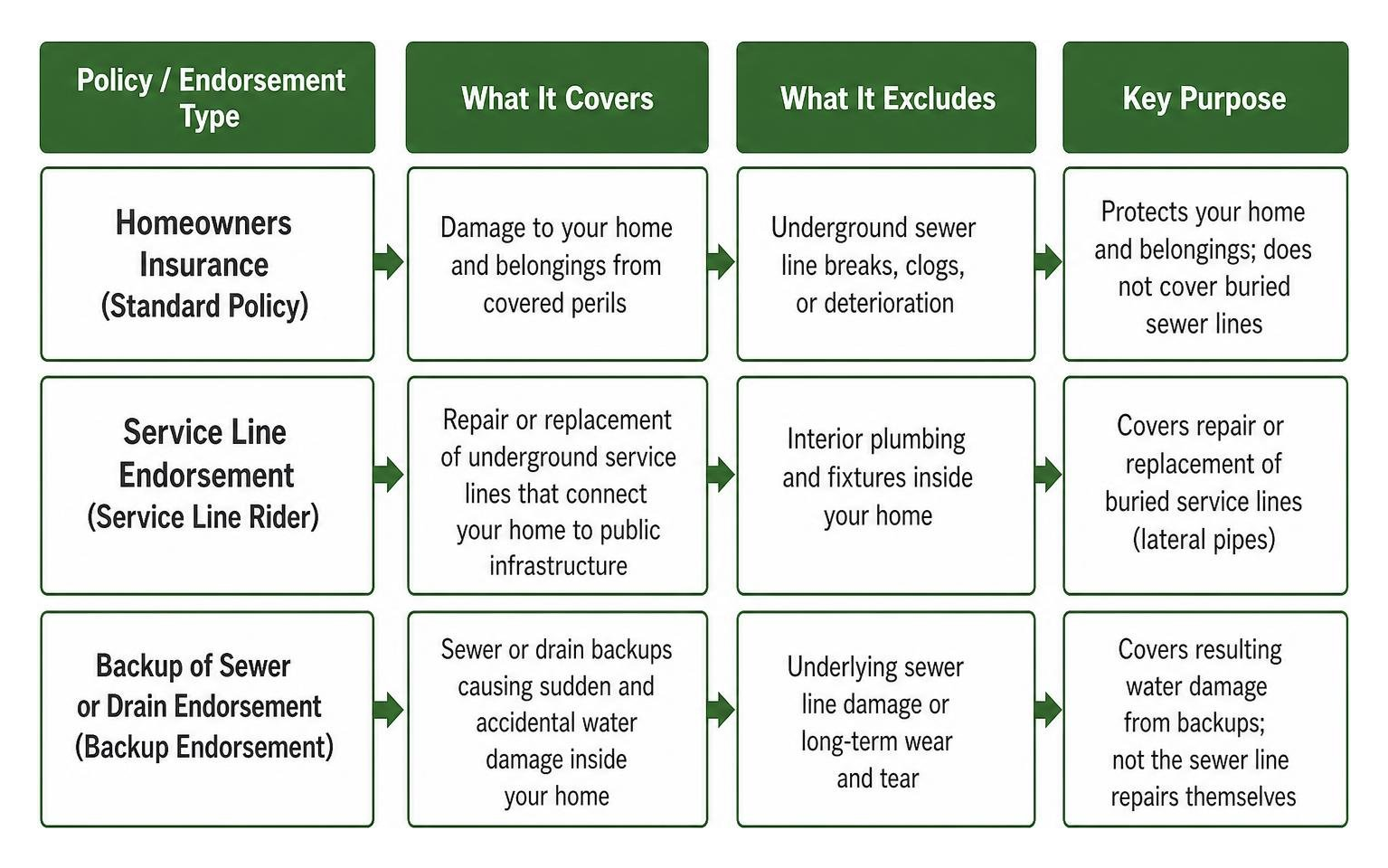
Many homeowners mistakenly believe their standard property insurance policy covers underground pipe failures. In truth, standard policies contain specific exclusions that leave major coverage gaps for buried utilities:
| Policy / Endorsement Type | What It Covers | What It Excludes | Key Purpose |
|---|---|---|---|
| Standard Homeowners (HO-3) | Sudden and accidental damage from covered interior perils | Normal wear-and-tear, age, root intrusion, and the buried pipe itself | Covers dwelling and personal property from standard home disasters |
| Water / Sewer Backup Rider | Interior property damage resulting from sewage backups | The physical excavation, repair, or replacement of the failed sewer pipe | Cleans and repairs interior floors, drywall, and furnishings |
| Service Line Endorsement | Physical repair and replacement of exterior buried utility lines | Normal internal fixture clogs and regular drain maintenance | Pays for excavation, pipe replacement, and land restoration outside the home |
Standard HO-3 policies typically invoke a “system-itself” carve-out, meaning they may pay to dry out damaged drywall while explicitly excluding the task of digging up and replacing the broken pipe that caused the problem. Adding a dedicated service line endorsement to your policy fills this gap by protecting against exterior utility line breakdowns caused by wear, rust, root invasion, or ground pressure.
What Drives Repair Scope: Excavation, Depth, and Street Restoration
Repairing or replacing a damaged sewer lateral involves multiple site-specific factors that impact the overall project scope:
- Burial Depth and Soil Composition: Sewer lines buried deep underground require extensive shoring and heavy machinery to excavate safely.
- Public Right-of-Way and Street Restoration: If repairs must extend into the public roadway, projects often require municipal encroachment permits, certified traffic control setups, and full pavement repaving adhering to strict city moratorium standards.
- Surface Obstacles and Landscaping: Running a new sewer line installation beneath mature trees, decorative concrete driveways, retaining walls, or utility crossings demands careful planning and specialized equipment.
Modern Solutions: Trenchless Sewer Line Repair and Assistance Programs
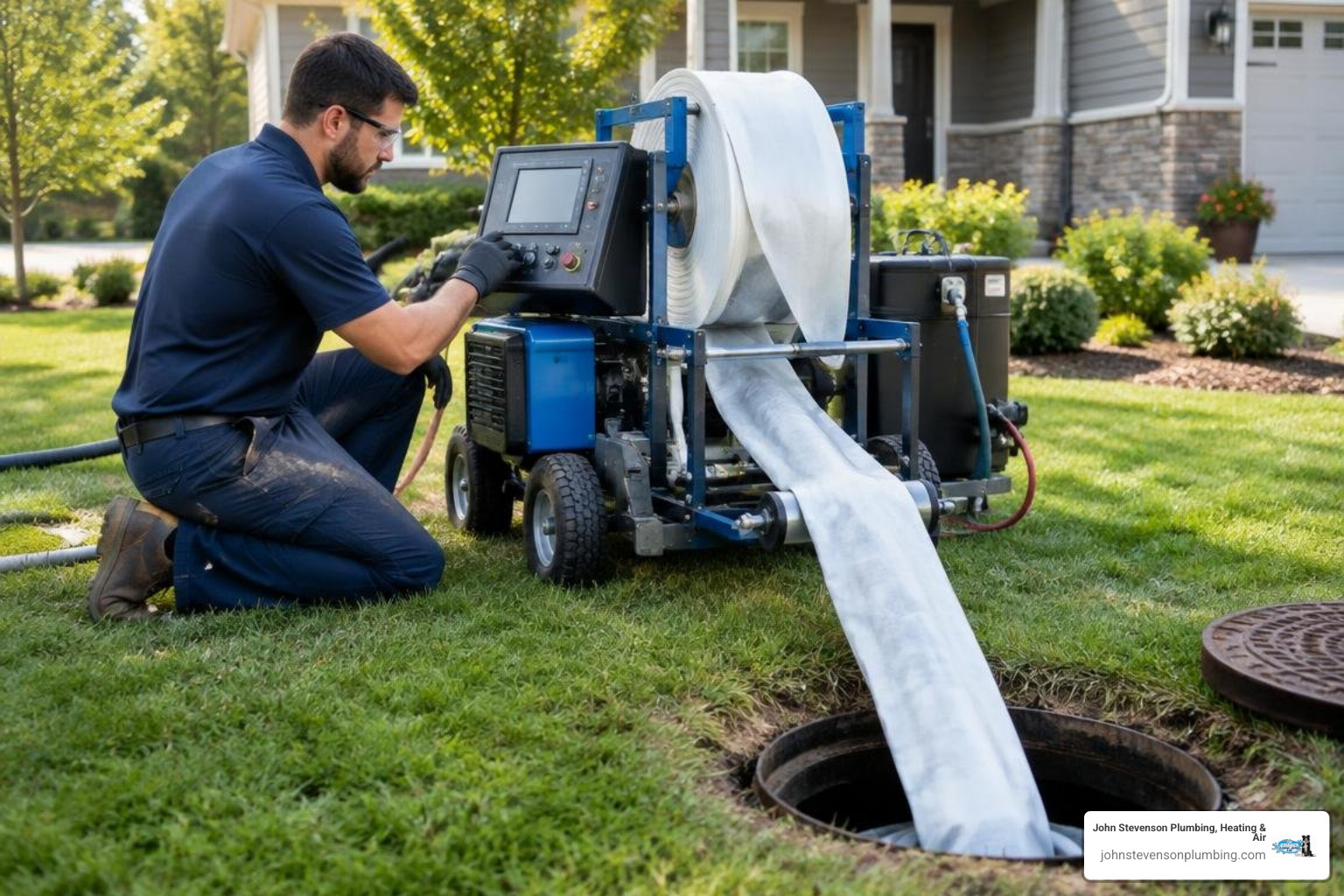
Traditional sewer repair methods often involve digging deep trenches across manicured lawns, hardscaped patios, and public roads. Fortunately, modern technology allows certified plumbing specialists to restore structural integrity underground without destroying surface property.
Trenchless Technologies: CIPP Lining and Pipe Bursting
Our modern trenchless sewer line repair techniques provide durable, non-invasive alternatives to open-trench excavation:
- Cured-In-Place Pipe (CIPP) Lining: Technicians insert an epoxy-saturated felt tube into the damaged host pipe through an existing cleanout access point. Once inflated and cured, it creates a seamless, jointless “pipe-within-a-pipe” that seals cracks, bridges gaps, resists root penetration, and provides a structural lifespan of up to 50 years.
- Pipe Bursting: When an old clay or cast iron line is completely fractured or collapsed, a high-powered hydraulic pull-rod system pulls a heavy conical bursting head through the existing run. This breaks the old pipe outward into the surrounding soil while simultaneously pulling a brand-new, seamless high-density polyethylene (HDPE) pipe directly into its place.
Trenchless methods preserve driveways, hardscaping, and sidewalks while minimizing the need for costly street cuts and right-of-way permits.
Utility Assistance Programs and Financing Options
To help property owners address aging infrastructure, certain local sanitation districts and municipal utilities offer financial assistance programs, low-interest repair loans, or lateral compliance programs. These initiatives often require formal video verification and strict eligibility guidelines. In addition, many communities mandate lateral inspections and compliance certificates prior to completing real estate transactions. Check with your local city building department or sanitation authority to explore available municipal options.
Frequently Asked Questions About Sewer Line Responsibility
Does the city pay for a collapsed sewer line under the public road?
In most Southern California jurisdictions, the city does not pay to repair a collapsed sewer line under the road if the damaged section is part of your private lateral. Unless your local municipality’s charter specifically includes lower lateral maintenance within its public utility scope, the homeowner remains responsible for the pipe from the house all the way to its connection at the city main.
Does standard homeowners insurance cover tree root intrusions in sewer pipes?
Standard homeowners insurance policies (such as HO-3 policies) generally exclude tree root intrusion, considering it a gradual maintenance issue rather than a sudden, accidental peril. To secure coverage for root-damaged pipes, homeowners should add an optional service line endorsement to their policy.
What is the difference between an upper lateral and a lower lateral?
The upper lateral is the portion of the sewer pipe running from your home’s foundation to your private property line or an exterior cleanout marker. The lower lateral continues past the property line, extending beneath the sidewalk, parkway, and street until it taps into the public sewer main.
Expert Sewer Line Diagnostics and Repairs in Southern California
Navigating sewer line repairs, local municipal rules, and property line boundaries can feel overwhelming when wastewater begins backing up into your home. At John Stevenson Plumbing, Heating & Air Conditioning, our licensed, certified technicians take the guesswork out of complex sewer problems.
Backing our work with our comprehensive 5-Star Service Guarantee, we deliver thorough video diagnostics, transparent project details, and dependable workmanship across Carlsbad, San Diego County, and Orange County. Whether you need non-invasive trenchless pipe lining, emergency hydro jetting, or full sewer line replacement, our team is ready to restore your home’s plumbing system safely and efficiently.
Contact us today to schedule your camera inspection or explore our complete range of expert sewer line services in Southern California.