
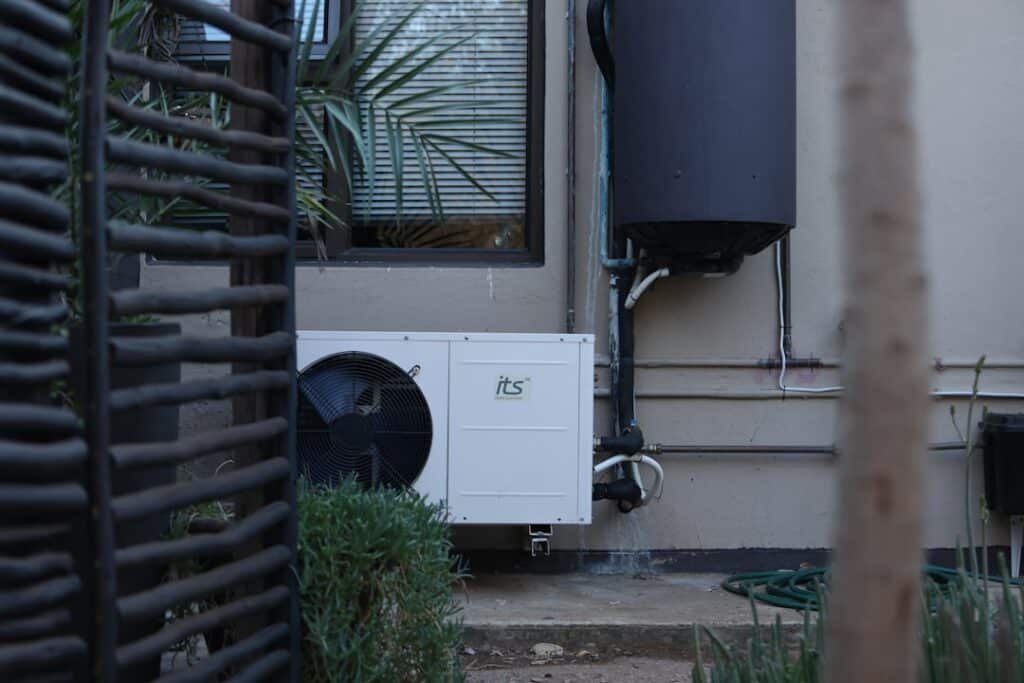
Why Heat Pumps Perform So Well in Mild Climates
Do heat pumps work well in mild climates? Yes — and in fact, mild climates like Carlsbad, CA are where heat pumps truly shine. When outdoor temperatures rarely drop below freezing, heat pumps operate near their peak efficiency for most of the year. That means lower energy bills, consistent comfort, and less wear on the system compared to traditional heating and cooling setups.
Here’s a quick summary of why heat pumps excel in mild climates:
- High efficiency all season — Heat pumps achieve a Coefficient of Performance (COP) of 3.0 to 4.0 or higher when outdoor temperatures stay above 40°F, which is most of the year in Southern California
- No need for cold-climate upgrades — Standard modern heat pumps are more than sufficient for regions that rarely see temperatures below 20°F
- One system does it all — A single heat pump handles both winter heating and summer cooling, replacing two separate systems
- Lower energy use — Heat pumps move heat rather than generate it, delivering 2 to 4 units of heat energy for every unit of electricity consumed
- Environmentally friendlier — Reduced energy consumption means a smaller carbon footprint, especially on California’s increasingly clean electrical grid
If you live in Carlsbad or anywhere in San Diego County, the mild winters and warm summers make a heat pump one of the smartest HVAC investments you can make.
Know your do heat pumps work well in mild climates terms:
- are heat pumps good for southern california
- heat pump benefits for homeowners
- how does a heat pump work
Do Heat Pumps Work Well in Mild Climates?
To understand why heat pumps perform so beautifully in moderate zones, it helps to look at the physics of how they operate. Unlike traditional gas furnaces or electric baseboard heaters, a heat pump does not generate heat through combustion or electrical resistance. Instead, it relies on the scientific principles of heat transfer.
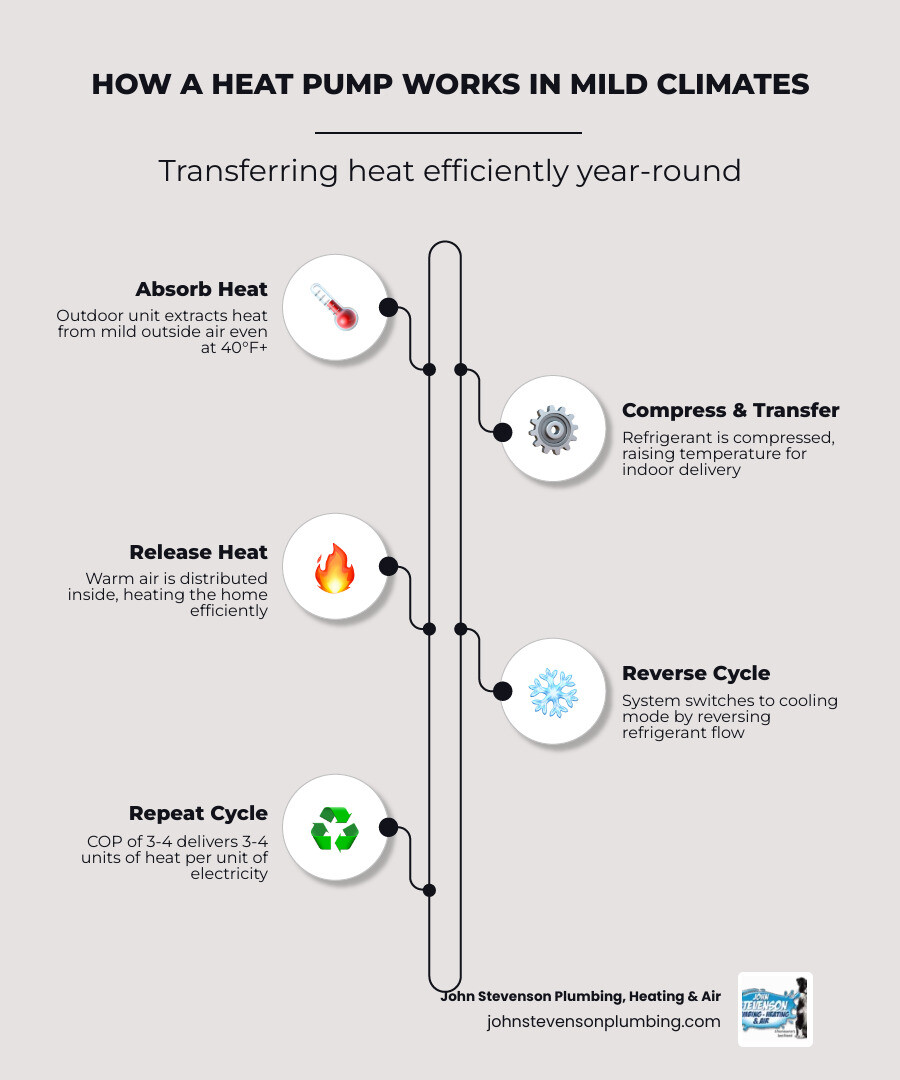
Even when the air outside feels chilly to you, it still contains a vast amount of thermal energy. In fact, air at 0°F still contains about 75% of the heat energy present in air at 140°F! A heat pump uses a closed loop of circulating refrigerant to absorb this ambient warmth from the outdoor air, compress it to raise its temperature, and transfer it indoors to heat your living space.
In a mild winter climate—such as we enjoy throughout coastal Carlsbad, Encinitas, and Solana Beach—the outdoor air is consistently packed with easily accessible thermal energy. Because the temperature difference between the outdoor air and your desired indoor temperature is small, the compressor doesn’t have to work very hard. This results in incredibly high thermodynamic performance and efficiency. To learn more about this process, you can read about The Simple Way a Heat Pump Heats and Cools Your Home.
Why Do Heat Pumps Work Well in Mild Climates Compared to Colder Regions?
In extremely cold regions, such as the Northeast or Midwest, heat pumps face a double challenge. First, as the outdoor temperature plunges toward zero, there is less heat energy available in the air to extract. Second, the home loses heat much faster because of the extreme difference between indoor and outdoor temperatures. To keep up, standard heat pumps in cold climates must work harder, and their Coefficient of Performance (COP) drops.
In contrast, our Southern California service areas—from La Jolla and Del Mar up through Mission Viejo and Irvine—rarely experience true freezing conditions. The vast majority of our winter heating hours occur when outdoor temperatures are between 40°F and 60°F.
In this temperature sweet spot:
- Peak COP values — Standard heat pumps operate at an outstanding COP of 3.0 to 4.0, meaning they deliver three to four times the heating energy they consume in electricity.
- No auxiliary heat needed — Because the system does not reach its “balance point” (the temperature where the heat pump can no longer keep up with the home’s heat loss), it rarely, if ever, has to switch to expensive auxiliary electric resistance heat.
- Fewer defrost cycles — Outdoor coils are less prone to frosting over in mild coastal climates, saving energy that would otherwise be used to melt ice off the unit.
This makes the transition to a heat pump an absolute home run for energy savings. If you are considering making the switch, discover Why Your San Diego Home Is Begging for a Heat Pump Upgrade.
How Do Heat Pumps Work Well in Mild Climates to Provide Year-Round Comfort?
One of the greatest advantages of a heat pump is its reversible cycle. By utilizing a simple component called a reversing valve, the system can change the direction of the refrigerant flow.
- In the Winter: The system extracts heat from the outdoor air and pumps it indoors.
- In the Summer: The system reverses its operation, absorbing heat from your indoor air and dumping it outside—functioning exactly like a high-efficiency central air conditioner.
In mild coastal and inland Mediterranean climates, our weather fluctuates between warm, sunny afternoons and cool, damp nights. A heat pump handles these transitions seamlessly. It provides gentle, steady heating during a cool morning in Carlsbad, and then switches over to crisp, efficient cooling when the afternoon sun warms the house.
Furthermore, heat pumps excel at dehumidification. During humid coastal mornings, running the system in cooling or dedicated dry mode extracts excess moisture from the air, dramatically improving indoor comfort without over-cooling your home. For a complete look at how this applies to our local weather patterns, check out our guide on All About Heat Pumps for Southern California.
Comparing Heat Pumps to Traditional HVAC Systems
When choosing a new heating and cooling system, it’s helpful to compare heat pumps directly against traditional options like gas furnaces and electric resistance heating.
+-------------------------------------------------------------------------------------------------------+
| HVAC System Comparison in Mild Climates |
+------------------------------+--------------------------+--------------------+------------------------+
| Feature | Heat Pump | Gas Furnace | Electric Resistance |
+------------------------------+--------------------------+--------------------+------------------------+
| Heating Efficiency (COP) | 3.0 – 4.0+ (300%-400%)   | 0.80 – 0.98 (80%-98%)| 1.0 (100%) |
+------------------------------+--------------------------+--------------------+------------------------+
| Cooling Capability | Yes (Built-in) | No (Requires AC)   | No (Requires AC) |
+------------------------------+--------------------------+--------------------+------------------------+
| Energy Source | Electricity | Natural Gas/Propane| Electricity |
+------------------------------+--------------------------+--------------------+------------------------+
| Carbon Footprint | Very Low | Moderate to High   | High (Indirect) |
+------------------------------+--------------------------+--------------------+------------------------+
| Operational Safety | High (No Combustion) | Combustion Risks   | High |
+------------------------------+--------------------------+--------------------+------------------------+
Traditional gas furnaces are often a poor match for mild climates. Because they are designed to generate high-temperature heat through combustion, they tend to heat mild-climate homes too quickly, leading to short-cycling (turning on and off frequently). Short-cycling wastes energy, causes temperature swings, and places unnecessary wear and tear on the system’s components.
Electric resistance heating (such as wall heaters or electric baseboards) is incredibly inefficient by comparison. It operates at a strict 1:1 ratio, meaning one unit of electricity produces exactly one unit of heat. A heat pump, by moving heat rather than creating it, can cut your heating electricity use by 50% to 75% compared to resistance heating.
By eliminating fossil fuel combustion from your home, heat pumps also eliminate the risk of carbon monoxide leaks and drastically reduce your household’s direct greenhouse gas emissions. For a deeper dive into these advantages, read The Definitive Guide to Heat Pump Benefits for Homeowners.
Efficiency Ratings That Matter Most
When shopping for a heat pump in Southern California, you will encounter several key efficiency ratings. Understanding these terms will help you select the best model for your home:
- SEER2 (Seasonal Energy Efficiency Ratio 2): This measures the cooling efficiency of the system over a typical cooling season. In warm, sunny areas like Escondido, Orange County, and inland San Diego, a higher SEER2 rating (such as 16 to 20+) will yield substantial summer savings.
- HSPF2 (Heating Seasonal Performance Factor 2): This measures the heating efficiency of the system over a typical heating season. While cold climates require exceptionally high HSPF2 ratings, a rating of 8.5 to 10 is fantastic for mild climates, representing excellent performance without paying a premium for extreme low-temperature capability.
- COP (Coefficient of Performance): This is a real-time measurement of efficiency at specific temperatures. In mild weather, look for systems that maintain a COP of 3.0 or higher.
- Inverter Technology (Variable-Speed Compressors): Traditional HVAC systems are either 100% on or completely off. Modern heat pumps feature inverter-driven, variable-speed compressors. These systems can ramp up or down in tiny increments, running continuously at a low, whisper-quiet speed to maintain a perfect, steady temperature. This eliminates drafts, reduces noise, and maximizes energy savings.
Choosing the Right Heat Pump Configuration for Your Home
Every home is different, which is why heat pumps come in several configurations to match your specific layout and comfort goals.
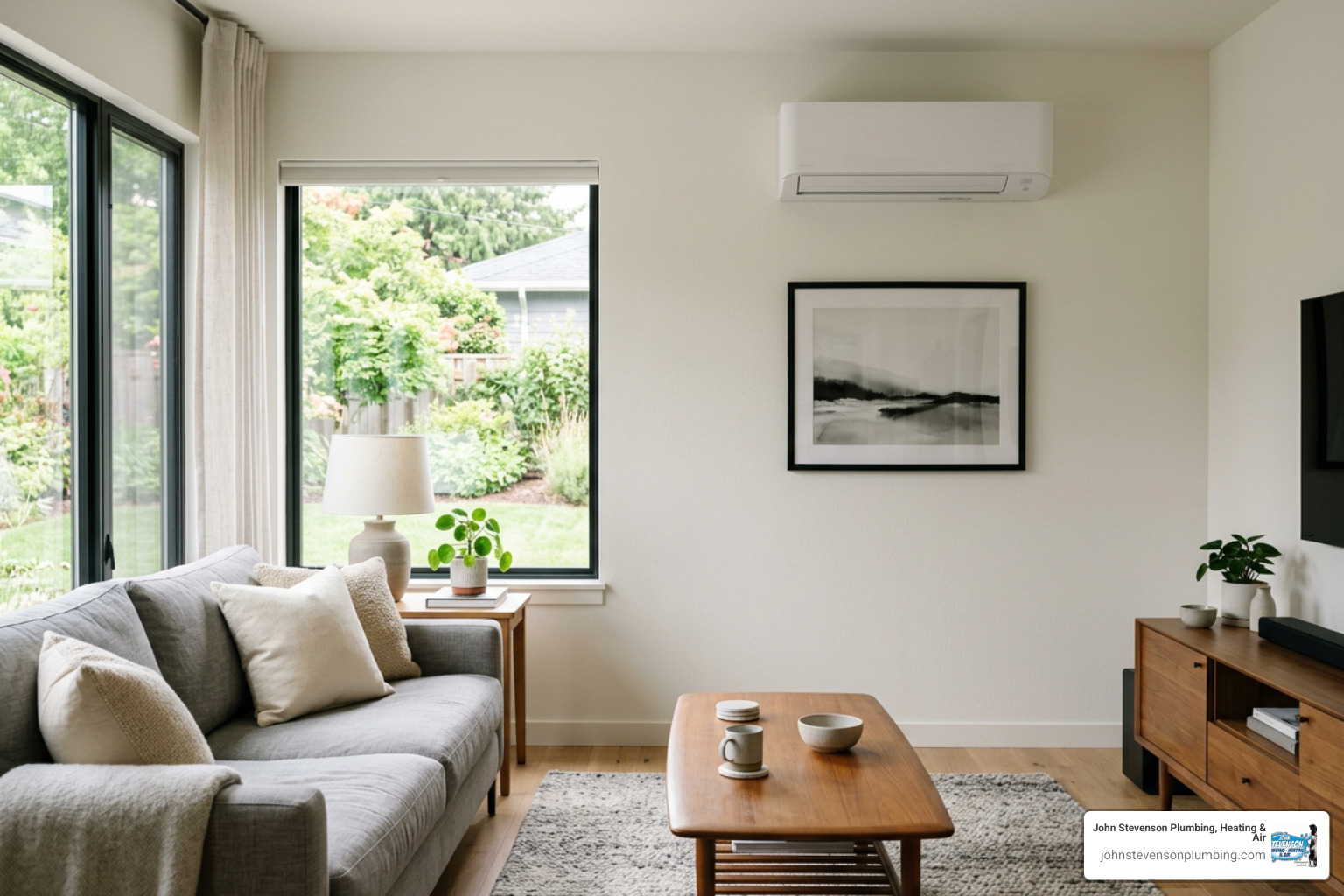
- Ducted Heat Pumps: If your home already has a central ductwork system from an older furnace or air conditioner, a ducted heat pump is a straightforward upgrade. We simply replace your outdoor AC condenser and indoor furnace with a clean, fully electric heat pump system.
- Ductless Mini-Splits: For older homes, additions, or houses without existing ductwork (common in older neighborhoods in San Diego and Oceanside), ductless mini-splits are an incredible solution. They utilize small indoor air handlers mounted on the wall or ceiling, connected to an outdoor compressor by a small refrigerant line. To explore this option, check out our Cooling Services Ductless Mini Splits.
- Zoned Comfort: Ductless systems allow you to control the temperature of individual rooms or “zones” independently. If you aren’t using the guest room or the home office, you can turn down the conditioning in those zones, saving even more energy.
Sizing and Installation Considerations
Getting the most out of your heat pump requires professional, precise installation. The most critical step in this process is a Manual J Load Calculation.
Some contractors might try to guess the size of your system based solely on your home’s square footage. This often leads to oversized systems that short-cycle, or undersized systems that fail to keep you comfortable. A proper Manual J calculation takes into account:
- Your home’s local microclimate (coastal Carlsbad vs. hot, dry inland Poway or Ramona)
- Insulation levels in your walls and attic
- The number, type, and orientation of your windows
- Air infiltration rates (how drafty the home is)
- Existing ductwork design and airflow capacity
At John Stevenson Plumbing, Heating & Air, our certified technicians take the time to run these calculations properly, ensuring your new system is sized perfectly for year-round comfort. Learn more about our professional approach to San Diego HVAC Services Heat Pump Installation.
Maintenance and Longevity in Coastal and Mild Environments
While mild climates are highly favorable for heat pump operation, coastal environments present their own unique challenges. If you live within five miles of the ocean in Carlsbad, Encinitas, Del Mar, or Newport Beach, salt air corrosion is a serious factor that can impact your system’s lifespan.
Without proper care, salt spray can corrode the delicate aluminum fins on your outdoor unit, reducing heat transfer efficiency and shortening the system’s life by several years.
To protect your investment and ensure your system runs smoothly for its expected 15-to-20-year lifespan, we recommend the following maintenance practices:
- Coated Coils — When installing a new system near the coast, choose units with factory-applied anti-corrosive coil coatings.
- Regular Rinsing — Regularly rinse your outdoor unit’s coils with fresh water from a garden hose to wash away salt deposits and dust.
- Monthly Filter Changes — Inspect and replace your indoor air filters every 30 to 60 days to maintain optimal system airflow and indoor air quality.
- Bi-Annual Professional Tune-Ups — Schedule professional maintenance twice a year. We check refrigerant levels, clean the coils, inspect electrical connections, and clear the condensate drain lines.
For expert care designed specifically for our local Southern California climate, book your next service through San Diego HVAC Services Heat Pump Maintenance.
Frequently Asked Questions About Mild-Climate Heat Pumps
Do I need a cold-climate heat pump in Southern California?
No. “Cold-climate” or “hyper-heating” heat pumps are designed with specialized compressors and flash-injection technology to extract heat in sub-zero temperatures (down to -15°F). Because temperatures in our Southern California service areas rarely drop below 40°F, a standard, high-quality heat pump is perfectly suited for your home and will deliver outstanding efficiency without the added cost of cold-climate modifications. Explore our standard options at Heating Services Heat Pumps.
Can a heat pump fully replace both my furnace and air conditioner?
Absolutely. A heat pump is a true two-in-one system. It completely replaces your outdoor air conditioner and your indoor gas or electric furnace. This saves valuable space in your closet, garage, or attic and simplifies your home maintenance by leaving you with just one system to service. Residents in Mission Viejo can find tailored solutions here: Heating Air Conditioning Mission Viejo CA Heat Pumps.
How does local humidity affect heat pump performance?
Coastal humidity in areas like Oceanside and Carlsbad can occasionally lead to condensation on the outdoor coils during cool winter nights. When this condensation freezes, the heat pump will automatically run a brief “defrost cycle” to melt the frost. Because our temperatures are so mild, these cycles are short and have a negligible impact on your energy bills. During the summer, the heat pump acts as a powerful dehumidifier, pulling moisture out of your indoor air and draining it safely outside.
Conclusion
When it comes to home comfort in Southern California, the verdict is clear: do heat pumps work well in mild climates? They don’t just work well—they are arguably the most efficient, comfortable, and practical HVAC systems available for our beautiful climate.
At John Stevenson Plumbing, Heating & Air, we are proud to serve homeowners throughout Carlsbad, San Diego County, and Orange County. When you partner with us, you are backed by our 5-Star Service Guarantee:
- Thorough, honest diagnostics
- Clear, upfront pricing
- Highly trained, certified technicians
- 24-hour satisfaction check-ins to ensure your system is running perfectly
Whether you are looking to upgrade your home’s heating in Lake Forest, Carlsbad, or anywhere in between, we are here to help. Schedule your consultation today and experience the comfort of a modern heat pump system: Heating Air Conditioning Lake Forest CA Heat Pumps.