
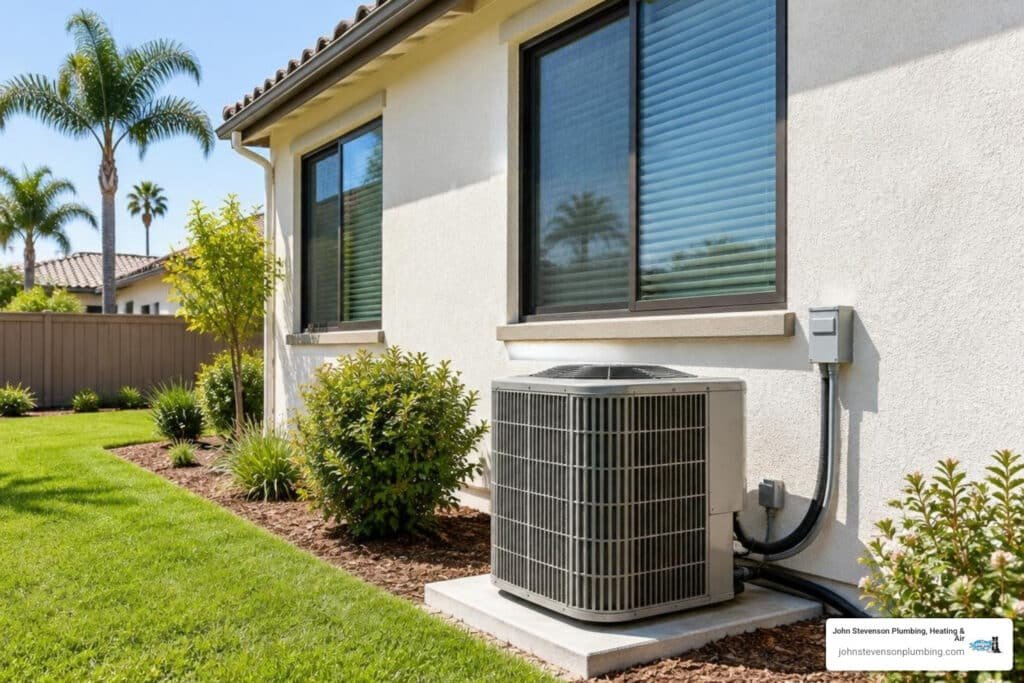
Summer Cooling Tips to Lower Energy Bills in Carlsbad, CA
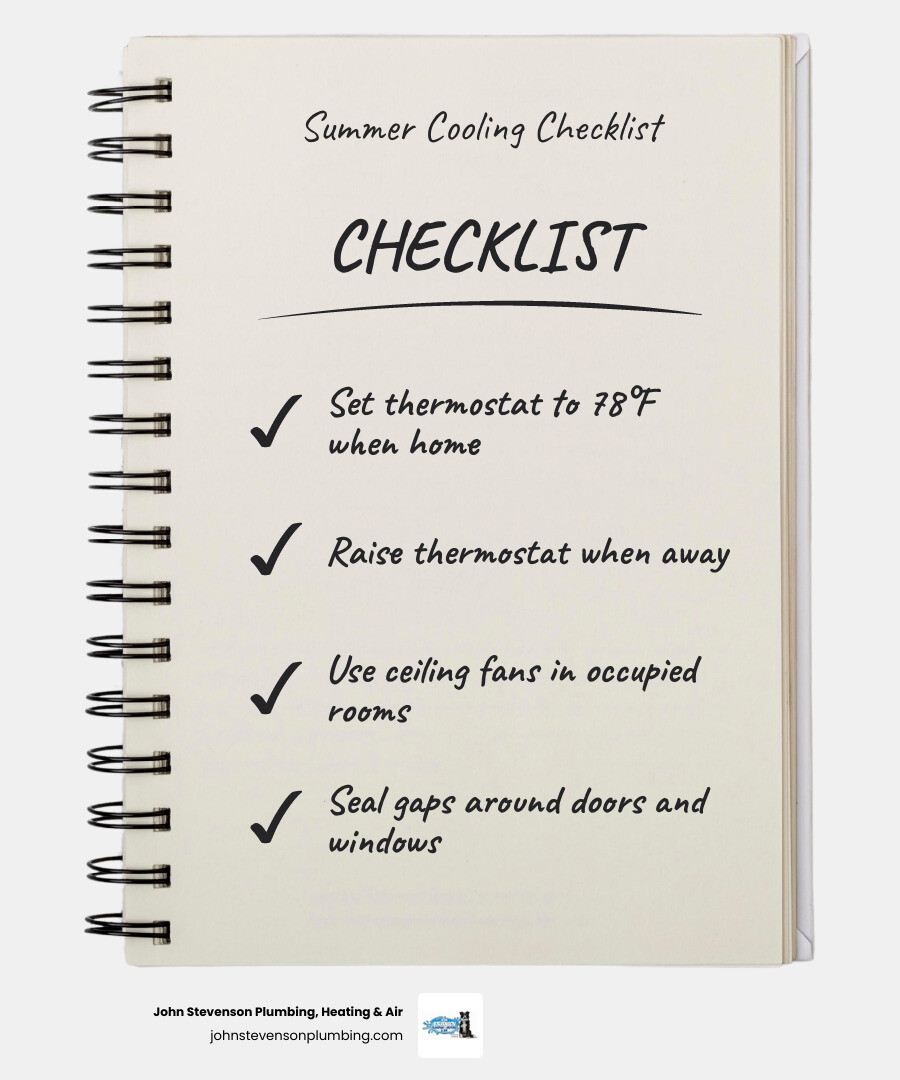
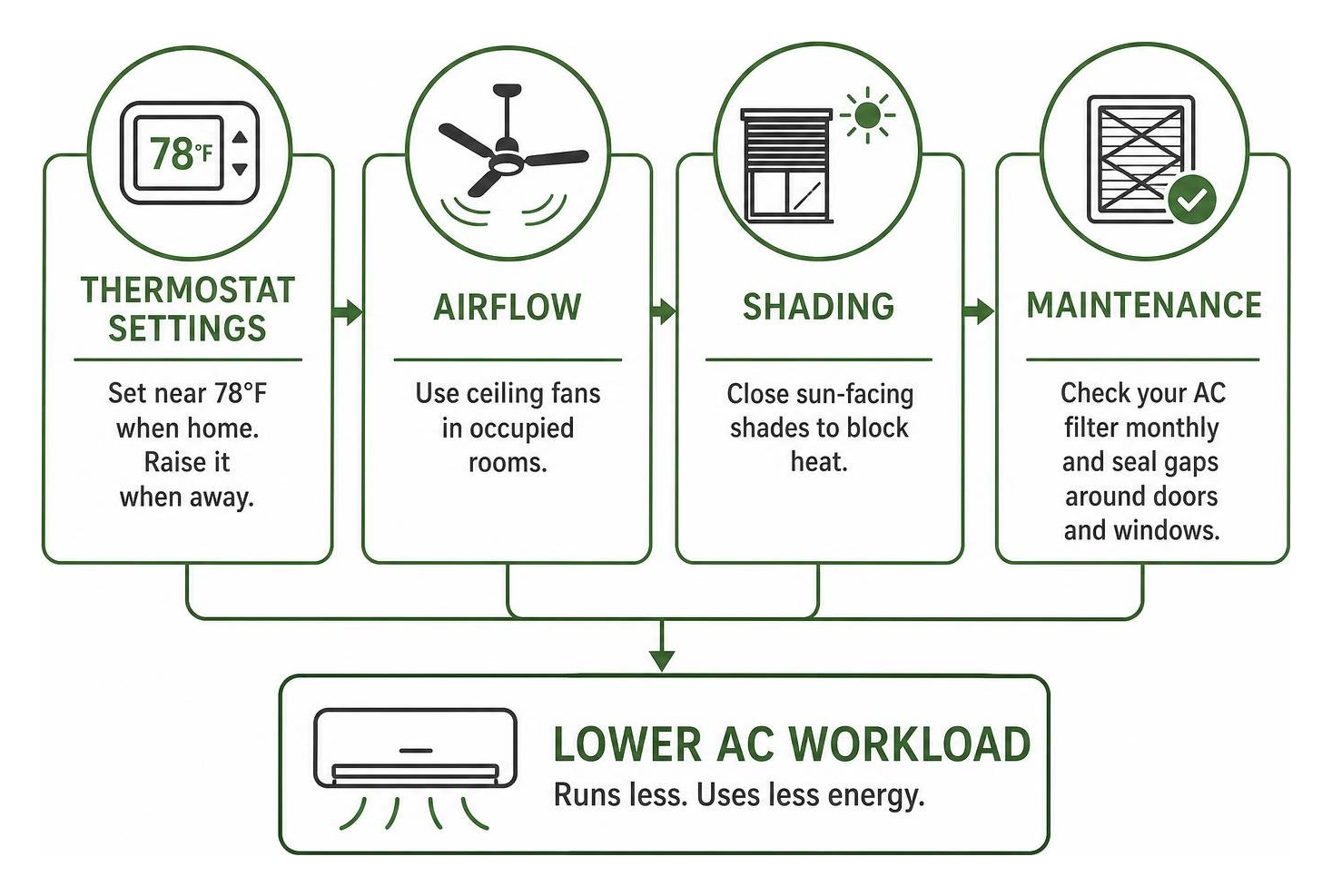
Set your thermostat near 78°F when you’re home, raise it when you’re away, and use ceiling fans in occupied rooms. Close sun-facing shades, check your AC filter monthly, and seal gaps around doors and windows. These summer cooling tips can help lower energy bills without giving up comfort. In Carlsbad, CA, afternoon sun can heat rooms quickly, while an AC system with poor airflow may run longer than it needs to. Start with the free changes, then consider AC maintenance if your home still struggles to stay cool.
For more guidance, read our summer AC preparation guide, or explore AC maintenance in Carlsbad.
I’m John Stevenson, and I’ll walk you through practical ways to keep your Southern California home comfortable while using less energy.
If your AC isn’t cooling well, schedule AC maintenance.
Proven Summer Cooling Tips to Lower Energy Bills Across Southern California
Living in Southern California gives us incredible weather, but when peak summer temperatures roll through coastal and inland valleys alike, keeping indoor spaces comfortable can lead to sharp utility spikes. In fact, heating and cooling typically account for nearly half of an average household’s total annual energy consumption. As residential electricity rates rise across our region, taking proactive control of your home’s cooling demand is essential.
Rather than relying solely on your air conditioner to battle the outdoor elements at full blast, you can achieve substantial savings by combining smart equipment operation with passive cooling techniques. Adopting practical habits and implementing proven summer cooling tips to lower energy bills helps protect your comfort and your wallet.
Thermostat Optimization: Core Summer Cooling Tips to Lower Energy Bills
Your thermostat serves as the command center for your entire cooling system. Small, deliberate adjustments to your temperature setpoints can yield noticeable reductions on your monthly electric bill.
- The 78-Degree Benchmark: The U.S. Department of Energy recommends setting your thermostat to 78°F when you are home and awake. Every single degree you lower your thermostat below 78°F adds roughly 3% to your cooling energy consumption. Running your system at 72°F all summer instead of 78°F can increase the cooling portion of your utility bill by up to 18% to 40%.
- The 20-Degree Rule: Standard central air conditioning systems are designed to maintain an indoor temperature roughly 20°F cooler than the outdoor air. Demanding a 40-degree split during extreme heat waves causes the compressor to run continuously without cycling off, leading to excessive wear and elevated energy use.
- Strategic Setback Temperatures: When leaving home for four hours or more, raise the thermostat to 84°F or 85°F. A warmer home absorbs heat at a much slower rate from the outside environment, meaning your system uses far less energy recovering later than it would maintaining a chilly interior all day.
To automate these adjustments seamlessly, explore best thermostat settings for summer. Installing a programmable model allows you to dial in your schedule effortlessly. If you want maximum automation, reviewing smart thermostat benefits for homeowners will show you how Wi-Fi-enabled controls can trim an estimated 8% to 10% off your overall heating and cooling costs every year.
Smart Airflow and Ceiling Fan Strategies
Fans cool people, not rooms. Understanding this simple principle prevents wasted energy while maximizing your personal comfort.

When a ceiling fan rotates counterclockwise, it forces air straight down, creating a gentle breeze across your skin. This wind-chill effect speeds up natural evaporation, making the room feel roughly 4°F cooler than the ambient air temperature.
By running your ceiling fan in occupied living spaces, you can comfortably set your thermostat at 78°F while enjoying the perceived comfort of 74°F. Because running a ceiling fan consumes only a fraction of the electricity required by a central air conditioner compressor, this simple shift reduces wear on your main HVAC system. Remember to turn fans off whenever you leave the room—leaving a fan running in an empty bedroom only circulates air without providing any cooling benefit.
Pre-Cooling and Managing Peak Energy Rates
Many Southern California utility providers utilize Time-of-Use (TOU) rate plans, charging higher rates per kilowatt-hour during peak afternoon and evening windows (typically between 4:00 PM and 9:00 PM). You can use this pricing structure to your advantage through a technique known as pre-cooling.
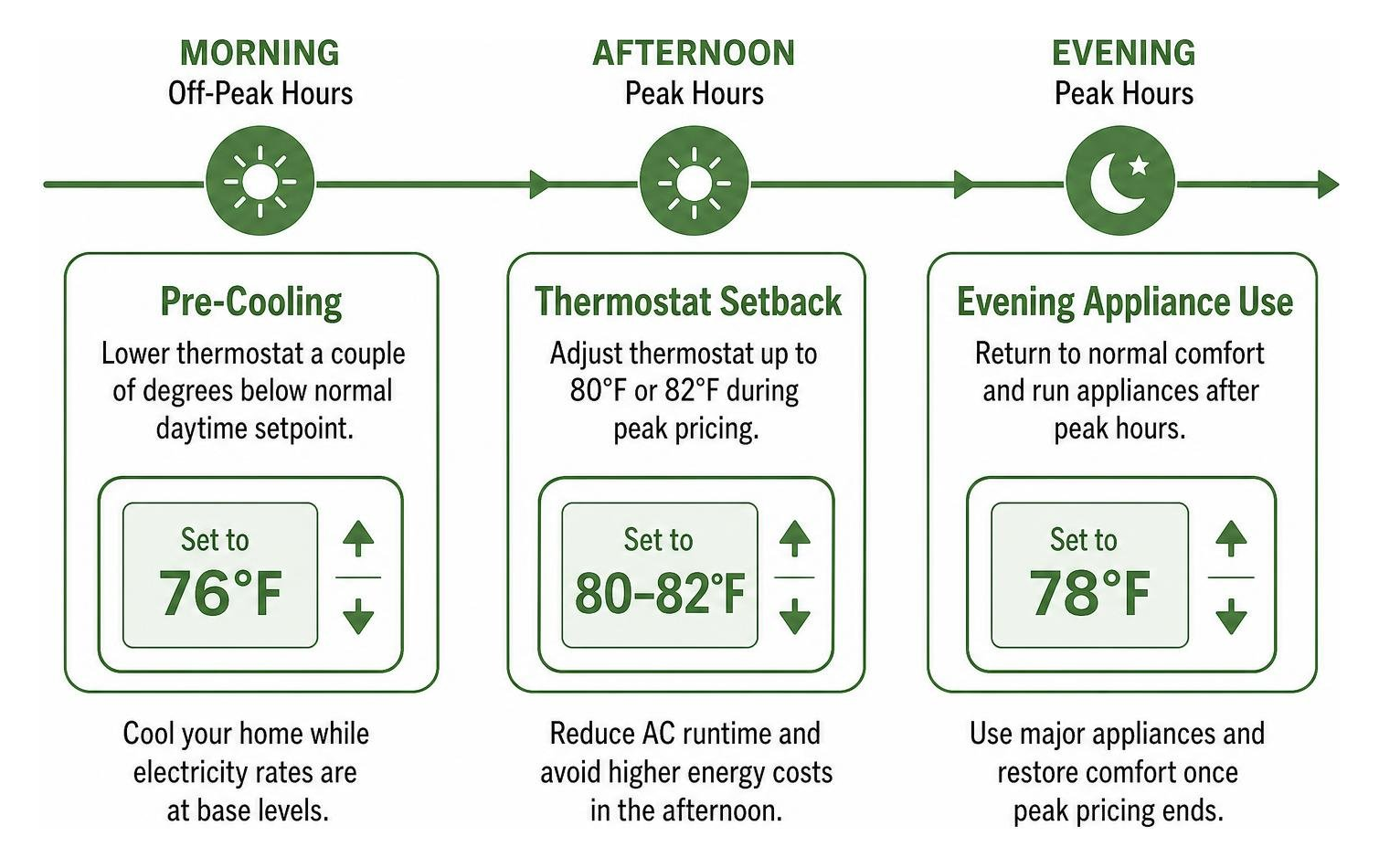
Pre-cooling turns your home’s structural thermal mass into a temporary cooling reservoir:
- Morning Run (Off-Peak Hours): Lower your thermostat a couple of degrees below your normal daytime setpoint during the late morning while electricity rates remain at base levels.
- Afternoon Float (Peak Hours): As peak utility pricing begins in the mid-afternoon, adjust your thermostat up to 80°F or 82°F.
- Thermal Retention: Because your walls, floors, and furniture were thoroughly cooled earlier, your home will gradually absorb heat over several hours without triggering long air conditioning cycles during peak-rate periods.
To master these timing tactics, check out our guide on how to save on electricity during peak summer.
Reducing Indoor Heat Gain and Thermal Transfer
The easiest way to lower cooling costs is to keep heat from penetrating your living space in the first place. When solar radiation warms your interior surfaces, your air conditioner must work twice as hard to remove that thermal energy.
Blocking Solar Heat Gain Through Windows
Up to 30% of unwanted residential heat enters directly through window panes. When summer sunlight hits standard glass, approximately 76% of that radiant energy transforms straight into indoor heat.
Unprotected south- and west-facing windows can transfer as much heat into a room as an active space heater during sunny afternoons. Closing window treatments before peak sunlight hours (typically 10:00 AM to 4:00 PM) can reduce solar heat gain by up to 45%.
| Window Treatment Type | Estimated Heat Reduction | Key Benefit |
|---|---|---|
| Thermal Blackout Curtains | 33% – 45% | Traps hot air between fabric and glass; easy to close during peak sun |
| Exterior Solar Screens | Up to 30% | Blocks radiant energy before it ever contacts the window pane |
| Low-E Reflective Window Films | 25% – 35% | Reflects infrared spectrums while preserving natural outdoor light |
| Standard Interior Blinds | 15% – 20% | Deflects direct sunlight toward ceilings; highly adjustable |
Sealing Building Envelope Leaks and Air Infiltration
A drafty building envelope allows conditioned indoor air to escape while drawing hot, humid outdoor air inside. Leaks around window frames, entry doors, plumbing penetrations, and attic access hatches can force an air conditioning system to run 10% to 20% longer during each cooling cycle.
You can seal your home with a few simple, cost-effective steps:
- Apply Foam Weatherstripping: Line the perimeter of drafty exterior doors and operable window sashes to block hot air leaks.
- Install Door Sweeps: Attach heavy-duty sweeps along the bottoms of exterior doors to prevent cool air from spilling out across thresholds.
- Caulk Gaps Around Frames: Seal perimeter gaps around exterior window mouldings with high-grade exterior silicone or acrylic latex caulk.
- Add Outlet Gaskets: Install insulating foam gaskets behind switch plates and electrical outlets located on exterior-facing walls.
Pairing whole-home air sealing with adequate attic insulation can reduce overall heating and cooling energy use by roughly 15%, keeping cool air right where it belongs.
Minimizing Internal Heat Sources and Appliance Use
Your cooling system must overcome not only the outdoor weather, but also the heat generated inside your home. Shifting daily habits away from peak afternoon hours helps lower this internal load:
- Switch to LED Bulbs: Traditional incandescent bulbs emit about 90% of their energy as waste heat. Replacing them with efficient LEDs keeps fixtures cool to the touch while using substantially less electricity.
- Time Heavy Appliances: Avoid running dishwashers, clothes dryers, and ovens between midday and early evening. Instead, run these high-heat appliances late in the evening or early in the morning.
- Grill Outdoors or Use Countertop Appliances: Baking or boiling food on an indoor range adds significant ambient heat and moisture. Using outdoor grills, microwave ovens, or air fryers keeps excess cooking heat outside.
- Manage Standby Vampire Loads: Electronics left in standby mode continuously generate low-level heat and draw power. Plug home entertainment centers and desktop computers into smart power strips that cut power when devices are idle.
Essential Summer Cooling Tips to Lower Energy Bills Through Routine Maintenance
Even the most disciplined cooling habits can be undone if your HVAC equipment suffers from restricted airflow or dirty mechanical components. Keeping up with simple preventative maintenance protects overall efficiency and prevents avoidable system breakdowns.
Air Filter Replacement and Airflow Management
Your air filter protects internal components from airborne dust, pet dander, and debris. During heavy summer cooling cycles, a standard 1-inch pleated filter should be inspected and replaced every 30 days.
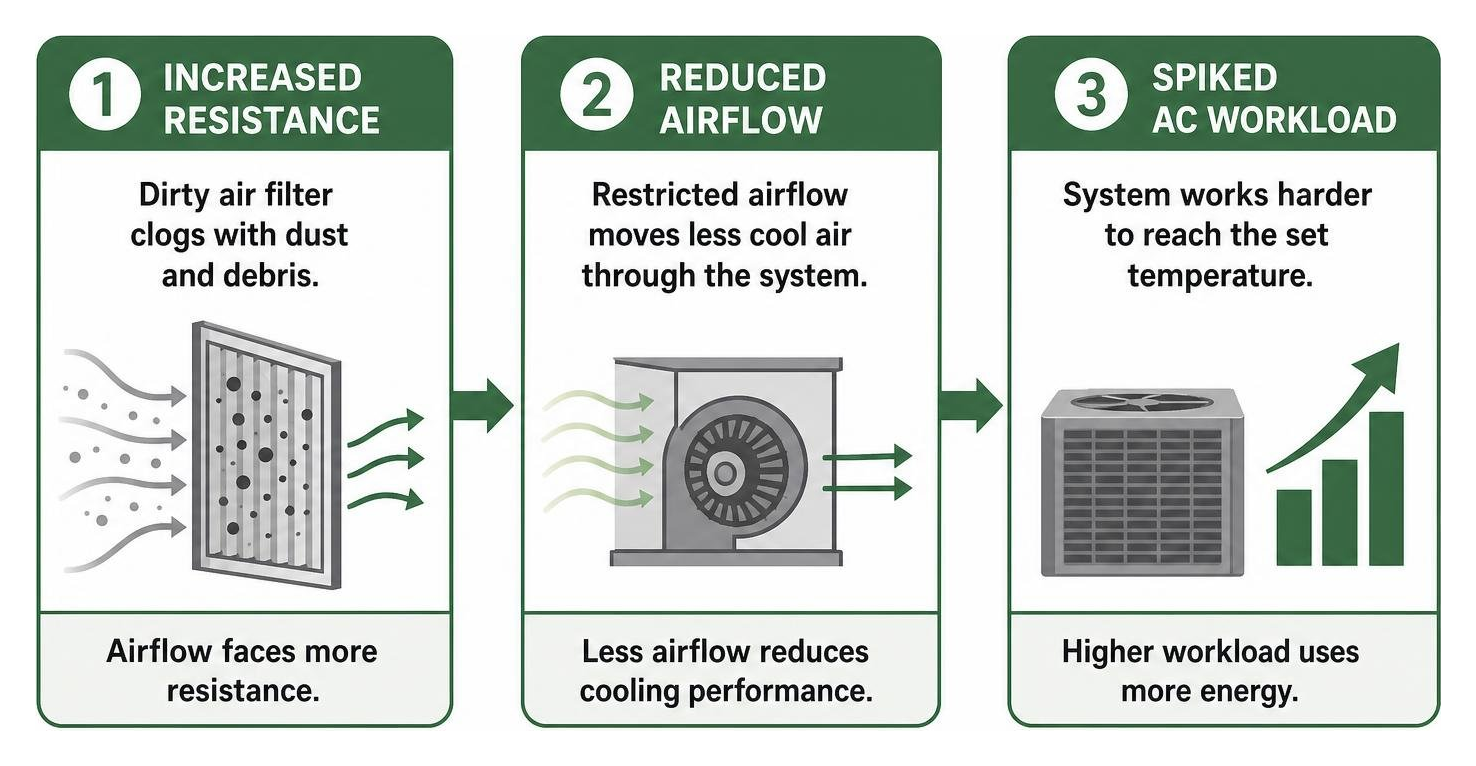
A clogged filter restricts airflow through the system, creating high static pressure. This forces the blower motor to draw more electricity and causes the evaporator coil to struggle with heat absorption, which can lead to ice buildup on the coils.
According to the U.S. Department of Energy, swapping out a dirty, clogged filter for a clean replacement can lower your air conditioner’s energy consumption by 5% to 15%. To protect your cooling equipment over the long term, review these helpful strategies on how to extend the life of your AC unit.
Condenser Coil Care and Outdoor Unit Clearance
The outdoor condenser unit releases the heat your system extracts from inside your home. When outdoor coils become layered with dirt, dust, and coastal debris, their ability to shed that thermal energy drops significantly.
A dirty outdoor condenser coil can reduce overall cooling efficiency by up to 30%, adding 10% to 20% to normal compressor runtimes.
- Maintain at least two feet of clear space around the entire perimeter of the outdoor unit by trimming back bushes, shrubs, and low branches.
- Clear away dried leaves, grass clippings, and accumulated soil from the base of the unit.
- Gently rinse the exterior aluminum fins with a standard garden hose nozzle (never use a high-pressure washer, which can bend delicate fins) to remove surface grime.
For a complete step-by-step checklist on preparing your equipment, read how to prepare your AC for summer in 5 easy steps.
Professional Seasonal AC Tune-Ups
While basic filter changes and perimeter clearing make great DIY tasks, comprehensive HVAC service requires specialized tools and expertise.
During an annual inspection, a certified technician checks refrigerant levels, tests electrical connections, lubricates moving parts, checks airflow across the evaporator coil, and tests the thermostat for accurate calibration. A system with proper refrigerant levels and balanced airflow operates at peak seasonal efficiency, preventing minor wear from turning into an unexpected mid-summer breakdown. To ensure your system is operating at its best, explore our professional AC maintenance services.
Financial Assistance and Budgeting for Summer Utility Spikes
If hot weather leads to high electric bills, several programs and budgeting tools can help you manage summer expenses:
- Utility Budget Billing: Most local energy providers offer level-pay or balanced billing programs. These programs average your annual electricity usage over twelve months, leveling out sharp summer spikes into predictable monthly payments.
- Equipment and Upgrade Rebates: Regional utility companies frequently provide cash rebates when you install energy-saving upgrades, such as smart thermostats, high-efficiency cooling systems, or improved attic insulation.
- Low Income Home Energy Assistance Program (LIHEAP): Eligible households facing high energy bills can apply for federally funded utility support through state and local assistance agencies.
- Professional Home Energy Audits: Many utilities offer low-cost or complimentary home energy assessments to help you pinpoint air leaks, missing insulation, and inefficient equipment throughout your home.
Frequently Asked Questions About Summer Cooling Costs
What is the most cost-effective AC temperature setting in the summer?
The most cost-effective temperature setting for home comfort is 78°F when you are home and awake. If you leave the house for extended periods, raising your thermostat to 84°F or 85°F prevents unnecessary cooling cycles while you are away.
Each degree you set your thermostat below 78°F adds roughly 3% to your overall cooling costs, so keeping your setpoint near 78°F delivers a balanced mix of steady comfort and energy efficiency.
Does running a ceiling fan actually lower the room temperature?
No, ceiling fans do not change the actual temperature of the room. Instead, they cool people by moving air across exposed skin, which enhances natural evaporative cooling.
This breeze makes the room feel approximately 4°F cooler than the actual thermostat reading. Because fans cool people rather than empty spaces, always turn them off when you leave the room to avoid unnecessary electricity use.
How much can I realistically save on my summer electric bill?
By combining several simple, low-cost habits—such as setting your thermostat to 78°F, using ceiling fans, closing window shades during peak sun hours, sealing common air leaks, and replacing dirty filters—most households can reduce the cooling portion of their summer electric bill by 30% to 40%.
These savings build up steadily, helping you enjoy reliable indoor comfort throughout the warmest months of the year while keeping your utility bills manageable.
Conclusion
Managing high summer cooling bills in Southern California does not mean you have to sacrifice indoor comfort. By optimizing your thermostat settings, using ceiling fans correctly, blocking intense solar heat, and keeping up with basic filter changes, you can lower your household energy consumption while keeping your living spaces comfortable.
When you need professional help optimizing your cooling equipment, John Stevenson Plumbing, Heating & Air Conditioning is here for you. We provide dependable HVAC repair, installation, and maintenance across Carlsbad, San Diego County, Orange County, and surrounding communities. Every service call is backed by our 5-Star Service Guarantee—featuring thorough diagnostics, upfront pricing, certified technicians, and 24-hour satisfaction check-ins.
Keep your home comfortable all summer long. Contact our friendly team today to schedule expert AC maintenance in Orange County and San Diego.