
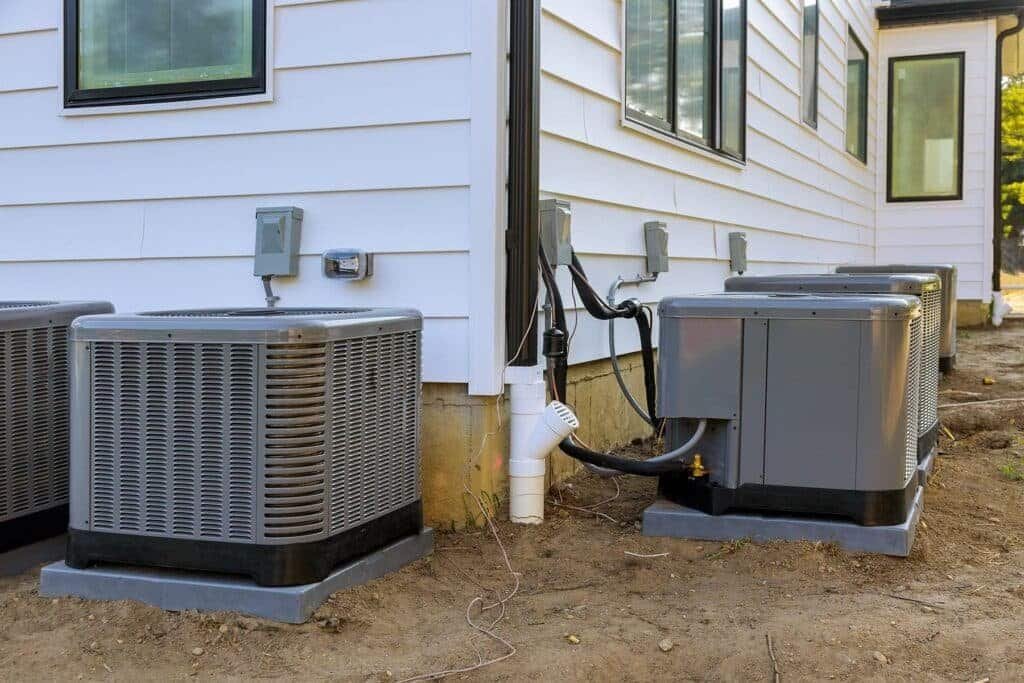
Is It Time? How to Know When Should You Replace Your Central Air Conditioner
Knowing when should you replace your central air conditioner can save you from wasting money on a system that’s quietly failing — or from replacing one that still has good years left. Here in Carlsbad, CA, where summer heat and coastal humidity put real demands on home cooling systems, getting this decision right matters more than most homeowners realize.
Quick Answer: When to Replace Your Central AC
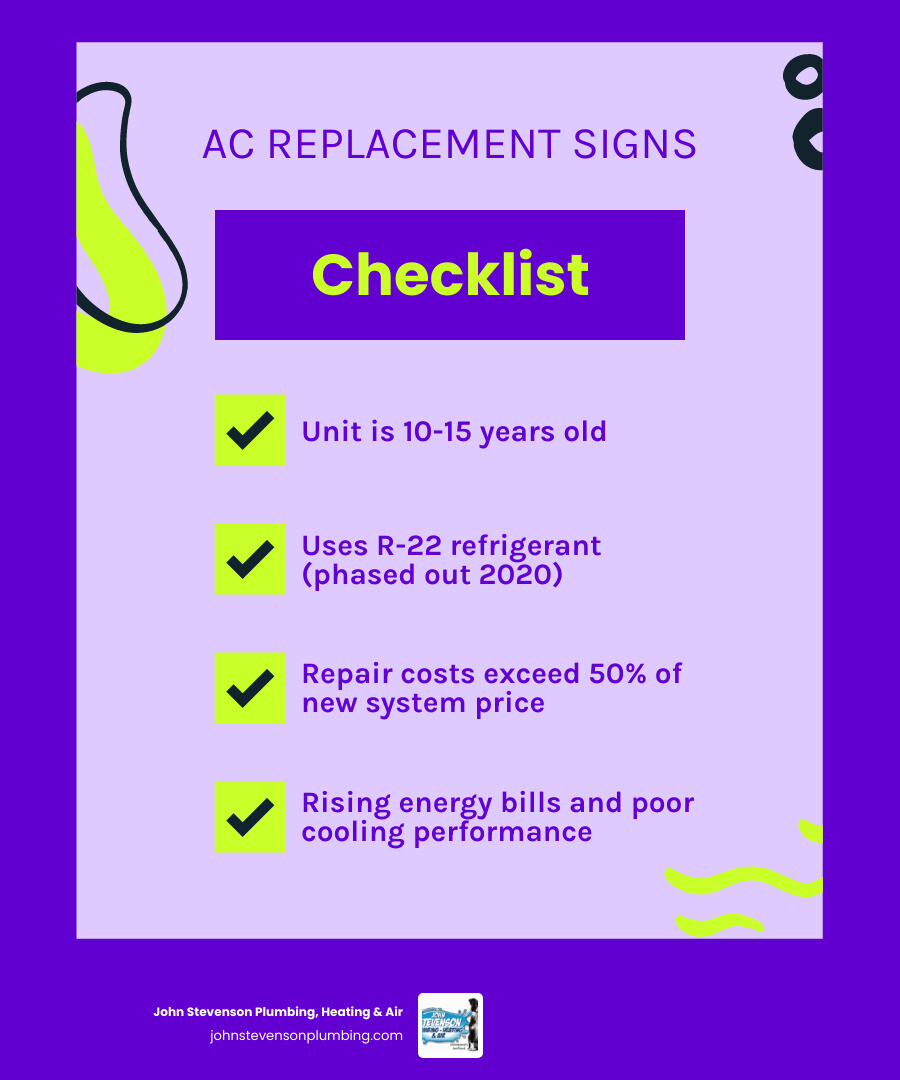
Replace your central air conditioner when one or more of these apply:
- Age: Your unit is 10–15 years old or older
- Refrigerant: It uses R-22 (Freon), which was phased out in 2020
- Repair costs: Repair bills are frequent or the cost of a single repair is high relative to a new system
- Energy bills: Your cooling costs have climbed steadily without a clear cause
- Performance: Your home has hot spots, inconsistent temperatures, or weak airflow
- Noises or odors: The system makes unusual sounds or produces unpleasant smells
- Frozen coils: You’ve noticed ice forming on the unit
Most central AC systems last between 10 and 15 years, though well-maintained units in favorable conditions can reach 15 to 20 years. When repairs become more frequent, efficiency drops, or the system simply can’t keep up with Southern California summers anymore, replacement is usually the smarter long-term investment.
This guide walks you through every factor that should go into that decision — from refrigerant type and energy ratings to the math behind repair-versus-replace — so you can make a confident, informed choice.
Key terms for when should you replace your central air conditioner:
- how long does a central ac system last
- how to extend the life of your ac unit
- signs your ac system is reaching end of life
Key Indicators for When Should You Replace Your Central Air Conditioner
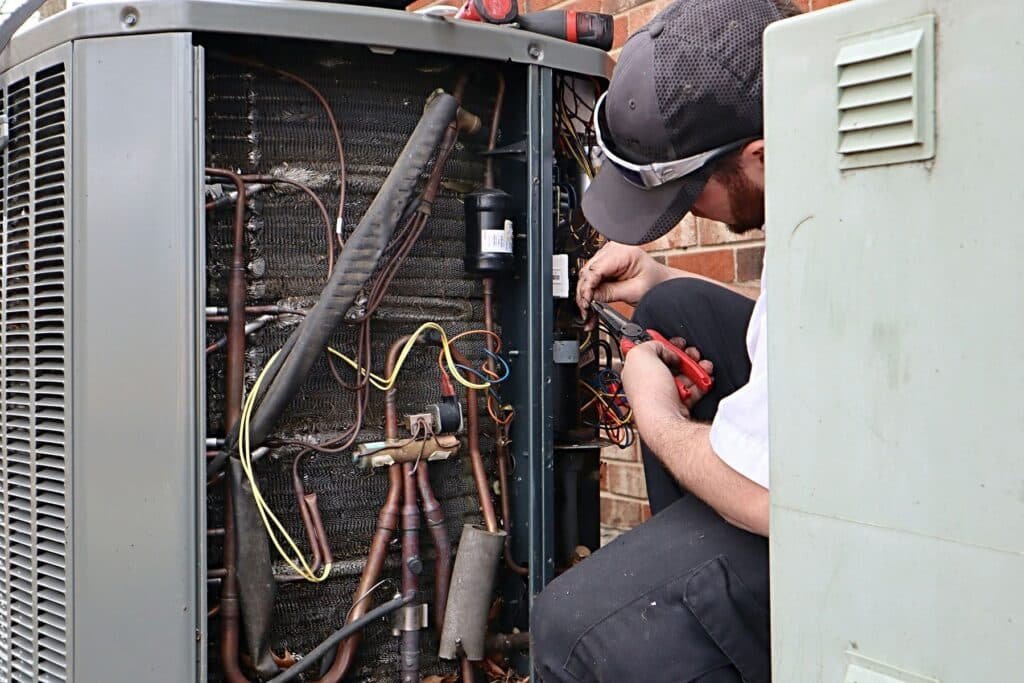
When your central air conditioner starts to fail, it rarely happens all at once. Instead, it sends out subtle (and sometimes not-so-subtle) warnings. Recognizing these indicators early can prevent the nightmare of a complete system breakdown during a blistering Southern California heatwave.
If you are trying to determine whether your cooling system is on its last legs, look closely at these indicators outlined in our guide on Signs Your AC System Is Reaching End of Life 7 Key Indicators:
- Inconsistent Cooling and Hot Spots: If some rooms in your home feel like an icebox while others feel like a sauna, your compressor may be struggling to distribute air evenly.
- Weak Airflow: When you place your hand near a register and only feel a faint whisper of cool air, your blower motor or compressor is likely failing.
- Unusual Noises: Squealing, grinding, scraping, or loud banging sounds indicate that internal components have slipped out of place, bearings are shot, or the compressor is failing.
- Strange Odors: Musty smells point to mold or mildew growth inside the ductwork or evaporator coil, while burning odors indicate failing electrical components.
- Frequent Frozen Coils: If you see ice building up on your indoor evaporator coil or outdoor refrigerant lines, it often indicates a serious refrigerant leak or restricted airflow.
Understanding the Lifespan of Your Cooling System
In the HVAC industry, the consensus is that a central air conditioner has an average lifespan of 10 to 15 years. Modern units, when installed perfectly and maintained meticulously, can sometimes stretch to 15 or 20 years. However, several regional factors influence Will Your AC Survive the Decade Average Lifespans Explained:
- Coastal Air and Salt Corrosion: For our clients in Carlsbad, Encinitas, and Newport Beach, the salty ocean air is a major factor. Salt accelerates the corrosion of the outdoor condenser coils, which can shorten the system’s operational life.
- Inland Heat Demands: In hotter inland communities like Escondido, Poway, and Yorba Linda, air conditioners run longer and harder. This heavy workload naturally accelerates component wear and tear.
- Maintenance History: An air conditioner that receives annual professional tune-ups will always outlast a neglected system. Regular maintenance keeps coils clean and electrical connections tight, reducing stress on the compressor.
The Environmental and Financial Impact of R-22 Refrigerant
If your air conditioner was installed before 2010, there is a very high probability that it uses R-22 refrigerant (commonly known as Freon). Due to its ozone-depleting properties, the U.S. Environmental Protection Agency (EPA) fully phased out the production and import of R-22.
This phase-out creates a massive financial headache for homeowners keeping older systems alive. Because the supply of R-22 is limited strictly to recycled stocks, servicing a system with a refrigerant leak has become incredibly expensive.
When you read The Cold Hard Truth About Fixing Your Ancient Air Conditioner, you will quickly see why investing in a system that relies on an obsolete, environmentally harmful chemical is a losing battle. Upgrading to a modern system that utilizes eco-friendly refrigerants like R-410A (or the latest low-global-warming-potential alternatives) is almost always the more sensible financial and environmental move.
The Repair vs. Replace Decision Framework
Deciding whether to call for another repair or to invest in a complete replacement is one of the most common dilemmas homeowners face. To make an objective decision, it helps to look at the math and compare the long-term benefits of both routes.
Before making a move, we recommend Doing the Math on Old AC Repair vs Buying a New System. The table below outlines how key variables stack up when deciding between keeping your existing system or opting for a replacement.
| Decision Factor | When to Choose AC Repair | When to Choose AC Replacement |
|---|---|---|
| System Age | Under 10 years old | Over 12 to 15 years old |
| Refrigerant Type | Modern, supported refrigerant | Obsolete R-22 (Freon) |
| Repair History | Rare, minor issues (e.g., a bad capacitor) | Frequent breakdowns (3+ in the last 3 years) |
| Energy Bills | Stable or only slightly elevated | Skyrocketing despite regular maintenance |
| Core Components | Compressor and coils are healthy | Failed compressor, cracked heat exchanger, or leaking coils |
| Home Ownership Plans | Planning to move within 1–2 years | Planning to stay in the home long-term |
Applying the Mathematical Formula to Determine When Should You Replace Your Central Air Conditioner
Instead of relying on guesswork, the HVAC industry uses a reliable guideline known as the $5,000 Rule to help homeowners evaluate their options.
To use this formula:
- Determine the exact age of your central air conditioner.
- Obtain a written repair estimate for the current malfunction.
- Multiply the age of the unit by the cost of the repair.
If the resulting number is greater than 5,000, replacement is generally the more cost-effective decision. If the number is less than 5,000, proceeding with the repair is usually the smarter move.
For example, if you have an 8-year-old system facing a minor repair, multiplying those numbers yields a sum well below the threshold, making repair the clear winner. However, if you have a 12-year-old system facing a major component replacement, the math will easily exceed the 5,000 threshold, signaling that it is time to retire the unit.
For a deeper dive into this decision-making process, check out our guide on How to Decide If Your AC Needs a Tune-Up or a Retirement Party.
Evaluating Energy Efficiency and SEER2 Ratings
Your monthly utility bills are a direct reflection of your air conditioner’s efficiency. Heating and cooling make up a massive portion of residential energy use. If your system is over a decade old, it likely operates on an older SEER (Seasonal Energy Efficiency Ratio) scale, often rated between 10 and 13.
In 2023, the Department of Energy transitioned to stricter testing standards known as SEER2. Modern central air conditioners boast SEER2 ratings ranging from 15 to over 20.
Upgrading an old SEER 10 system to a modern SEER2 system can reduce your cooling electricity consumption by 20% to 50%. Over the course of our long, warm Southern California summers, those monthly savings add up significantly. When researching your options, knowing What to Look For When Buying a New AC Unit will help you find the perfect balance between upfront equipment specifications and long-term energy savings.
Planning Your System Upgrade and Maximizing Efficiency
Once you decide that replacement is the correct path, the planning phase begins. A successful installation requires much more than simply swapping out the old metal box for a new one.
First, your contractor must perform a Manual J load calculation. This industry-standard calculation determines the exact cooling capacity your home needs based on square footage, insulation levels, window orientation, local climate, and home occupancy.
An oversized system will cycle on and off rapidly (short-cycling), which wears out components and fails to remove humidity from the air. An undersized system will run continuously, driving up your energy bills and failing to keep you cool.
Additionally, once your new system is installed, learning How to Extend the Life of Your AC Unit through regular filter changes, keeping the outdoor condenser clear of debris, and scheduling annual maintenance will protect your new investment for years to come.
Deciding When Should You Replace Your Central Air Conditioner and Furnace Together
One of the most common questions we receive is whether it is necessary to replace the gas furnace at the same time as the central air conditioner. While it is technically possible to replace only the AC, there are several compelling reasons to replace both systems together:
- Matched System Efficiency: Air conditioners and furnaces share the same blower motor (located inside the furnace or air handler). If you connect a brand-new, high-efficiency AC condenser to an old, inefficient furnace blower, the AC will never achieve its rated SEER2 efficiency.
- Reduced Labor Overhead: Replacing both systems during a single visit is significantly more efficient than scheduling two separate installations years apart.
- Warranty Protection: Manufacturers design indoor and outdoor components to work in harmony. Matched systems experience fewer operational conflicts, ensuring your manufacturer warranty remains fully valid.
- Financial Incentives: Bundling your system replacement often qualifies you for higher utility rebates, manufacturer promotions, and federal tax credits (such as those for energy-efficient home upgrades).
Frequently Asked Questions About AC Replacement
How long does a central AC system typically last in Southern California?
In Southern California, a central air conditioning system typically lasts between 10 and 15 years. In coastal areas like Carlsbad, Oceanside, and Del Mar, salt air corrosion can shorten this lifespan closer to 10 years if the condenser coils are not rinsed regularly. Inland areas like San Marcos and El Cajon experience higher run times due to summer heat, which can also accelerate wear on mechanical components.
What are the signs that my air conditioner is failing?
The most common signs of a failing air conditioner include weak airflow, warm air blowing from the vents, frequent breakdowns, skyrocketing energy bills, unusual clanking or squealing noises, musty or burning odors, and pooling water or ice around the unit. If your system exhibits multiple symptoms, it is likely reaching the end of its operational life.
Is it better to replace the AC and heating system at the same time?
Yes, in most cases, it is highly recommended to replace both systems simultaneously. Because the furnace and air conditioner share the same indoor air distribution system, installing a matched system ensures optimal energy efficiency, lower labor installation overhead, and prevents an old, failing furnace from compromising your brand-new air conditioner’s performance.
Conclusion
Deciding when should you replace your central air conditioner is an important step toward securing long-term indoor comfort, lower utility bills, and peace of mind. By paying close attention to your system’s age, performance, and repair history, you can make a proactive decision before an unexpected breakdown leaves you stranded in the summer heat.
At John Stevenson Plumbing, Heating & Air Conditioning, Inc., we are proud to serve Carlsbad, San Diego County, and Orange County with professional, dependable HVAC services. Our technicians are fully certified, and we back our work with our signature 5-Star Service Guarantee—which includes thorough diagnostics, upfront pricing, and a 24-hour satisfaction check-in to ensure your home remains perfectly comfortable.
If your air conditioner is struggling to keep up, don’t wait for complete system failure. Schedule professional HVAC services in Carlsbad and Orange County with our friendly team today, and let us help you find the perfect cooling solution for your home.