
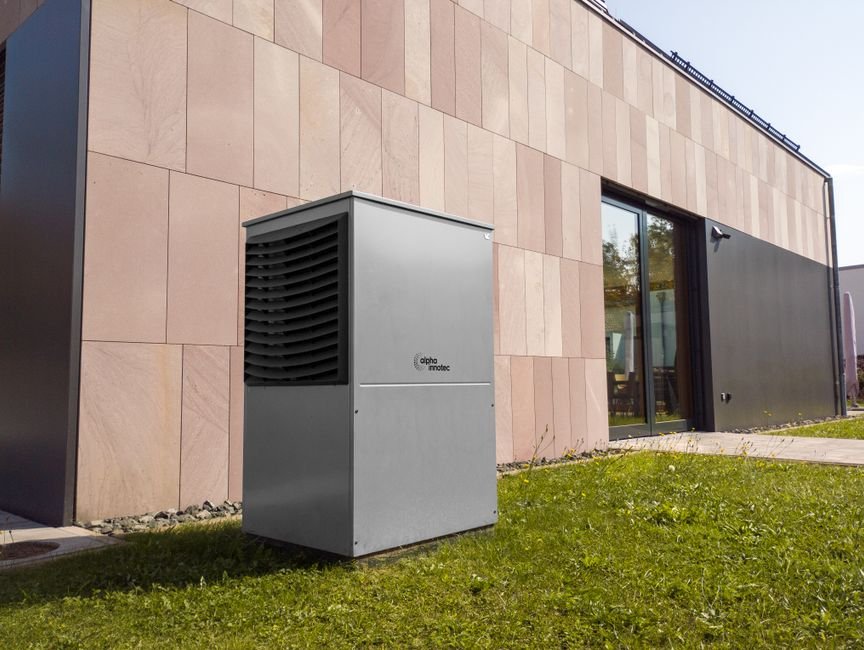
Heat Pump Installation in Carlsbad, CA: Is a Heat Pump or Furnace Better?
For many Carlsbad homes, a heat pump is the better choice if you need both heating and cooling. A gas furnace may make more sense if your AC still works well and you prefer hotter air from your vents. If you are considering heat pump installation in Carlsbad, CA, the choice comes down to your current equipment, comfort needs, and local electricity and gas rates. A heat pump can handle Carlsbad’s mild winters and cool your home in summer. You do not need to keep a gas furnace just because you have one now, but your home and ductwork should be checked before you switch.
Explore Carlsbad heating services or learn about heat pump installation.
I’m John Stevenson, and our team can help you find the right heating option for your home.
How Heating Systems Work: Heat Transfer vs. Gas Combustion
To decide between these two systems, it helps to understand their fundamental mechanics. A gas furnace works through fuel combustion. When your thermostat calls for heat, natural gas ignites within a sealed burner assembly, warming a metal heat exchanger. The indoor blower motor then pushes air across the exterior of this exchanger, distributing heated air throughout your home’s ductwork. Exhaust gases created during combustion are vented safely out of your roof or sidewall.
A heat pump operates on an entirely different principle: heat transfer. Instead of creating warmth by burning fossil fuels, it utilizes an advanced refrigeration cycle to collect ambient thermal energy from the outside air and transfer it indoors. Even when outdoor air feels brisk during a coastal Carlsbad evening, it still contains usable heat energy. The system circulates refrigerant between an outdoor compressor unit and an indoor air handler, shifting warmth where it is needed.
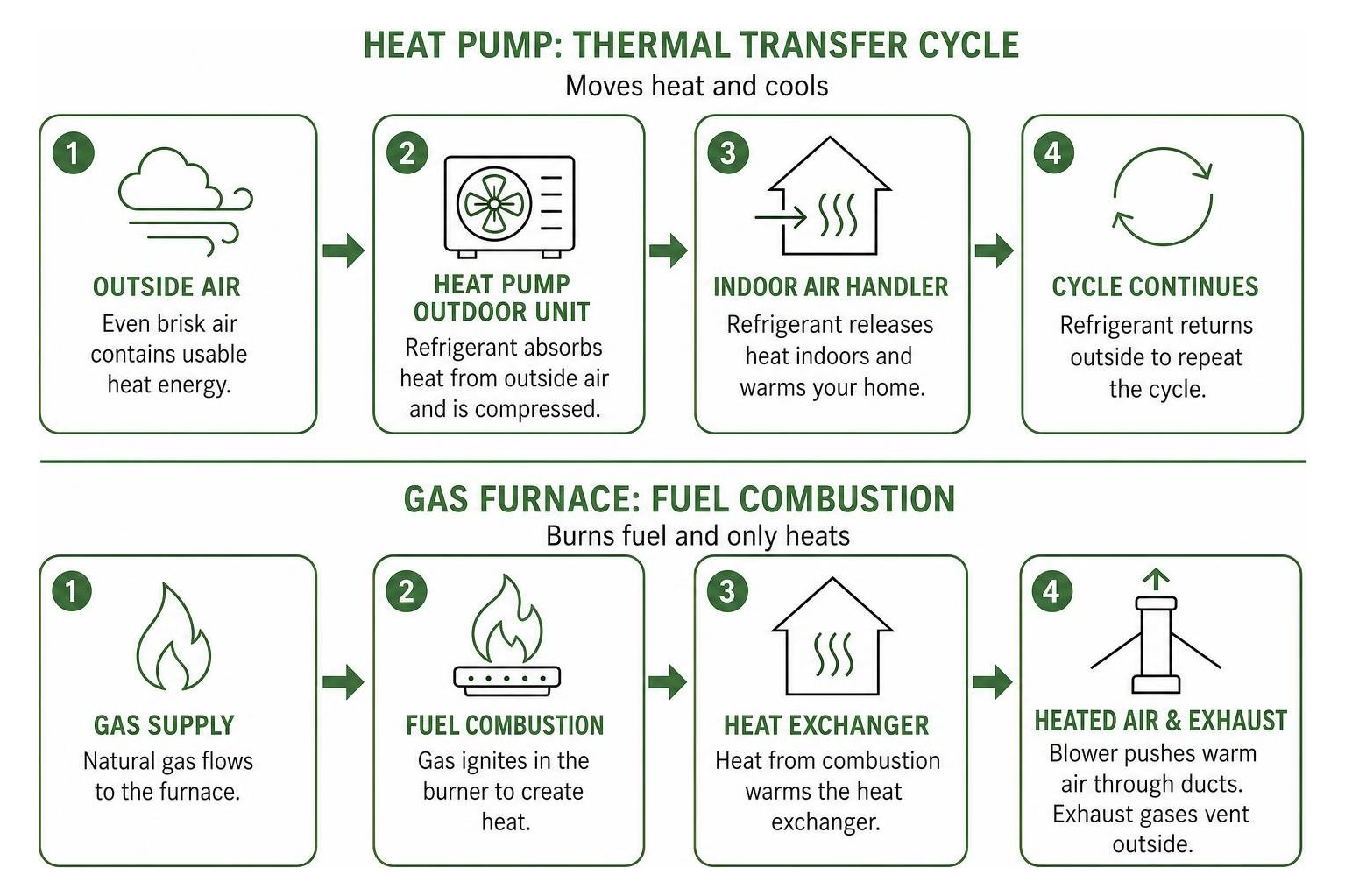
Because heat pumps rely on transferring thermal energy rather than igniting gas, they provide an all-electric heating and cooling solution. When summer arrives, a reversing valve alters the refrigerant flow, extracting heat from indoor air and rejecting it outdoors—functioning identically to a central air conditioner. You can explore the simple way a heat pump heats and cools your home to see why this reversible mechanism delivers continuous climate control without burning fuel inside your living space.
Heat Pump vs Furnace: Which Is Better for Energy Efficiency and Comfort?
Energy efficiency measurements differ between these systems. A gas furnace is rated by Annual Fuel Utilization Efficiency (AFUE), which measures the percentage of fuel converted into usable household warmth. Standard furnaces operate around 80% AFUE, while top-tier condensing models achieve 95% to 98.5% AFUE. The remaining percentage escapes through the exhaust flue as waste heat.
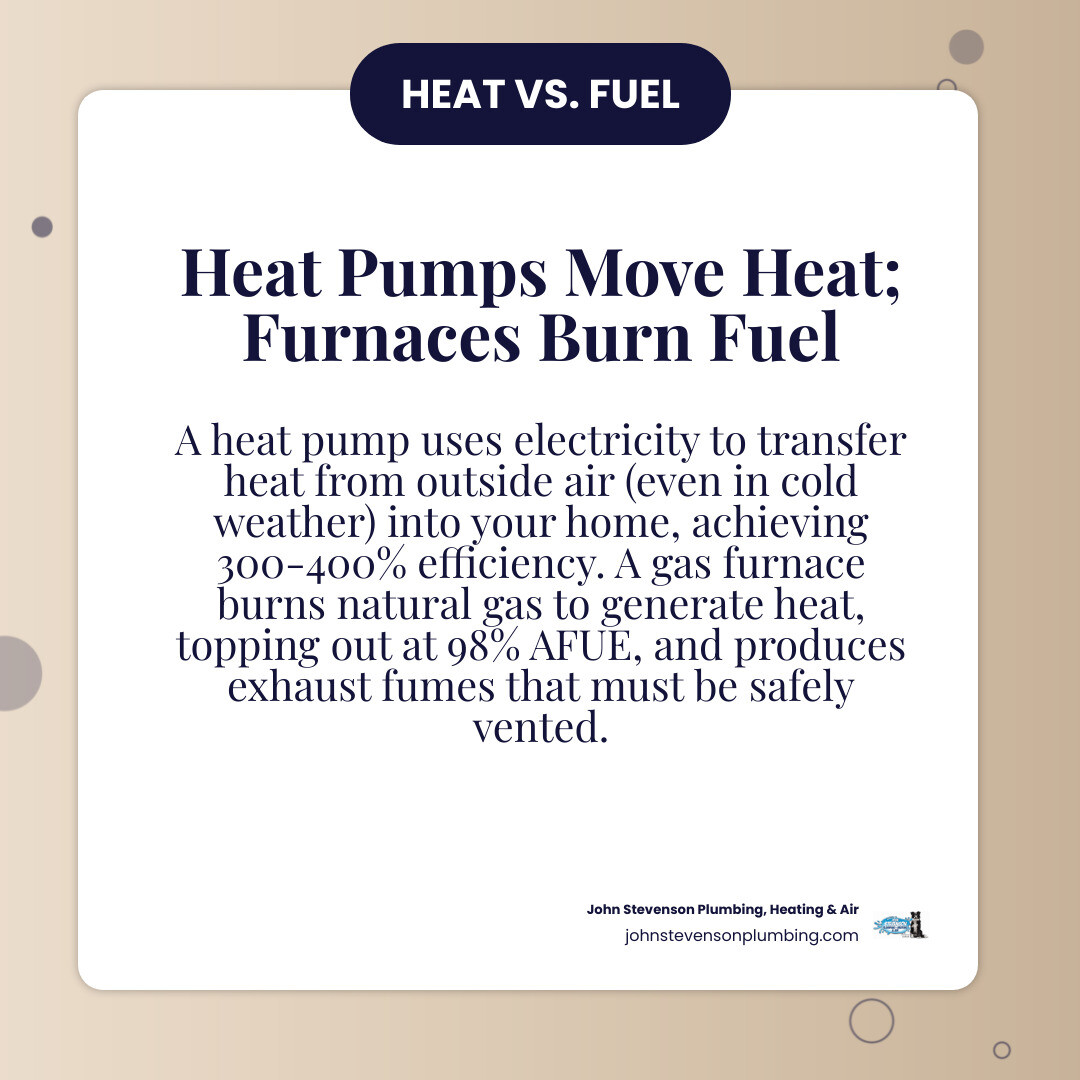
In contrast, electric heat pumps are measured using the Coefficient of Performance (COP) or Heating Seasonal Performance Factor (HSPF2). Because they move heat rather than produce it, heat pumps routinely deliver 3 to 4 units of thermal energy for every single unit of electrical energy consumed. This translates to an effective efficiency of 300% to 400%, far exceeding the theoretical 100% maximum of fuel-burning appliances.
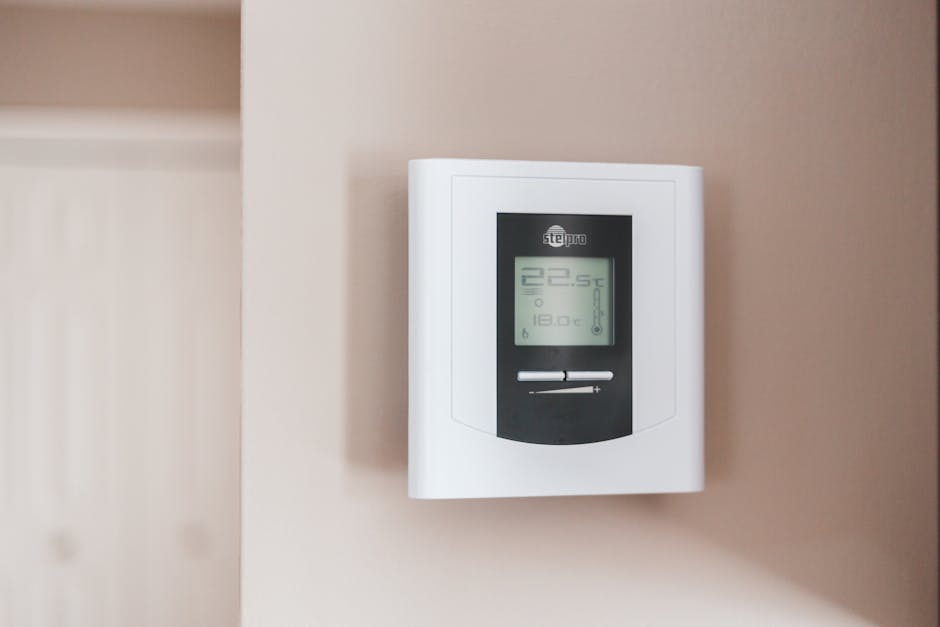
This efficiency difference directly shapes day-to-day comfort. High-efficiency heat pumps with variable-speed inverter compressors adjust their output incrementally. Instead of cycling on and off at full blast, they run continuously at lower speeds, maintaining uniform indoor temperatures without noticeable hot and cold spots.
The Quality of Heat: Forced Hot Air vs. Gentle, Steady Warmth
One noticeable distinction between these systems is the sensation of the air emerging from your supply registers:
- Gas Furnace Air Delivery: A gas furnace produces intense, short bursts of heat, with supply air temperatures typically ranging from 120°F to 140°F. While this heats a chilly room rapidly, it often causes temperature swings and dries out indoor air, leading to static electricity and irritated sinuses.
- Heat Pump Air Delivery: A heat pump delivers steady, gentle warmth, with air leaving registers at around 90°F to 100°F—just above normal human body temperature. Air circulation is continuous, maintaining stable relative humidity levels so your living spaces feel cozy and humidified without requiring separate moisture-adding appliances.
Heat Pump vs Furnace: Which Is Better for Southern California Homes?
When homeowners ask which is better, a heat pump or a furnace, local climate serves as the deciding factor. Southern California’s coastal and inland communities rarely face sub-freezing winter weather. In areas like Carlsbad, Encinitas, Oceanside, and San Marcos, winter overnight temperatures typically stay well above 40°F.
Heat pumps achieve their highest operating efficiency in moderate climates. Because outdoor air along coastal North County remains mild throughout December and January, an electric heat pump operates near peak efficiency all winter. Understanding heat pumps for Southern California highlights how these systems are purpose-built for our regional temperature profile.
| System Type | Primary Fuel Source | Efficiency Rating Range | Carlsbad Winter Suitability | Summer Cooling Capability |
|---|---|---|---|---|
| Electric Heat Pump | Electricity | 300% – 400% COP (HSPF2 up to 12.5+) | Exceptional; optimal performance in mild coastal weather | Yes (Full central AC built-in) |
| Gas Furnace | Natural Gas | 80% – 98.5% AFUE | Strong, but produces surplus heat for mild climates | No (Requires standalone AC unit) |
| Dual-Fuel Hybrid | Electricity + Gas | Combined COP + AFUE optimization | High; automatically switches based on outdoor temps | Yes (Utilizes heat pump for cooling) |
Which Is Better, a Heat Pump or a Furnace, for Long-Term Efficiency?
Evaluating long-term performance requires looking at both installation scope and ongoing utility consumption. Operating expenses depend heavily on regional fuel structures. In San Diego County and Orange County, electricity and natural gas rates follow distinct tiering structures.
Because heating accounts for roughly 45% of the average home’s total energy consumption, optimizing efficiency delivers meaningful utility savings. Switching from older heating systems to a variable-speed heat pump can reduce overall heating and cooling energy usage by up to 50%. Homeowners who pair a heat pump with existing rooftop solar panels can offset electric heating consumption almost entirely, making all-electric heat transfer financially attractive. Reviewing the definitive guide to heat pump benefits for homeowners provides deeper insight into managing operational efficiency across changing seasons.
Year-Round Versatility: Combining Heating and Cooling in One System
A primary advantage of upgrading to a heat pump is system consolidation. A gas furnace is exclusively a heating device; cooling your home requires maintaining a separate central air conditioner that shares the furnace’s indoor blower motor.
A heat pump fulfills both roles with a single outdoor condenser and indoor air handler. If your current air conditioner is aging or failing, replacing both pieces of equipment with a single heat pump eliminates redundant machinery. Our complete range of cooling services ensures your home stays comfortable during warm inland summer days while utilizing the exact same equipment that provides winter heating.
Comparing Lifespan, Maintenance, and Environmental Impact
Every mechanical system requires diligent care to sustain efficiency and maximize operating longevity. Because furnaces and heat pumps distribute air differently, their service schedules reflect their distinct functional components.
To keep either system operating safely and efficiently, homeowners should schedule seasonal tune-ups. Booking san diego hvac services heat pump maintenance ensures refrigerant levels, electrical connections, and outdoor coils are fully dialed in before weather shifts. For gas systems, following the ultimate checklist for furnace maintenance in carlsbad ca keeps burners clean, vents unobstructed, and heat exchangers structurally sound.
Equipment Longevity and Seasonal Maintenance Requirements
- Equipment Lifespan: Gas furnaces generally last 15 to 20 years because they operate only during cold winter months. Heat pumps typically last 10 to 15 years because they handle both heating in winter and cooling in summer, doubling their annual runtime.
- Heat Pump Servicing: Maintenance focuses on outdoor coil cleanliness, airflow balance, electronic reversing valve testing, condensate drain clearing, and refrigerant charge verification.
- Furnace Servicing: Technicians inspect the burner assembly, clean the flame sensor, inspect the flue venting for carbon monoxide safety, and test the physical integrity of the heat exchanger to prevent hazardous gas leaks.
Reducing Household Carbon Emissions in 2026
Home electrification plays a key role in regional environmental initiatives across Southern California. Residential space heating represents a large portion of a household’s direct fossil fuel consumption.
Switching from a gas furnace to an electric heat pump can reduce a home’s heating carbon footprint by 38% to 53%. As California’s power grid incorporates higher proportions of wind, solar, and hydro energy, your heat pump automatically becomes cleaner over time. For homes equipped with rooftop solar arrays, running a heat pump allows for near-zero-emission heating and cooling throughout the entire year.
2026 Incentives, Rebates, and Dual-Fuel Hybrid Options
As of October 2026, state and local programs actively encourage homeowners to transition to clean, energy-efficient heat pump technology. While federal tax credits under previous legislative frameworks have evolved, localized utility programs continue to offer financial incentives for high-efficiency electric upgrades.
In Southern California, san diego homeowners can save big on heat pumps with sdge incentives that reduce the net investment required for qualifying equipment. These utility-driven programs make modern variable-speed equipment more accessible for Carlsbad and North County residences.
When a Dual-Fuel Hybrid System Makes Sense
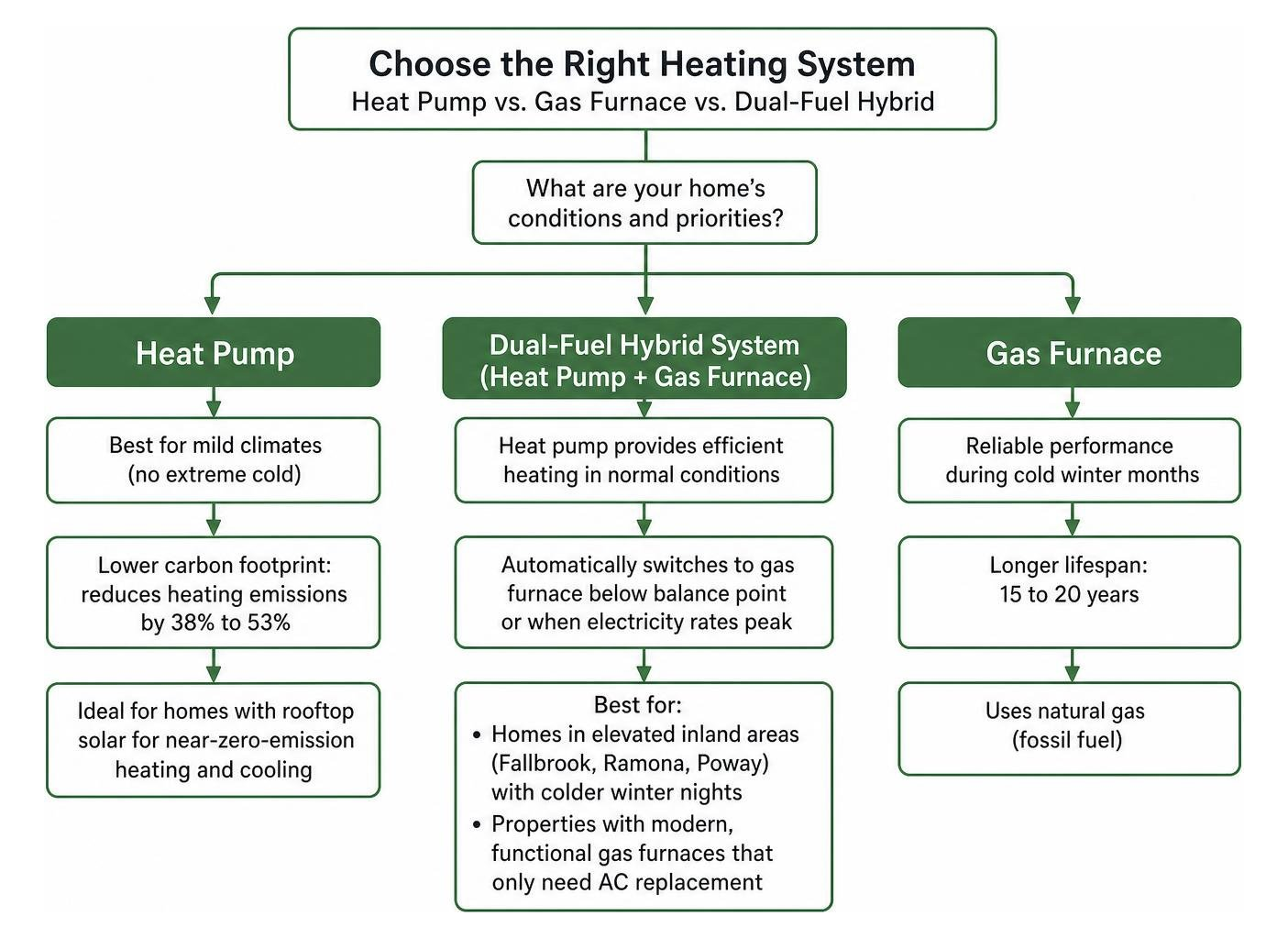
A dual-fuel (or hybrid) system pairs an electric heat pump with a high-efficiency gas furnace. Under normal conditions, the heat pump provides gentle, highly efficient heating. If outdoor temperatures drop below an automated balance point—or during periods when electricity rates peak—the system automatically switches over to the gas furnace.
This configuration is particularly advantageous for:
- Homes in elevated inland areas (such as Fallbrook, Ramona, or Poway) that experience colder winter nights.
- Properties with modern, functional gas furnaces that only need an air conditioning replacement.
- Homeowners who want the peace of mind of gas heat without missing out on the efficiency of an electric heat pump during mild weather.
Evaluating Upfront Investment and Rebate Savings
Transitioning from gas heating to an electric heat pump requires evaluating your home’s existing infrastructure. A certified technician will assess your electrical service panel to confirm it has sufficient amperage capacity for the heat pump compressor and auxiliary heat strips.
Ductwork sizing and insulation levels must also be inspected. Heat pumps circulate a steady, higher-volume airflow compared to high-heat gas furnaces, meaning properly sealed and sized ductwork is essential for quiet, efficient operation. Factoring in local utility rebates, solar generation offsets, and reduced equipment redundancy provides a clear picture of overall value.
Frequently Asked Questions About Heat Pumps and Furnaces
Can a heat pump completely replace my gas furnace in Carlsbad?
Yes. Carlsbad’s mild coastal climate makes it ideal for complete heat pump conversions. Modern variable-speed heat pumps maintain full heating capacity well below freezing, easily handling local winter lows without requiring a backup gas furnace.
Why are heat pumps considered more energy-efficient than high-efficiency furnaces?
Furnaces must burn fuel to generate heat, capping their theoretical efficiency below 100% (with top units reaching around 98.5% AFUE). Heat pumps do not create heat; they transfer existing thermal energy from the outdoors into your home. This process allows them to achieve 300% to 400% efficiency, delivering three to four times more heat energy than the electricity they consume.
Do heat pumps cause high electric bills during winter?
When sized and installed correctly, a modern inverter heat pump operates smoothly without causing drastic utility spikes. In mild climates, their high COP keeps electricity consumption modest. Homeowners with rooftop solar systems can further minimize seasonal electric bills by generating their own clean energy.
Conclusion
Choosing between a heat pump and a gas furnace comes down to your home’s layout, your comfort preferences, and your long-term energy goals. While gas furnaces deliver familiar, fast-acting heat, electric heat pumps provide unmatched energy efficiency, continuous year-round comfort, and integrated air conditioning tailored for Carlsbad and Southern California living.
At John Stevenson Plumbing, Heating & Air Conditioning, our licensed and certified technicians take the guesswork out of your HVAC decisions. Backed by our signature 5-Star Service Guarantee, we provide thorough diagnostics, clear recommendations, and 24-hour satisfaction check-ins on every installation and service call. Whether you want to explore modern heating services heat pumps, tune up your existing gas furnace, or evaluate a hybrid setup, our team is here to ensure your home stays comfortable in every season. Contact us today to schedule your comprehensive home comfort assessment.