
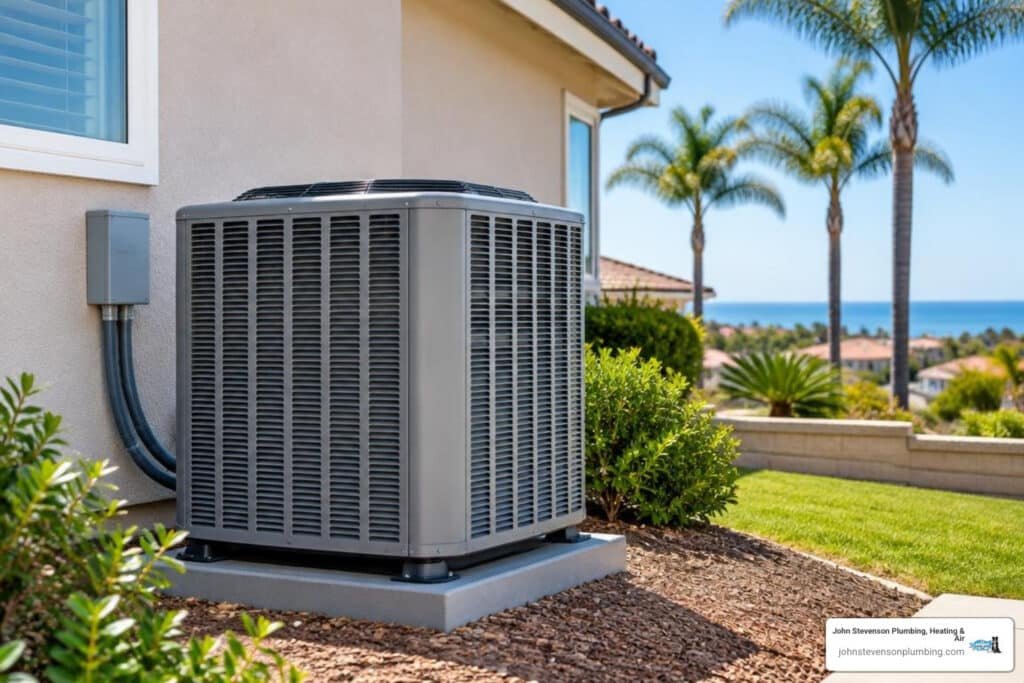
Is a Heat Pump Better Than a Furnace in California for Carlsbad Homes?
For many Carlsbad, CA, homes, a heat pump is a better fit than a gas furnace. It heats and cools with one system and works well in mild winters. But whether a heat pump is better than a furnace in California depends on your home and utility rates. A heat pump uses less energy to deliver heat, yet that does not always mean lower bills when electricity rates exceed gas rates. If your furnace or air conditioner needs replacing, compare both options based on your insulation, existing equipment, and heating and cooling needs.
Explore heat pump installation and service or learn about switching from a gas furnace to a heat pump in Carlsbad.
I’m John Stevenson, and my team can help you decide whether a heat pump fits your home.
Is a Heat Pump Better Than a Furnace in California? Core Differences and Efficiency
To understand which system makes sense for your Southern California home, it helps to look under the hood. Traditional furnaces and modern heat pumps approach climate control from entirely different directions.
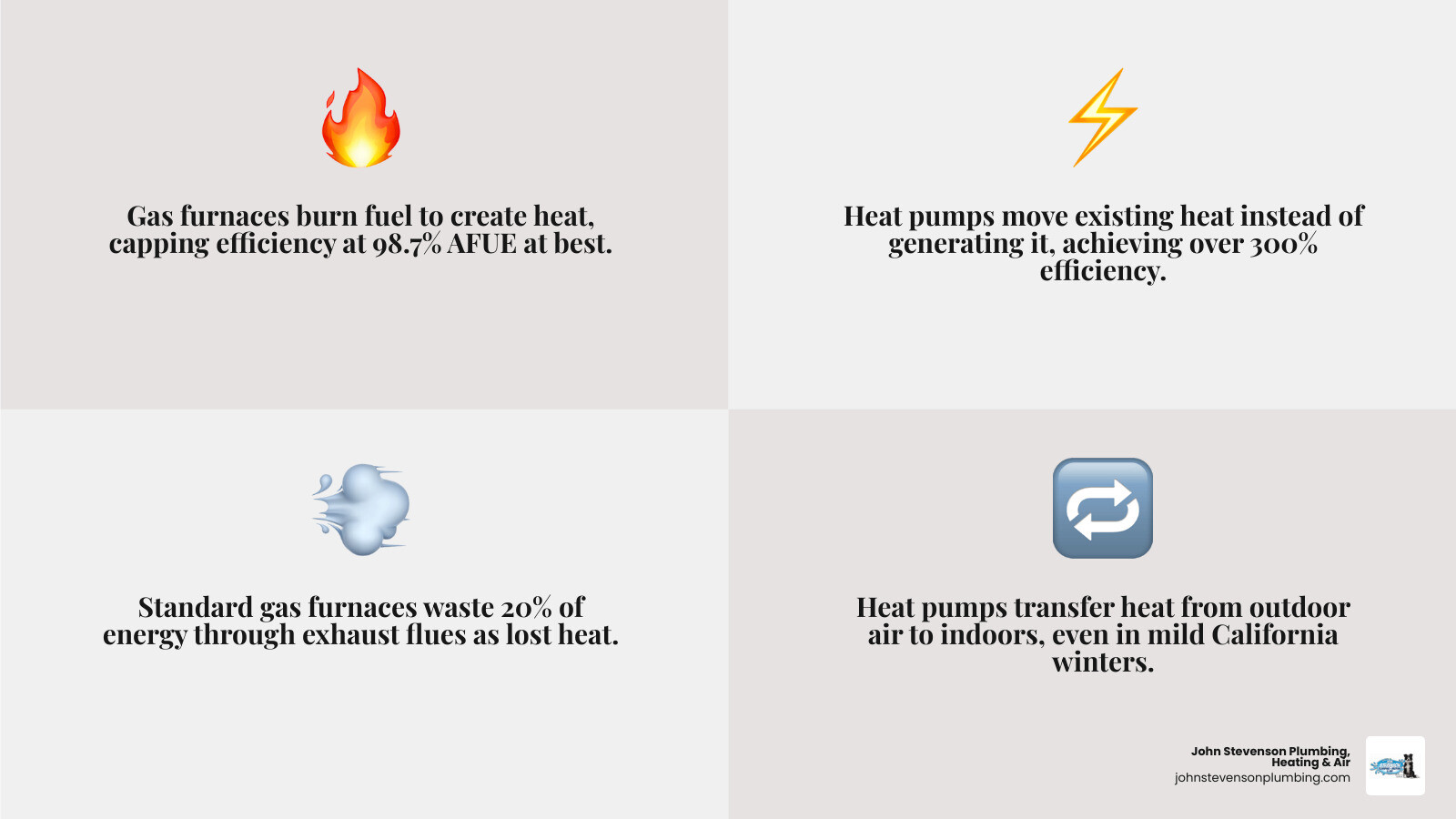
A traditional gas furnace uses combustion. When the thermostat calls for heat, the system opens a gas valve, ignites burners inside a combustion chamber, and heats a metal component called a heat exchanger. The indoor blower pulls room air over the outside of that hot exchanger, warming the air before pushing it through your ductwork. Because it must generate thermal energy from scratch by burning fuel, its efficiency is capped by the laws of physics. Even the most advanced modern condensing gas furnaces top out around 98.7% Annual Fuel Utilization Efficiency (AFUE), while standard units operate closer to 80% AFUE. That means anywhere from 1.3% to 20% of the energy consumed escapes out the exhaust flue as waste heat.
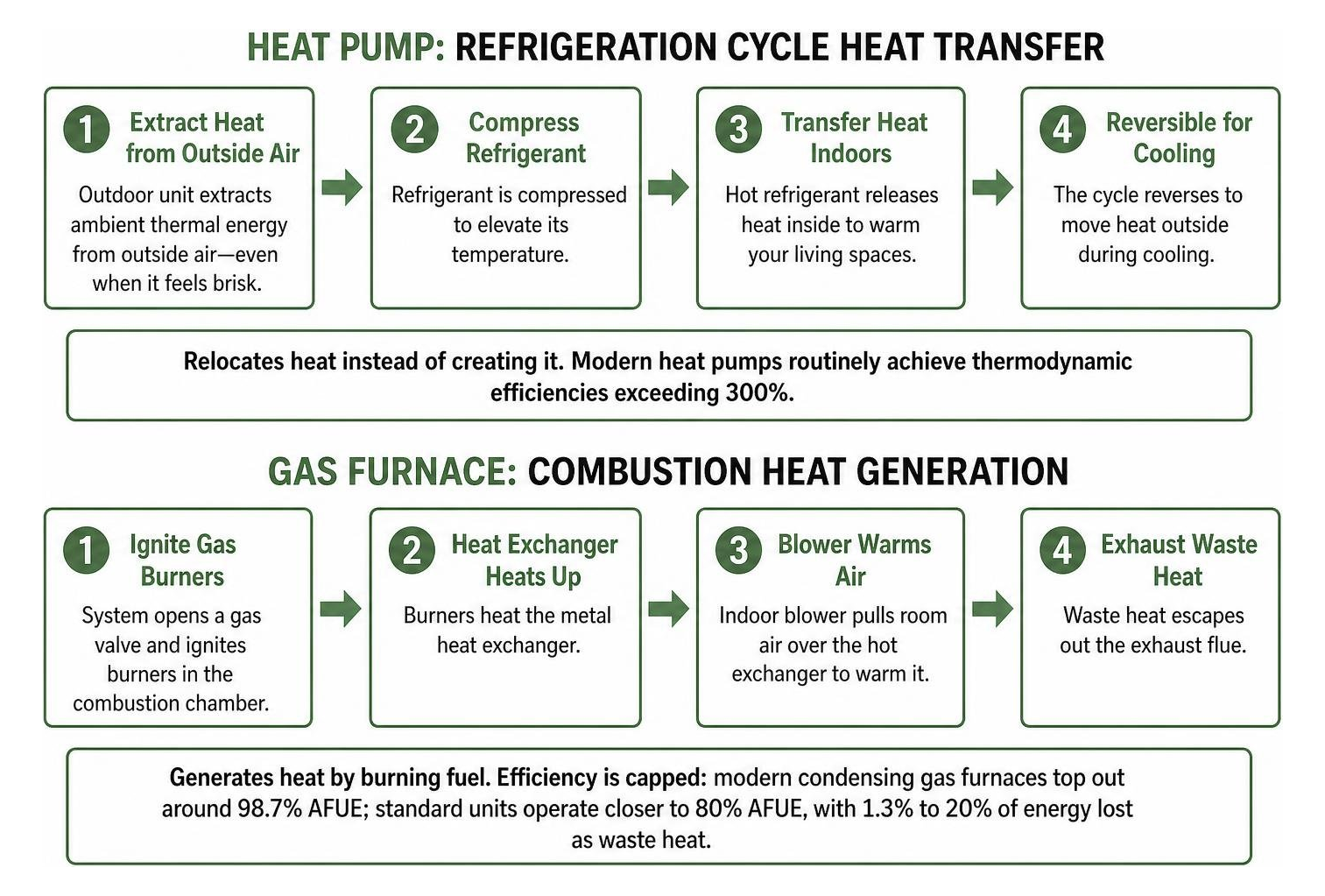
A heat pump generates no heat through combustion. Instead, it relies on thermodynamic heat transfer via a closed refrigerant loop, functioning like a reversible air conditioner. In the winter, the outdoor unit extracts ambient thermal energy from outside air—even when it feels brisk—compresses that refrigerant to elevate its temperature, and pumps it inside to warm your living spaces.
By simply relocating heat rather than creating it, modern heat pumps routinely achieve thermodynamic efficiencies exceeding 300%. Understanding the simple way a heat pump heats and cools your home clarifies why this mechanical advantage makes such a dramatic difference in coastal and inland California climates.
| Feature / Metric | Modern Air-Source Heat Pump | High-Efficiency Gas Furnace |
|---|---|---|
| Primary Energy Source | Electricity | Natural Gas or Propane |
| Operating Method | Heat Transfer (Refrigerant Cycle) | Fuel Combustion |
| Heating Efficiency Rating | HSPF2 (Up to 300%+ equivalent) | AFUE (80% to 98.7%) |
| Cooling Capability | Integrated Air Conditioning | Requires Separate A/C System |
| Carbon Monoxide Risk | None (Zero on-site combustion) | Present (Requires venting) |
| Average Expected Lifespan | 10–15 Years (Year-round operation) | 15–20 Years (Heating season only) |
Energy Efficiency Breakdown: Is a Heat Pump Better Than a Furnace in California?
Heating efficiency for electric heat pumps is commonly evaluated using the Coefficient of Performance (COP) as well as the Heating Seasonal Performance Factor (HSPF2). A system operating at a COP of 3.0 delivers three units of heat energy for every single unit of electrical energy it consumes—representing a 300% efficiency level.
When compared against baseboard heaters or traditional electric resistance furnaces, the Department of Energy notes that an air-source heat pump can reduce electricity consumption for heating by as much as 75%. While high-efficiency furnaces do an admirable job turning fuel into usable warmth, they remain bound to their fuel source. Modern inverter-driven compressor systems adjust their output in tiny increments, matching your home’s exact heating demand without the wasteful on-and-off cycling typical of single-stage gas burners. Exploring the benefits of heat pumps for homeowners highlights how this efficiency translates directly into consistent indoor comfort.
Two-in-One Heating and Cooling Functionality
One of the greatest operational advantages of a heat pump is its dual capability. Inside the outdoor unit sits a brass component known as a reversing valve. In heating mode, the valve directs high-pressure, hot refrigerant vapor to the indoor coil to warm your house. When summer arrives, the reversing valve flips the direction of the refrigerant flow. The system extracts heat from your indoor air and exhausts it outdoors, acting as a high-efficiency central air conditioner.
This dual operation eliminates the need to maintain, repair, and replace two separate mechanical units (a standalone furnace and an independent air conditioning condenser). Whether you opt for a centrally ducted platform or zone-controlled ductless mini-splits, selecting all-in-one heat pump solutions for Southern California simplifies your mechanical footprint and provides unified, year-round indoor climate management.
Comparing Installation Considerations and Long-Term Energy Dynamics
When evaluating any major HVAC upgrade, you have to look at both the initial setup requirements and the ongoing monthly utility expenses.
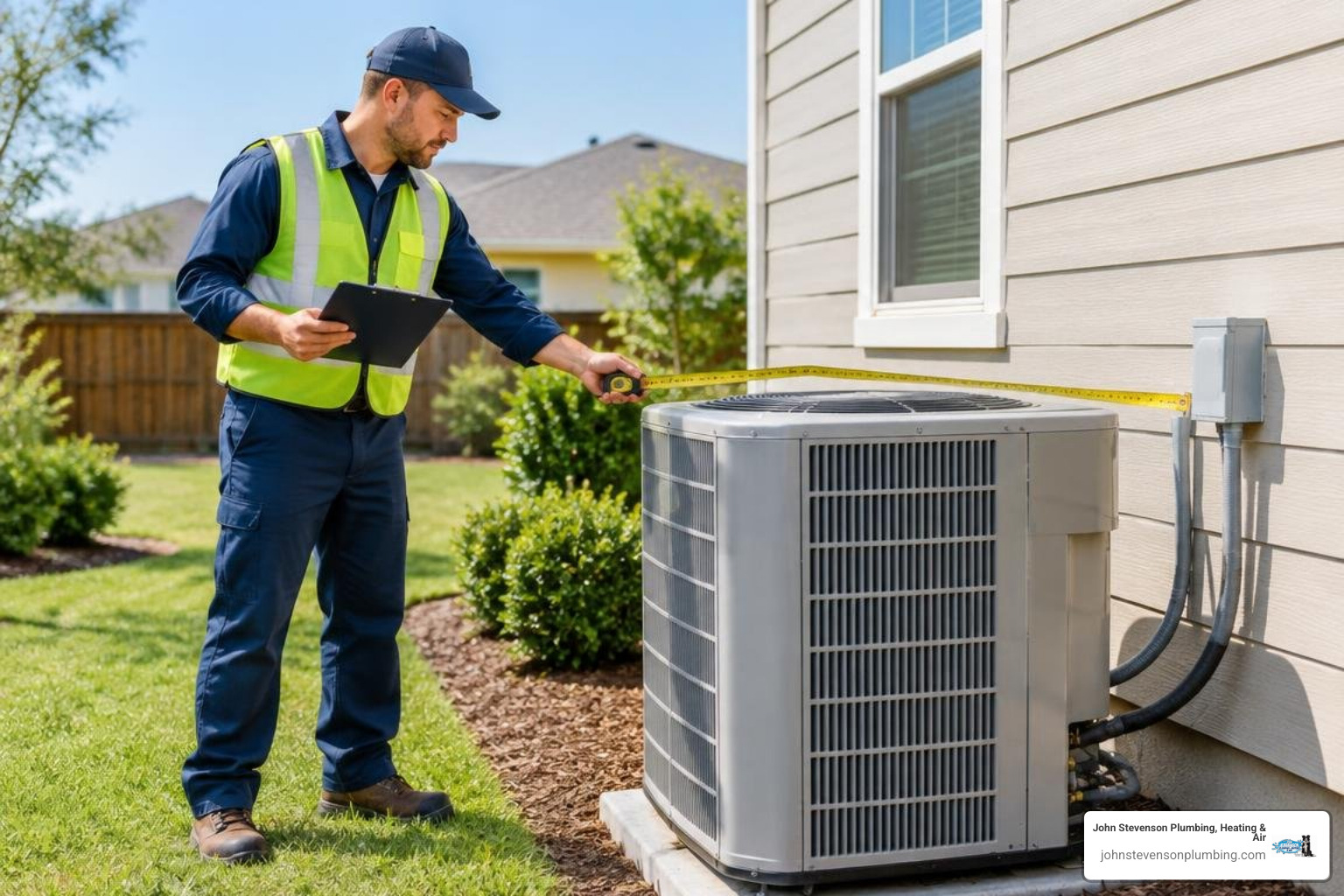
A comprehensive installation involves more than swapping physical units. Transitioning from natural gas to an all-electric setup may require assessing your electrical panel to ensure adequate amperage capacity for the compressor and indoor air handler. Ductwork sizing must also be verified; heat pumps circulate a higher volume of comfortably warm air rather than the short, intense blasts of very hot air delivered by gas furnaces. If you are converting completely, closing off or safely decommissioning old gas connections is part of the transition. Our team regularly assists homeowners switching from gas heating to a heat pump, ensuring that electrical distribution, duct static pressure, and equipment sizing are balanced for optimal performance.
California Utility Rates and Energy Dynamics
Determining whether a heat pump is better than a furnace in California strictly on an energy-use basis requires analyzing local utility rate structures. California has some of the highest residential electricity rates in the country alongside fluctuating natural gas prices.
Because electricity is priced per kilowatt-hour (kWh) and gas is priced per therm, direct energy comparisons rely on system performance. At regional average rates, a heat pump must maintain a strong seasonal coefficient of performance to break even or produce net energy savings against a modern gas furnace.
For homeowners in sunny areas like San Diego and Orange County who pair an electric heat pump with a rooftop solar photovoltaic (PV) array and home battery storage, the operational equation shifts dramatically. Supplying your heating and cooling loads with self-generated solar electricity protects against peak utility rate tiers, moving your property closer to net-zero energy use during mild winter days.
Rebates, Tax Incentives, and 2030 California Regulations
Statewide building decarbonization targets play an increasingly significant role in system selection. California environmental policies aim to phase out the retail sale of new residential gas furnaces and water heaters by 2030. To support this transition, state and local programs offer significant incentives to homeowners choosing clean heating alternatives.
Programs like TECH Clean California and specialized electrification rate schedules from regional utilities offer rebates that substantially reduce overall equipment transition hurdles. If you are upgrading your heating equipment, exploring local energy incentives in San Diego ensures you take full advantage of current rebates and qualifying efficiency credits before regional funding allocations close.
Performance, Climate Suitability, and Environmental Impact
Climate is the single most decisive factor when assessing heat pump performance. In extreme sub-zero climates, older heat pumps historically required auxiliary electric resistance heat strips, which consume significantly more energy.
Southern California’s coastal and valley communities feature a mild Mediterranean climate where winter nighttime temperatures rarely dip below 40°F. In places like Carlsbad, Encinitas, and Mission Viejo, modern air-source heat pumps operate right in their sweet spot throughout the entire heating season. They maintain high COP ratings year-round without needing backup heat strips, delivering gentle, consistent room temperatures while managing humidity during cool morning marine layers.
Carbon Emissions and Indoor Air Quality
From an environmental standpoint, heat pumps offer clear advantages over fossil-fuel systems. In field studies conducted in California residential retrofits, transitioning from a standard gas furnace to an inverter heat pump reduced combined household energy consumption by up to 25.5% and lowered heating-related carbon emissions by up to 22.3%. As California’s power grid continues to incorporate higher percentages of wind, solar, and hydro generation, the operational emissions of heat pumps trend downward automatically.
Indoor health and safety represent another major advantage. Traditional furnaces produce combustion byproducts, including carbon monoxide, nitrogen dioxide, and water vapor. A cracked heat exchanger or a blocked flue pipe can lead to hazardous backdrafting into the living space. Electric heat pumps eliminate indoor combustion entirely, removing gas leak risks and open flames from your utility closets or attics. Pairing a clean heat pump system with targeted solutions for residential indoor air quality ensures continuous, clean air filtration throughout your home.
Maintenance Requirements and Equipment Lifespan
Because a gas furnace operates only during cooler winter months, its internal components experience less total operating run-time per year, giving it a typical service lifespan of 15 to 20 years with proper upkeep. A heat pump handles both heating and cooling, meaning it operates across all four seasons. As a result, its expected operational lifespan is generally between 10 and 15 years.
Preventive maintenance schedules differ between the two systems:
- Gas Furnaces: Require an annual pre-winter tune-up focused on inspecting the heat exchanger for stress fractures, checking gas pressure, testing safety limit switches, cleaning the burner assembly, and verifying flue drafting.
- Heat Pumps: Benefit from bi-annual servicing (spring and fall). Technicians inspect refrigerant charges, evaluate electrical contacts, wash outdoor coil fins, verify reversing valve operation, and test defrost controls.
Routine filter replacements every 60 to 90 days remain essential for both platforms to protect airflow. Scheduling regular heating maintenance services protects internal components, optimizes seasonal efficiency, and preserves manufacturer warranty coverage.
Key Factors in Deciding Between a Heat Pump and a Furnace
Choosing the right heating platform requires evaluating your property’s physical characteristics, existing infrastructure, and long-term plans.
- Home Insulation & Envelope: A well-insulated home with double-pane windows retains thermal energy efficiently, allowing a heat pump to heat steadily at low compressor speeds. Drafty homes with minimal attic insulation may demand higher heating outputs during sudden cold snaps.
- Ductwork Condition: Leaky or undersized ductwork can cause significant thermal loss. Whether installing a furnace or a heat pump, sealing and insulating duct runs ensures conditioned air reaches every room.
- Natural Gas Availability: Homes in established neighborhoods with active gas meters often find furnace replacement straightforward, while properties without natural gas connections benefit immediately from whole-home heat pump installations.
- Dual-Fuel Hybrid Setups: In inland valley or high-elevation zones where winter temperatures occasionally drop near freezing, some homeowners select a dual-fuel hybrid system—combining an electric heat pump for mild days with a secondary gas furnace for rapid recovery during cold nights.
If you are considering whether upgrading your heating system in San Diego is the right move, reviewing your utility patterns alongside physical duct layout provides a clear path forward.
How to Determine Whether a Heat Pump Is Better Than a Furnace in California for Your Home
The most reliable way to select between these systems is to conduct a professional Manual J load calculation. This engineering assessment measures your home’s square footage, ceiling heights, window orientations, insulation values, and local climate data to calculate the exact heating and cooling loads required.
An accurate load calculation prevents equipment oversizing, which causes short-cycling, uneven room temperatures, and premature component wear. It also confirms whether your electrical service panel can support an all-electric system or if ductless mini-splits offer a more practical zoned solution for multi-story floor plans.
Frequently Asked Questions About California Heating Systems
Can a heat pump completely replace a furnace in colder California regions?
Yes. Modern cold-climate heat pumps feature variable-speed inverter compressors that extract heat efficiently even when ambient temperatures fall below freezing. In coastal Southern California, winter conditions stay well above these operating thresholds, allowing heat pumps to replace furnaces completely without supplemental heat sources.
What is the maintenance difference between a furnace and a heat pump?
Because heat pumps provide both heating and cooling, they require bi-annual tune-ups (once before the cooling season and once before the heating season) to check refrigerant levels, test reversing valves, and clean coils. Furnaces operate seasonally and require one comprehensive safety inspection per year to clean burners, inspect the heat exchanger, and verify proper flue venting.
Does installing a heat pump increase home resale value in California?
Modernizing your home with an energy-efficient, all-electric heating and cooling system holds strong appeal for California homebuyers. Heat pumps simplify maintenance by consolidating climate control into one modern unit, reduce home carbon footprints, and align with California’s long-term energy transition standards.
Conclusion
When weighing your heating and cooling choices, the mild climate of Southern California makes heat pumps an exceptionally practical and energy-efficient solution. By transferring thermal energy rather than burning fossil fuels, heat pumps provide precise indoor comfort, integrated summertime cooling, and zero on-site carbon emissions. While existing natural gas infrastructure and utility rates remain important considerations, pairing a heat pump with modern insulation or rooftop solar offers unmatched long-term efficiency.
At John Stevenson Plumbing, Heating & Air Conditioning, our licensed and certified technicians help you navigate every stage of your home comfort decisions across Carlsbad, San Diego County, and Orange County. We back our work with our comprehensive 5-Star Service Guarantee, featuring thorough diagnostics, transparent service details, and prompt, professional service.
Ready to discover the right comfort solution for your home? Contact us today to explore whole-home heat pump installations and services tailored to your lifestyle.