
Hard Water Is Quietly Damaging Your Plumbing Right Now
The effects of hard water on plumbing and appliances are happening in most homes — often silently, and long before anything breaks. Here is a quick summary of what hard water actually does:
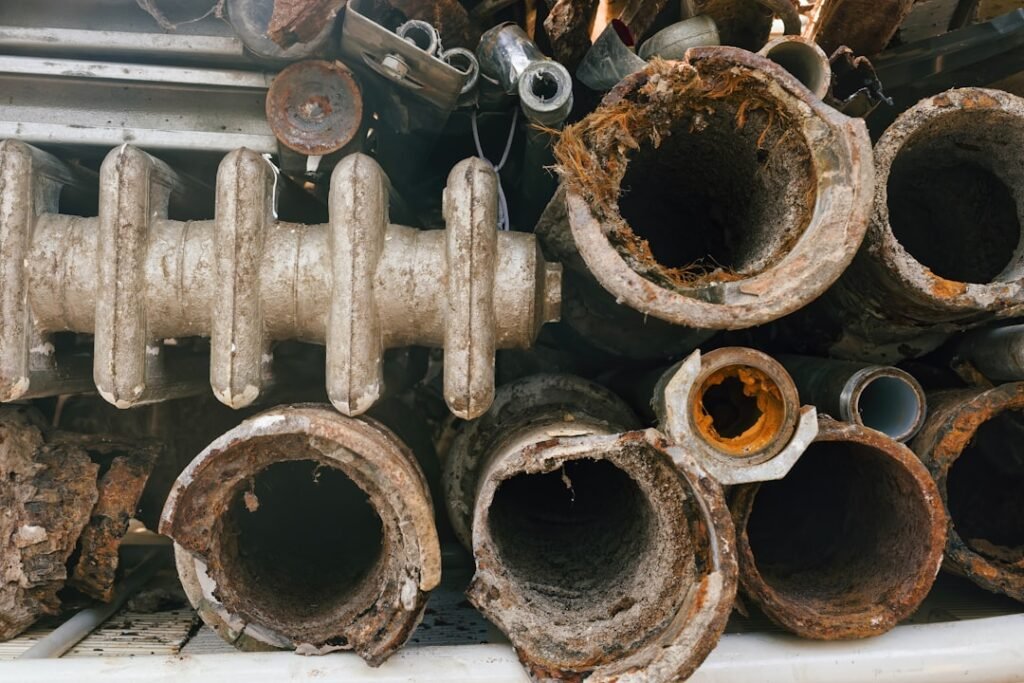
- Pipes: Mineral scale narrows the interior of pipes over time, reducing water pressure and eventually causing clogs or leaks
- Water heaters: Scale coats heating elements and acts as thermal insulation, forcing the system to work harder and cutting lifespan by up to 50–60%
- Dishwashers: Spray jets clog, heating elements scale over, and glassware comes out cloudy or spotted
- Washing machines: Pump impellers collect mineral buildup, motors wear out faster, and detergent binds with minerals to create persistent musty odors
- Faucets and showerheads: Crusty white deposits form on fixtures and restrict flow
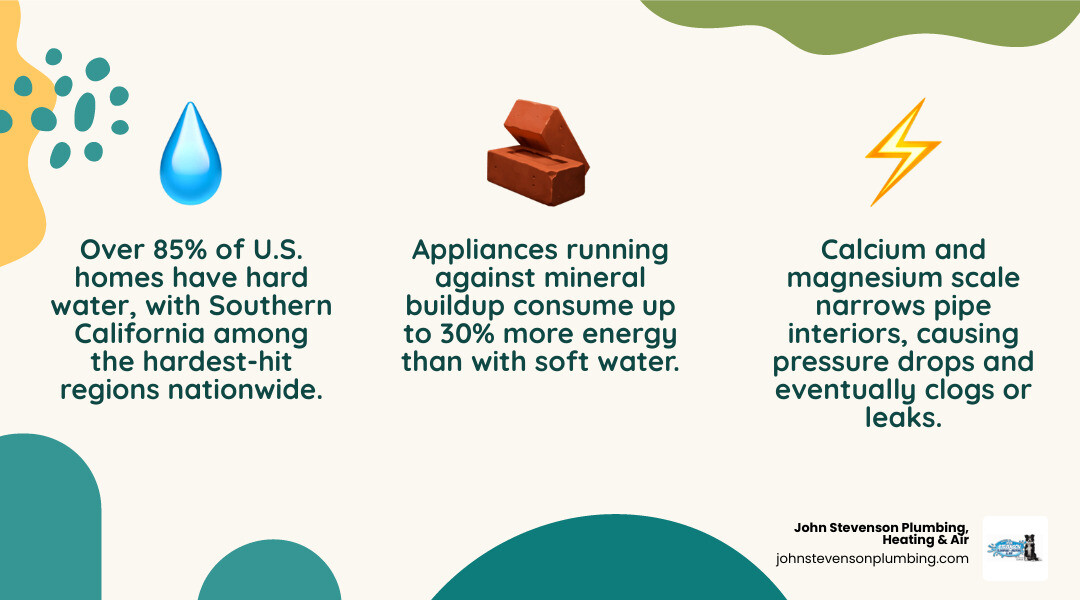
- Energy bills: Appliances running against scale buildup can consume up to 30% more energy than they would with soft water
More than 85% of homes in the United States deal with some level of hard water — and Southern California, including Carlsbad, is one of the hardest-hit regions in the country.
That chalky white crust on your kitchen faucet or the cloudy film on your glassware is not just cosmetic. It is calcium and magnesium slowly accumulating inside your pipes, your water heater, and every water-using appliance in your home. Left unchecked, the damage compounds over years, leading to premature appliance failure, expensive pipe repairs, and rising utility bills.
I’m John Stevenson, and after years of helping Carlsbad homeowners diagnose and solve water quality problems, I want to walk you through exactly what hard water does to a home — and what you can do about it.
What is Hard Water and What Causes It?
To understand how hard water damages your home, we have to look at where your water comes from. Hard water is not a municipal defect; it is a natural geological byproduct.
As rain falls and filters through the ground, it passes through layers of soil, limestone, and chalk. Because water is an excellent solvent, it dissolves and absorbs microscopic amounts of minerals along the way—primarily calcium and magnesium.
Water hardness is standardly measured in two ways: Grains per Gallon (GPG) or Parts per Million (PPM). To put these numbers into perspective:
- Soft Water: Less than 3 GPG (or less than 51 PPM)
- Moderately Hard Water: 3 to 7 GPG (51 to 120 PPM)
- Hard Water: 7 to 10 GPG (121 to 180 PPM)
- Very Hard Water: Greater than 10 GPG (over 180 PPM)
Once water hardness climbs above 12 to 13 GPG, it begins to actively degrade appliance performance. If your water exceeds 20 GPG, appliances like dishwashers can fail in as little as two years.
Here in Southern California, our water is notoriously hard. Much of our regional water supply travels through mineral-rich mountain channels and underground aquifers before reaching Carlsbad, San Diego, or Orange County. By the time it flows from your tap, it is packed with dissolved minerals.
Understanding this local dynamic is the first step toward protecting your home. For a deeper look at our local water supply, read our guide on how to Don’t Get Drained by Southern California’s Complex Water Quality Issues.
The Destructive Effects of Hard Water on Plumbing and Appliances
When hard water enters your home, it undergoes physical and chemical changes that turn dissolved minerals into solid rock. This process is called scale accumulation, and it is governed by a few specific scientific principles.
The Science of Scale: Inverse Solubility
Most solids become more soluble in water as the temperature rises (think of how easily sugar dissolves in hot tea compared to iced tea). However, calcium carbonate exhibits inverse solubility. As water temperature increases, calcium carbonate becomes less soluble.
When hard water is heated inside a water heater, dishwasher, or washing machine, the dissolved calcium and magnesium precipitate out of the liquid state and solidify.
Heterogeneous Nucleation and Under-Deposit Corrosion
These solidifying minerals do not just float around; they undergo heterogeneous nucleation, meaning they selectively crystallize on micro-rough surfaces. The metal heating elements in your appliances, the interior walls of your pipes, and polymer tubing are perfect breeding grounds for these crystals.
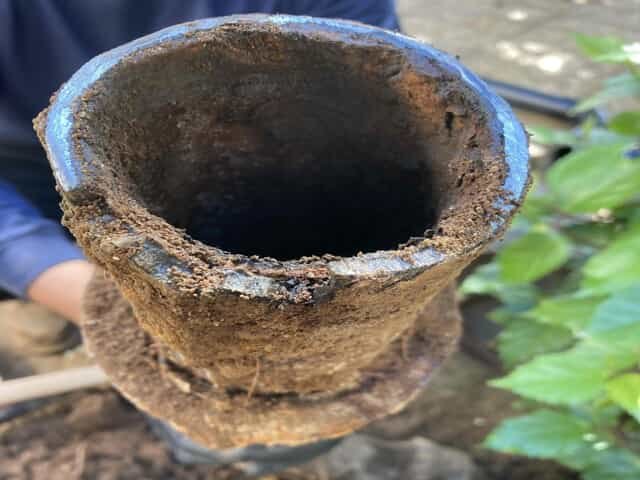
Over time, this scale forms a porous, chalky barrier. This porous structure allows water to penetrate and stagnate against the underlying metal, creating oxygen concentration cells. This triggers a process known as under-deposit corrosion, which eats away at metal surfaces beneath the scale, causing pipes and tank walls to rust and fail prematurely.
Scale Buildup vs. Corrosion
Many homeowners confuse scale buildup with corrosion, but they are two distinct forces that often work together to destroy your plumbing.
| Feature | Scale Buildup (Limescale) | Corrosion |
|---|---|---|
| Primary Cause | Precipitation of dissolved calcium and magnesium minerals. | Electrochemical reaction eating away at metal pipes and components. |
| Physical Appearance | Chalky white, grey, or greenish crusty layers. | Rust, pitting, oxidation, green/blue copper stains, or orange iron deposits. |
| Impact on Water Flow | Constricts the interior pipe diameter, reducing water pressure. | Weakens the pipe walls, eventually leading to pinhole leaks. |
| How They Interact | Porous scale traps stagnant water, triggering under-deposit corrosion. | Corrosion weakens metals, making it easier for scale to bond to rough surfaces. |
Ignoring these subtle internal changes can lead to disastrous consequences. If you want to know what to look out for before a major leak occurs, review our resource on Don’t Ignore These Warning Signs: Hidden Water Damage 101.
How Hard Water Damages Pipes and Restricts Water Flow
Your home’s plumbing system is like a network of blood vessels. When mineral scale builds up inside your pipes, it acts like arterial plaque, steadily narrowing the pathway for water.
While older galvanized steel pipes are highly prone to rapid scaling, modern materials like copper, PEX, and PVC are not immune. While PEX and PVC resist chemical corrosion better than metal, heavy limescale deposits will still crystallize on their interior walls over time, particularly at joints, bends, and valves.
As the interior diameter of your pipes shrinks:
- Water pressure drops: You will notice a gradual decline in water pressure, especially in showers and high-use faucets.
- Clogs form easily: The rough surface of limescale catches hair, soap scum, and organic debris, turning minor sediment into stubborn blockages.
- Stress on joints increases: The restricted flow forces your plumbing system to operate under higher stress, increasing the risk of joint failures and pinhole leaks.
If you are already experiencing sluggish drains or low pressure, it is important to address the root cause. Learn how to protect your drainage system by reading Stop the Clog Before It Starts. If you already have a blockage, we can help you choose the right solution in our guide, Snake or Spray: Choosing the Best Way to Clear Your Clogs.
Vulnerable Household Appliances and the Effects of Hard Water
Any appliance that heats or circulates water is highly vulnerable to hard water damage. Limescale acts as an embedded abrasive compound, scratching metallic shafts and gouging rubber seals during mechanical movement.
Understanding the Effects of Hard Water on Plumbing and Appliances in Water Heaters
Your water heater is the most vulnerable appliance in a hard-water home because it is where the highest temperatures occur, accelerating mineral precipitation.
In traditional tank-style water heaters, calcium and magnesium settle at the bottom of the tank, forming a thick layer of sandy sediment. This sediment acts as a thermal insulator between the gas burner (or electric element) and the water.
- Efficiency Loss: The heater must run longer and hotter to warm the water, which can waste up to 48% of its heating efficiency.
- Kettling Sounds: You may hear popping, rumbling, or hissing noises. This “kettling” occurs when water becomes trapped beneath the sediment layer, boils into steam, and collapses.
- Anode Rod Destruction: Hard water increases the water’s electrical conductivity, which rapidly depletes the sacrificial anode rod. Once the anode rod degrades, the water begins rusting the steel tank itself, leading to a catastrophic rupture.
In tankless water heaters, scale directly encrusts the compact copper heat exchanger. Because tankless systems rely on rapid heat transfer through narrow pathways, even a thin layer of scale can cause the unit to overheat, trigger error codes, and shut down.
To keep your system running smoothly, check out our practical tips on How to Extend the Life of Your Water Heater. If your heater is already showing signs of age, you can learn How to Diagnose a Failing Water Heater or find out How to Know When to Replace Your Water Heater.
The Effects of Hard Water on Plumbing and Appliances Like Dishwashers and Washing Machines
Dishwashers and washing machines suffer both mechanical and chemical damage from hard water.
Dishwashers
Limescale clogs the tiny spray arm jets, reducing water circulation and leaving dishes dirty. Scale also coats the heating element, increasing energy use and causing the element to burn out.
Furthermore, mineral deposits accumulate on the recirculation pump’s impeller. This extra weight creates mechanical drag, forcing the pump motor to work harder, overheat, and fail.
Washing Machines
In washing machines, hard water minerals chemically bind with laundry detergents. Instead of creating a rich, cleaning lather, the soap forms a sticky curd (soap scum) that traps dirt, lint, and body oils inside the wash tub and pump lines. This trapped organic residue leads to persistent, musty odors that are incredibly difficult to wash away.
Additionally, the abrasive mineral scale wears down internal rubber gaskets and O-rings, leading to slow, hidden leaks beneath the machine.
Early Warning Signs of Hard Water Problems in Your Home
You do not need a laboratory test to know if hard water is affecting your plumbing. Keep an eye out for these common warning signs:
- Cloudy Glassware: Dishes and glasses emerge from the dishwasher with a foggy, white film or stubborn water spots that do not wash off.
- Persistent Soap Scum: A stubborn, greyish film coats your shower walls, tub, and glass doors. This is the chemical reaction of calcium binding with soap.
- Dry Skin and Flat Hair: Hard water prevents soaps and shampoos from lathering properly and leaves a microscopic residue on your skin and hair, stripping away natural oils and causing irritation.
- Crusty Fixtures: White, yellow, or green crusty deposits build up around the aerators of your kitchen and bathroom faucets.
- The Water Bottle Test: Fill a clean plastic bottle halfway with tap water, add a few drops of liquid soap, and shake vigorously. If the water turns cloudy with very few bubbles, you have hard water. Soft water will create a thick layer of clear, long-lasting bubbles.
How to Prevent and Mitigate Hard Water Damage
The most effective way to address the effects of hard water on plumbing and appliances is to treat the water at its entry point into your home. Reactive descaling helps, but preventing mineral crystallization entirely is the gold standard.
Ion-Exchange Water Softeners
These are the most common and effective systems for high mineral levels. They use a resin tank filled with negatively charged beads that attract and trap positively charged calcium and magnesium ions.
Through a process called ion exchange, these mineral ions are replaced with tiny amounts of sodium or potassium ions. This completely eliminates the minerals responsible for scale.
Salt-Free Water Conditioners
Instead of removing minerals, salt-free systems use Template-Assisted Crystallization (TAC). This physical process alters the microscopic structure of calcium and magnesium, transforming them into stable, inactive crystals that cannot stick to metal pipes, heating elements, or fixtures.
While salt-free conditioners do not “soften” the water (the minerals are still present), they are highly effective at preventing scale buildup without adding sodium to your wastewater.
Reverse Osmosis Systems
These systems force water through a semi-permeable membrane, filtering out virtually all dissolved solids, including heavy metals, salts, and hardness minerals. Because they operate at a slower rate, reverse osmosis systems are typically installed under the kitchen sink to provide ultra-pure drinking and cooking water.
To help you decide which setup is right for your household, read our comprehensive guide on Choosing Between a Water Softener and Filtration System.
Best Practices for Removing Existing Mineral Deposits
If scale has already taken hold in your home, you can safely dissolve it using mild, organic acids:
- For Showerheads and Aerators: Unscrew the fixture and submerge it in a bowl of warm white vinegar or a citric acid solution for several hours, then scrub gently with an old toothbrush.
- For Water Heaters: Flush your traditional water heater tank every 6 to 12 months to clear out accumulated sediment. For tankless systems, circulate a food-grade citric acid or vinegar solution through the heat exchanger for at least an hour using a small utility pump to dissolve internal scaling.
- A Word of Caution: While vinegar is a great DIY remedy, avoid using harsh industrial acids on stainless steel or nickel-plated appliance components, as high acidity can corrode sensitive internal metals.
Frequently Asked Questions About Hard Water
Is hard water safe to drink?
Yes, hard water is completely safe to drink. Calcium and magnesium are essential dietary minerals, and the World Health Organization has found no adverse health risks associated with consuming hard water. However, many people find that high mineral levels give the water a chalky, heavy, or slightly metallic taste.
How often should I flush my water heater if I have hard water?
If you live in a hard water area like Carlsbad, you should flush your traditional tank water heater every 6 to 12 months. Tankless water heaters should be professionally flushed and descaled annually to prevent scale from damaging the compact heat exchanger.
Can hard water cause plumbing leaks?
Yes. While scale buildup initially restricts water flow, the porous nature of limescale allows water to stagnate against the metal walls of copper or steel pipes. This creates oxygen concentration cells that trigger under-deposit corrosion, which eventually eats through the pipe wall and causes pinhole leaks.
Protect Your Carlsbad Home with Professional Water Quality Solutions
The effects of hard water on plumbing and appliances can quietly cost you thousands of dollars in premature replacements, high energy bills, and plumbing repairs. Fortunately, you do not have to accept hard water as an unavoidable part of living in Southern California.
At John Stevenson Plumbing, Heating & Air Conditioning, we have spent years helping homeowners throughout Carlsbad, San Diego County, and Orange County protect their plumbing systems. Our certified technicians offer thorough water diagnostics, upfront pricing, and our signature 5-Star Service Guarantee to ensure you get the perfect water treatment system for your home’s unique needs.
Ready to protect your appliances and restore your water pressure? Discover how we can help by exploring our John Stevenson Plumbing Water Quality Solutions today!